
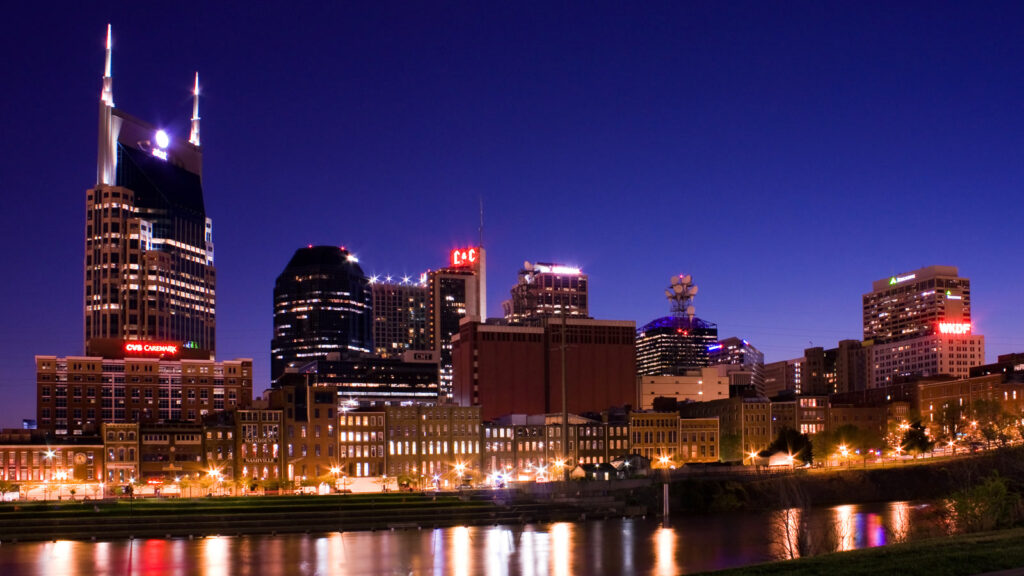
Nashville is the easiest American city to plan badly in three days. Most first-timers stack five museums into one day, pay for all of them, and miss the music they came for. This nashville itinerary takes the opposite approach: one cluster a day, downtown on foot, and two bookings made before you land. Day one is downtown: the Hall of Fame, the Ryman and Broadway. Day two is Music Row, hot chicken and the Parthenon. Day three is the Opry — or Franklin and the Natchez Trace. You do not need a car for the first two days, and every price and hour below was checked in November 2026.
The downtown rule: everything is six minutes apart
Downtown Nashville is small, and that is the whole plan. The Hall of Fame, the Ryman, the Johnny Cash Museum and Lower Broadway all sit within a few minutes of each other on foot — no walk between them is longer than seven minutes. This nashville itinerary never sends you across town for a single stop: each day stays in one cluster.
The trap is treating every famous place as a separate mission. The museums each sell their own ticket, so three of them run close to $100 a person before tax. Pick the rooms that matter, and let the free half of the city — the bridge, the park, the State Museum, the Capitol — fill the gaps.
Day 1: Broadway, the Ryman and the Hall of Fame
Start at the Country Music Hall of Fame and Museum, at 222 Rep. John Lewis Way South, when it opens at 9 AM. Admission is $31.95 for adults 13 and over, $21.95 for youth 6 to 12, and free under 6. It is open daily 9 AM to 5 PM, entry is by timed ticket, and most visitors spend about two hours inside. The peak crowd runs 10 AM to 2 PM, so book the opening slot online and skip the door queue.
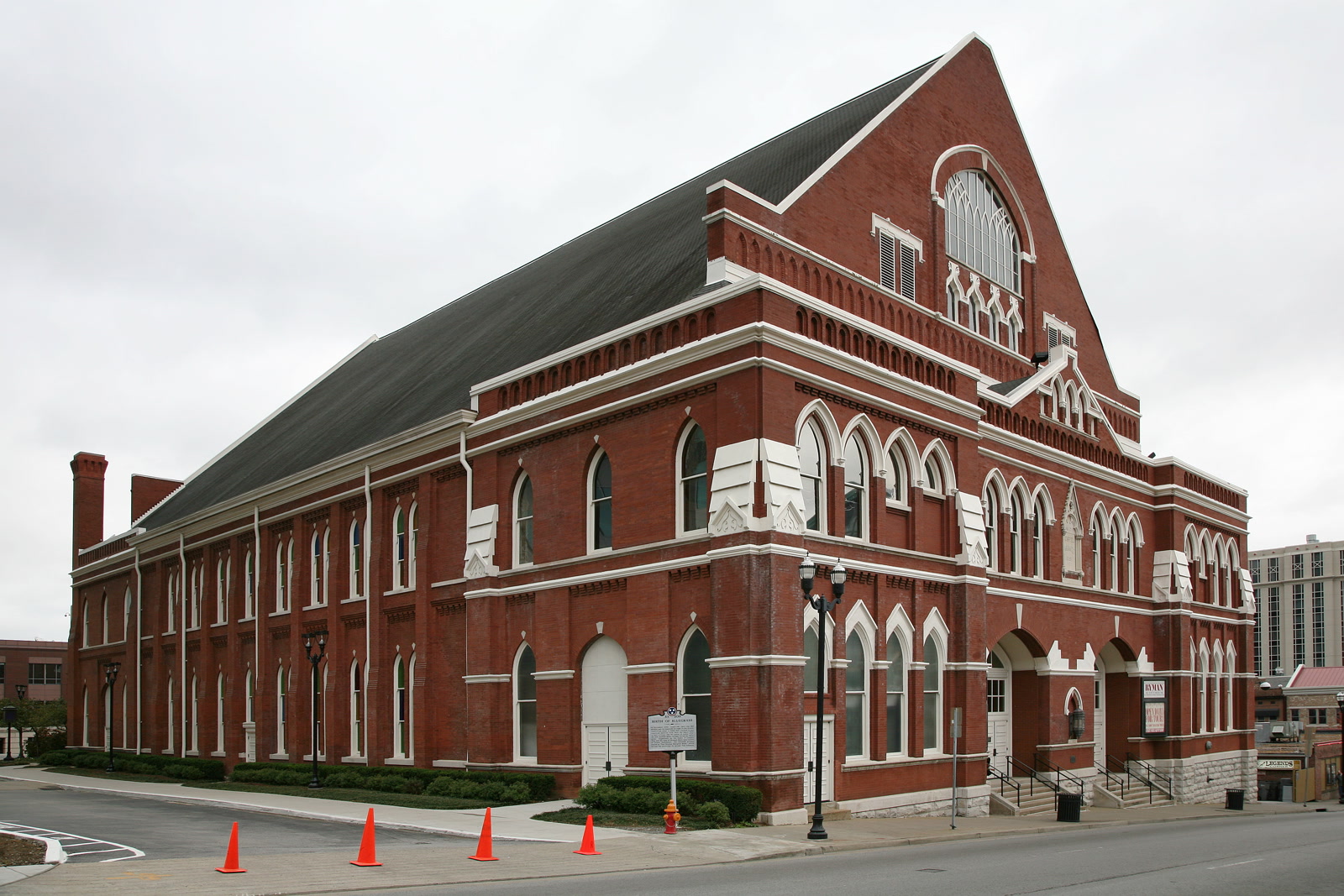
From the museum, walk two blocks to the Ryman Auditorium, at 116 Rep. John Lewis Way North. It opened in 1892 as the Union Gospel Tabernacle and was home to the Grand Ole Opry from 1943 to 1974 — hence the Mother Church of Country Music. The self-guided tour costs $25 plus tax this fall, valid through November 30, 2026, and children 12 and under go free with a paid adult. The guided backstage tour is $42.52 plus tax. Tours run daily 9 AM to 4 PM; show setups can shorten hours, so check the calendar that morning.
The afternoon belongs to the Johnny Cash Museum, at 119 3rd Ave South, a block off Broadway. Admission is $32.95 plus tax for adults, $28.95 for youth 6 to 15, and free under 5. It is open daily from 9 AM to 7 PM, closed only on Thanksgiving and Christmas, so it is the natural late stop. One thing older guides get wrong: the Patsy Cline Museum upstairs closed on May 15, 2025.
End the day on Lower Broadway, where the honky-tonks are free to enter and the bands play for tips. Walk it once, early in the evening, and listen from the doorway first. Robert’s Western World is the classic: live music all day, boots for sale on the wall. Then cross the free John Seigenthaler Pedestrian Bridge for the best skyline view back across the Cumberland at sunset.
Day 2: Music Row, hot chicken and the Parthenon
Day two starts on Music Row, the streets of labels and studios where the country music industry still works. This is a walk, not a ticket: the buildings are the attraction, and most are not open to the public. The one door that is open is RCA Studio B, where Elvis, Dolly Parton and the Everly Brothers recorded. The tour costs $23, can only be booked through the Hall of Fame, and runs by shuttle from the museum — the second of the two bookings that decide the trip.
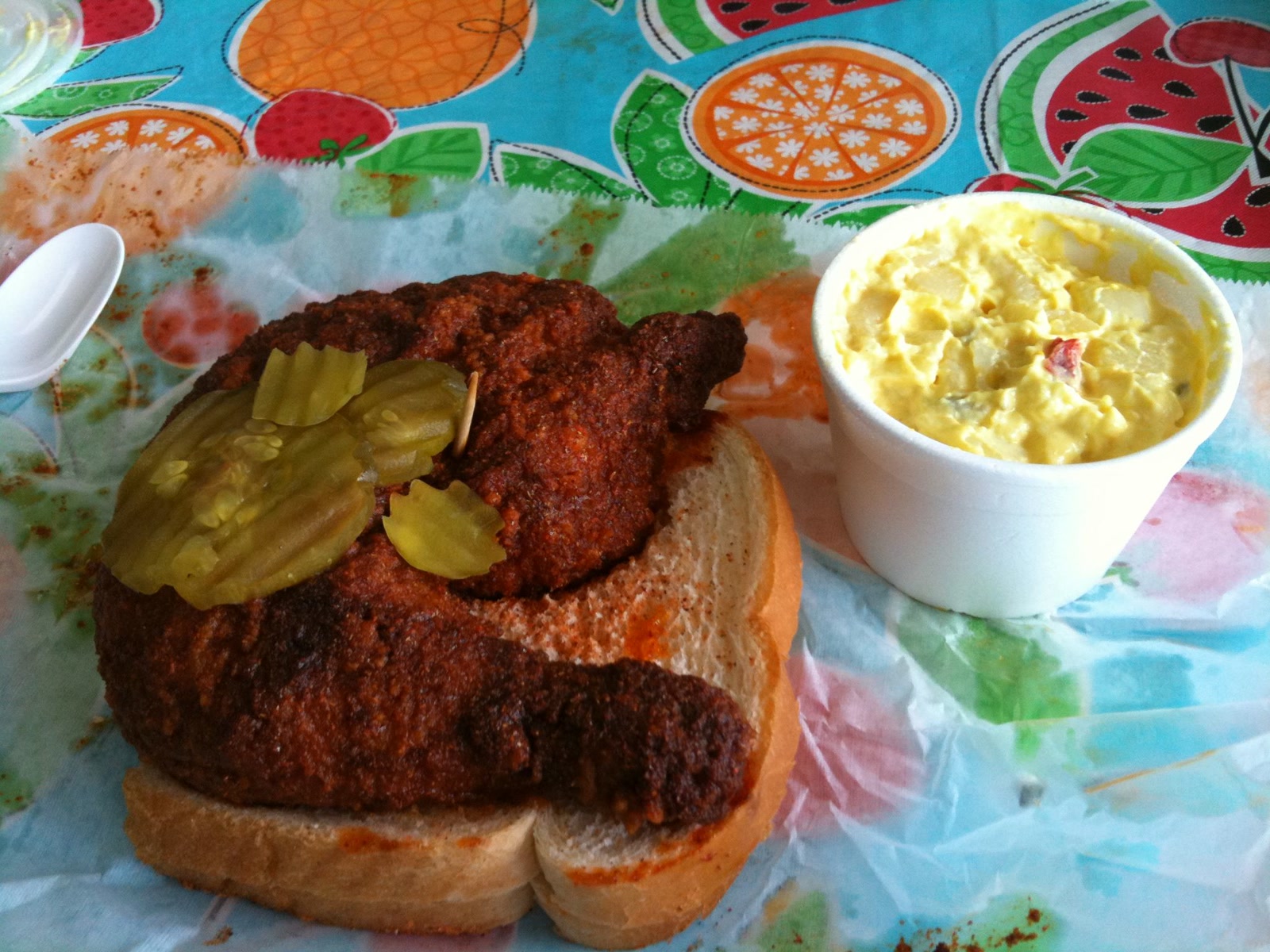
Lunch is hot chicken, and the order matters more than the restaurant. Hattie B’s, which opened in 2012 and popularized the dish far beyond Nashville, runs a heat scale with names, not numbers: Southern, Mild, Medium, Hot, Damn Hot, and Shut the Cluck Up. Order medium on a first visit: even that carries real heat, and mild here tastes like medium anywhere else. A sandwich runs about $14, the chicken is fried to order, and the weekend line is substantial. The original is Prince’s Hot Chicken Shack, where the dish was invented, and the plate still arrives the old way: cayenne-coated chicken on white bread with pickles.
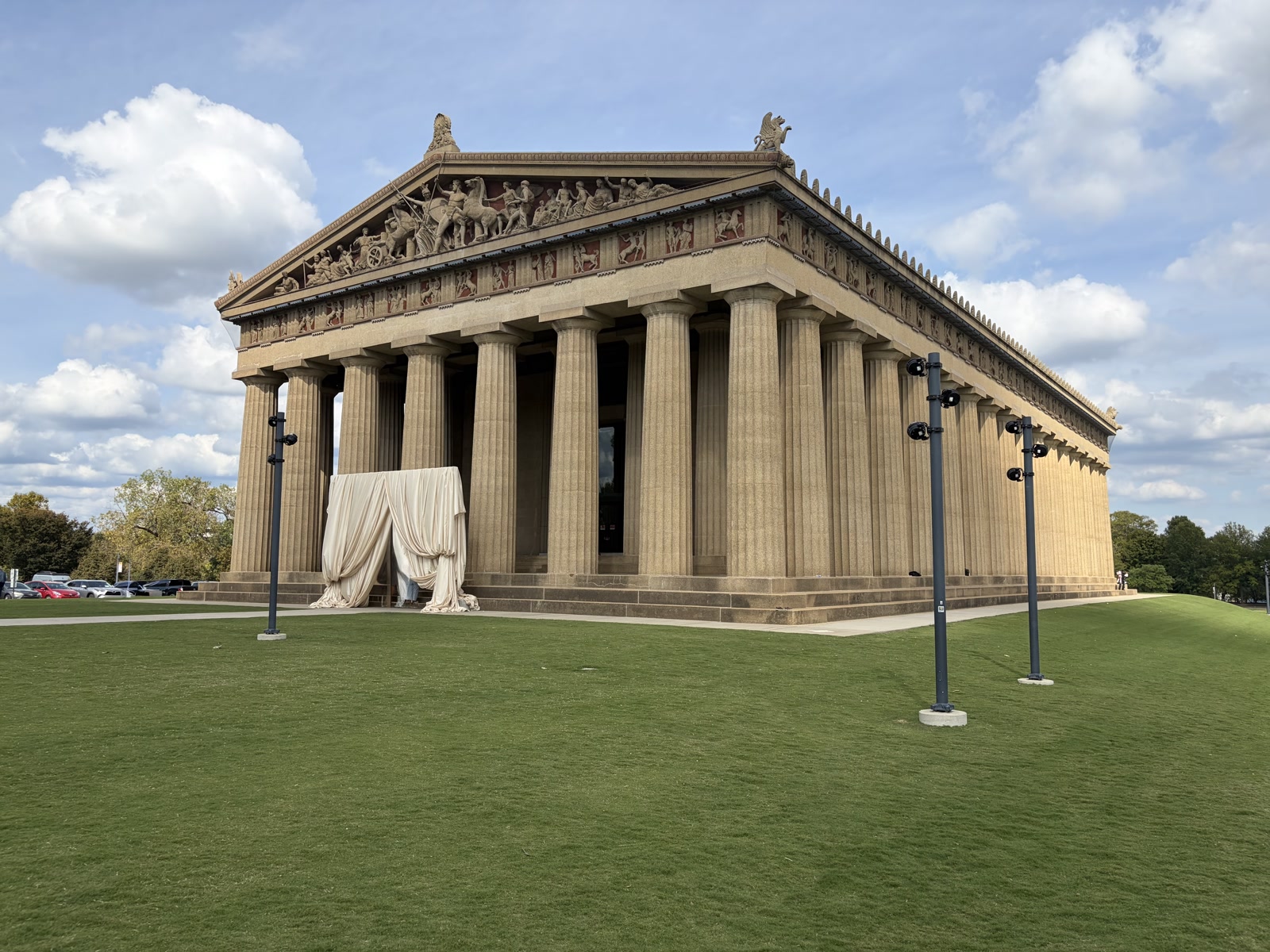
After lunch, ride out to Centennial Park and the Parthenon, at 2500 West End Avenue. It is a full-scale replica of the Athenian original, built for the 1897 Tennessee Centennial Exposition, and the 42-foot gilded Athena inside is the focus of the building, as in ancient Greece. Admission is $15 for adults, $10 for seniors 62 and over and youth 4 to 17, and free under 4. Tickets are sold at the door only — no online general admission — so bring a card and expect a queue. Hours change by day, generally 9 AM to 4:30 PM, Sundays from 12:30 PM, so check the hours page that morning. The park around it is free.
The late afternoon is the free half of the city. The Tennessee State Museum, at 1000 Rosa L. Parks Boulevard beside the Farmers Market, is free, open Tuesday to Saturday 10 AM to 5 PM and Sunday 1 to 5 PM, and closed on Mondays — the closure is the trap, so never put it on a Monday. Then walk to the Tennessee State Capitol, at 600 Dr. M.L.K. Jr. Boulevard, where free 45-minute tours run weekdays at 9, 10 and 11 AM and 1, 2 and 3 PM, first come first served from the first-floor desk.
Day 3: the Opry — or Franklin and the Natchez Trace
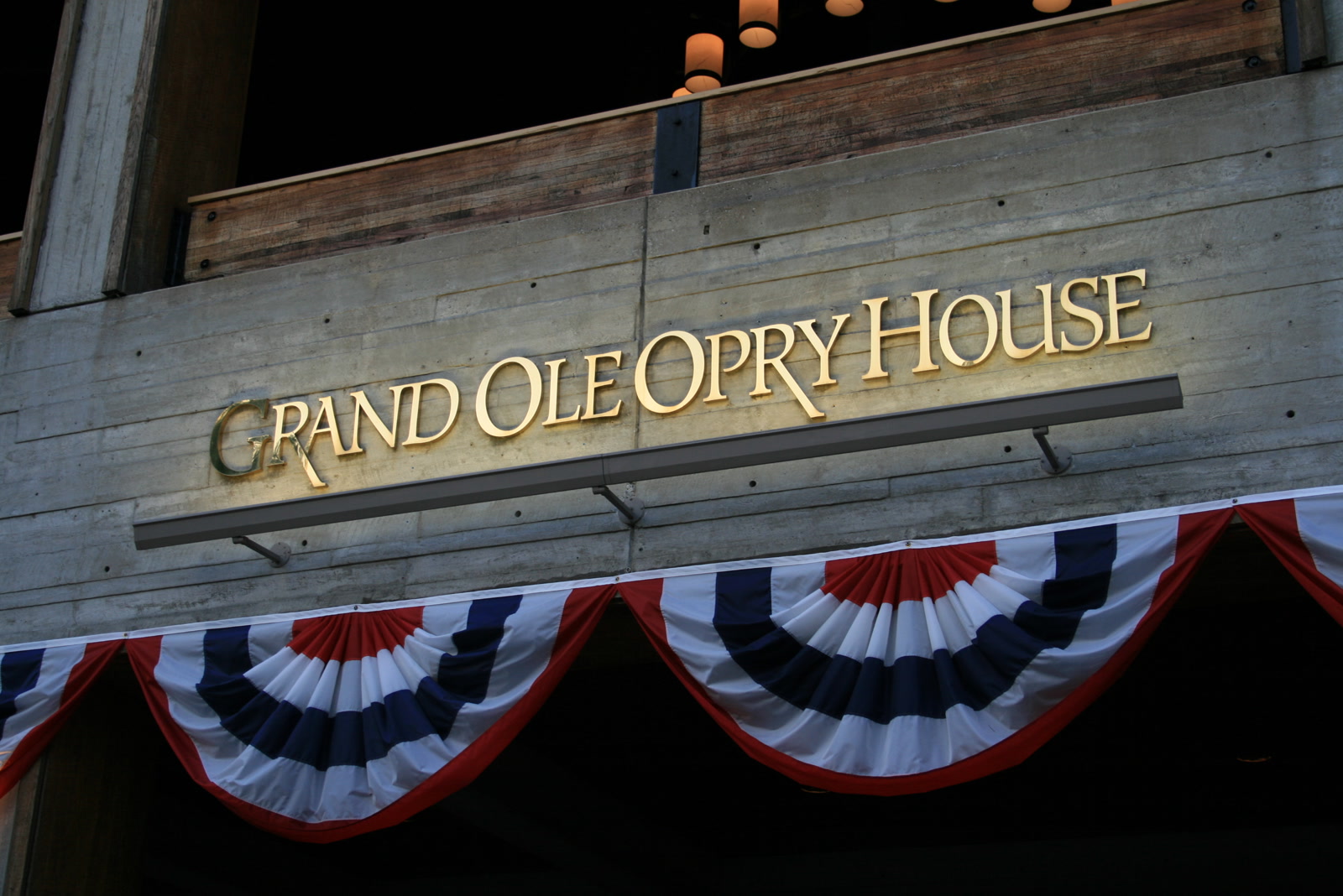
Day three is a choice, and the calendar makes it. The Grand Ole Opry began in 1925 and is the longest-running radio broadcast in the United States, and 2026 is its centennial year, Opry 100. Shows run Tuesday, Friday and Saturday at 7 PM, with extra shows in the April-to-October peak. Tickets start from about $49, vary sharply by date and seat, and the popular shows sell out weeks ahead. The Opry House is at 600 Opry Mills Drive, east of downtown, and the guided backstage tour costs about $47 and runs daily. From November through January, some shows move back to the Ryman downtown for the winter residency, so check your date’s venue before you book a ride.
The other day three is Franklin, 21 miles south and a 30 to 40 minute drive down I-65. Its Main Street is one of the best-preserved 19th-century commercial districts in Tennessee, and the Carter House is the Civil War site to see, from the Battle of Franklin in November 1864. From Franklin, the Natchez Trace Parkway runs 444 miles southwest to Natchez, Mississippi; the first 30 miles pass through hardwood forest with no trucks and no billboards — a morning drive, back by early afternoon. Belle Meade, at 110 Leake Avenue, is the third option: a 30-acre former thoroughbred farm, open daily 9 to 5, wine tasting in the ticket. Take the Opry when there is a show on your night, Franklin when there is not. Do not try both: the Opry is an evening, Franklin is a day, and stacking them is how day three falls apart.
The two bookings that decide the trip (Opry, Studio B)
Only two things in this nashville itinerary need booking before you land, and both sell out. First, the Grand Ole Opry show: popular dates are booked on average about two months ahead, and the Saturday shows with marquee names go first. Let the show night set the shape of your three days. If your dates fall on a Monday or Wednesday outside peak season, there may be no show at all, and Franklin becomes the plan. Second, the RCA Studio B tour: it can only be booked through the Hall of Fame, runs by shuttle from the museum, and the $23 add-on sells out with the museum’s timed tickets. Book the Hall of Fame ticket and the Studio B add-on together. Everything else can wait until you arrive.
Getting around: walking downtown, WeGo and the car day
You do not need a car for the first two days. Downtown is walkable, the clusters are the plan, and parking costs more than the bus. WeGo runs the local buses: $2 buys a two-hour pass on QuickTicket or a contactless card, and the same payment method caps at $4 a day. Cash buys one ride only, with no transfer and no change, so tap a card instead. The airport bus is WeGo Route 18, from BNA’s Ground Transportation Center to WeGo Central downtown. The fare is $2 each way; express trips take about 20 minutes, local 35 to 45, and buses run about every 30 minutes from 6 AM to 6 PM, seven days a week, with no overnight service. The airport sits about 8 miles southeast of downtown, a 15 to 20 minute rideshare.
Day three is the car day, and only day three. The Opry House is about 20 minutes east by rideshare, and Franklin is a 30 to 40 minute drive down I-65, so rent a car for the day or take a rideshare. If Franklin is the plan, leave before the morning rush: the 21 miles can take 30 minutes or 75, and the slow direction in the morning is south.
Where to stay: downtown or 12 South
Stay downtown or in 12 South, and the whole plan works on foot and by bus. Downtown puts you a short walk from Broadway, the Hall of Fame and the Ryman, and the blocks off Broadway are quieter at night. 12 South is the calmer choice: a walkable strip of murals, cafes and shops south of downtown, with quieter nights and a short rideshare back to Broadway.
Avoid staying near the airport to save money: the savings go into rideshares, and you lose the evenings. Book early for CMA Fest, June 10 to 13, 2027, with nightly concerts at the new Nissan Stadium — hotel prices that week are the highest of the year. The best months are April to May and September to October. Summer is cheaper but hot, with highs regularly over 90 degrees, and winter is the cheapest season of all.
What to book first
Book in this order. First, the Grand Ole Opry show, as soon as your dates are fixed — it decides whether day three is the Opry or Franklin. Second, the Hall of Fame timed ticket with the Studio B add-on, in one purchase. Third, the Ryman tour slot, which sells out on busy weekends. Fourth, the hotel, especially if your dates touch CMA Fest week. Fifth, the car, and only for day three, if Franklin or the Trace is the plan. Everything else can wait: the Parthenon sells tickets at the door, the State Museum and the Capitol are free and walk-in, and the hot chicken line is just a line.
FAQ
Is 3 days enough for Nashville?
Yes, for a first trip. This nashville itinerary covers downtown, Music Row, the Parthenon and the Opry or Franklin, with one cluster a day and two bookings made ahead. A fourth day adds East Nashville, the Gulch and Germantown.
Do I need a car in Nashville?
No, not for the first two days. Downtown, Music Row and the Parthenon are all reachable on foot and by WeGo bus, and the airport bus costs $2. You need a car, or a rideshare, only on day three, for the Opry or Franklin.
What is the best time of year to visit Nashville?
April to May and September to October, when the weather is warm and the crowds are thinner. Summer is hot and humid, with highs regularly over 90 degrees; winter is the cheapest season.
How much does a 3-day trip to Nashville cost?
The paid anchors are the Hall of Fame at $31.95, the Ryman tour at $25, the Parthenon at $15, the Cash Museum at $32.95 and the Opry show from about $49 — roughly $154 a person for all five, before food and transport. Add the $4 daily WeGo cap, a $2 airport bus each way, and hot chicken at about $14 a sandwich.
The Short Version
This nashville itinerary works when you plan by cluster and book two things ahead. Day one is downtown on foot: the Hall of Fame, the Ryman, the Cash Museum and Broadway at night. Day two is Music Row and Studio B, hot chicken for lunch, the Parthenon, and the free museums to finish. Day three is the Opry if there is a show, or Franklin and the Natchez Trace if there is not. Walk downtown, ride the bus, stay downtown or in 12 South, and book the Opry first.