
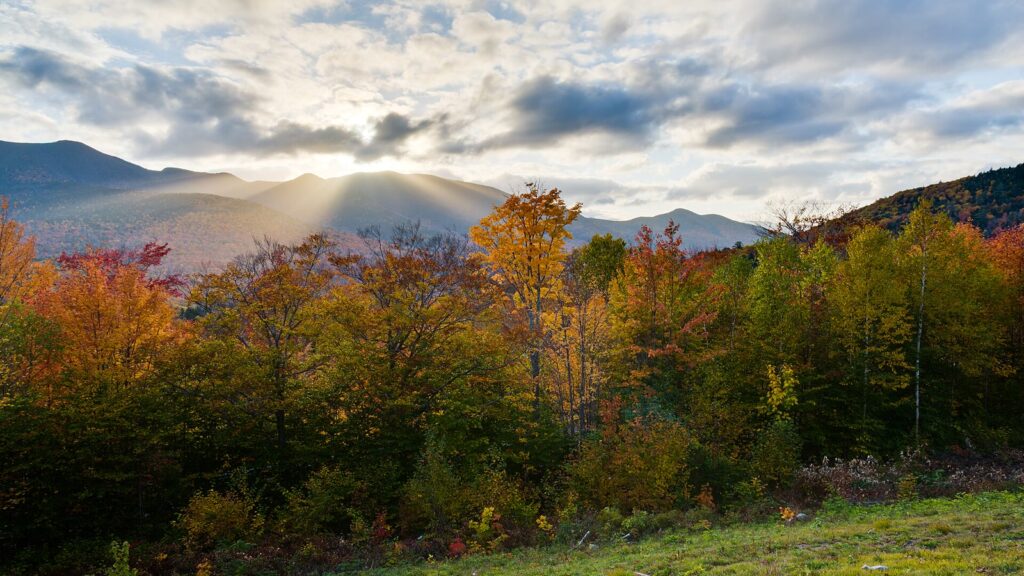
If you are looking for a good time to visit USA, here is the honest short answer: late spring and early autumn suit most trips. April and May bring mild weather to most of the country, and September and October bring the same mild weather back, with thinner crowds and the best colour of the year in New England. That is the consensus across just about every guide written on the subject, and it is right — for most trips.
But the USA is not one place with one climate, and the “best month” changes completely with the trip you are planning. A good time to visit the USA for a Florida beach week is the opposite of a good time for Yellowstone. The desert’s best months are the months when the northern parks are still snowed in. So this guide answers by trip type, not by a month table: the best months first, then one section per season that says who it suits and what breaks it, then the three exceptions that flip the whole answer.
Short Version: The Best Months for Most Trips
| Trip type | Best months | What to watch |
|---|---|---|
| First trip, cities and the classic sights | April–May, September–October | Book spring blossom weeks early; autumn overlaps hurricane season in Florida |
| National parks (Grand Canyon, Yellowstone) | Late May–September | Park roads close in winter; the full Yellowstone loop is not open until late May |
| New England foliage | Late September–late October | Colour moves north to south; the mid-October long weekend is the busiest of the year |
| Florida and the Gulf Coast | December–April | August–October is peak hurricane season; winter is Florida’s own high season |
| Desert Southwest (Grand Canyon, Las Vegas, Utah) | March–May, September–November | Summer in the low desert is dangerously hot |
| Ski trip (Colorado, Wyoming) | Late November–early April | Resort dates vary; check before booking |
| Cheapest overall window | January–February (outside the winter holidays) | Florida, Hawaii and the desert are in high season then — there is no single cheap month |
If you only remember one line, make it this: pick the month that fits your trip, not the month that fits the country.
Why There Is No Single Best Month
The USA spans six time zones and every climate from tropical Florida to subarctic Alaska, so any guide that names one best month is really naming the best month for one kind of trip. April is lovely in Washington DC and New York, but Yellowstone’s high passes are still under snow. October is perfect in the Grand Canyon and glorious in New England, but it is also the peak of hurricane season on the Gulf Coast. January is the quietest month in the Northeast and Midwest — and the busiest month in Miami.
The other problem is that the “best” month is often the month everyone else picked too. Cherry blossom week in Washington draws crowds that fill the Tidal Basin at dawn. The two weeks of peak foliage in New England fill every inn within an hour of the White Mountains. July in Yellowstone is wonderful and also the month when the park’s roads carry their heaviest traffic of the year. A good month on paper can be a bad week in practice, and the difference is usually one weekend or one school holiday.
So the useful question is not “when is the USA best?” but “when is my trip best?” The four seasons below answer that question honestly — what each season gives you, and what it takes away.
Spring: The Easy Answer (and Its One Catch)
Spring is the easiest recommendation in this guide, and the one with the smallest catch. From April into May, most of the country sits in the mild middle: warm enough for walking cities and hiking low trails, cool enough that the summer crowds have not arrived, and green in a way the rest of the year is not. City trips are at their best — New York, Washington, Chicago, San Francisco — and the national parks of the Southwest are waking up without the summer heat. If your trip has no special season attached to it, spring is the safe pick.
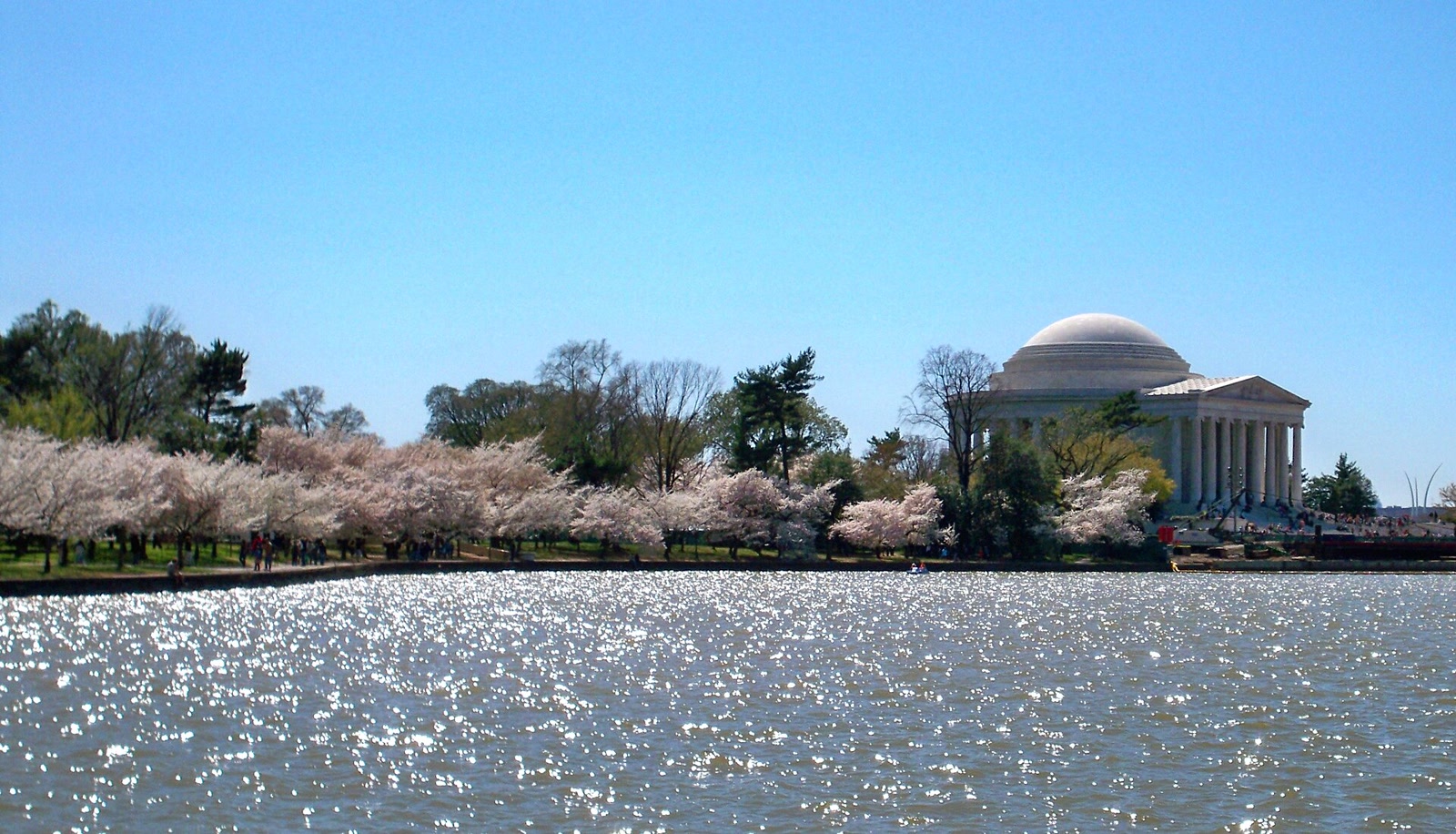
The one event that defines spring travel is the cherry blossom in Washington DC. Peak bloom — the day 70 percent of the Yoshino trees around the Tidal Basin are open — typically falls in late March or early April, and the National Park Service announces its forecast each year, usually only reliable about ten days out. The 2027 National Cherry Blossom Festival runs from March 20 to April 11, which brackets the likely bloom, but the bloom itself lasts only a few days to a week once it peaks, and wind or heavy rain can strip the petals fast. Book refundable travel for the last week of March, watch the Park Service’s Bloom Watch page from late February, and shift your dates once the forecast firms up.
The catch is that spring is also the season when the mountain parks are still closed. Yellowstone’s interior roads do not fully open until late May, and the high passes can hold snow well into June in a heavy year. The Grand Canyon’s North Rim does not open until mid-May. If your spring trip is built around the northern parks, you are a month early — go in late May instead. For everything else, April and May are the months with the fewest regrets attached.
Autumn: Foliage, Empty Trails and the Best All-Round Bet
If spring is the easy answer, autumn is the best one. September and October give you the mild weather of spring with thinner crowds, lower demand in most places, and — in New England — the single most beautiful two weeks in the American calendar. The trails empty out after Labour Day, the summer heat breaks across the South and the desert, and the national parks settle into their calmest, clearest weeks. For a first trip with no fixed event, early autumn is the month this guide would pick.
The foliage is the main event, and it rewards planning more than any other season in this guide. Colour moves from north to south and from high ground to low: the highlands of northern Vermont, New Hampshire and Maine turn first, in late September to early October; central Vermont, New Hampshire and inland Maine follow in the first two weeks of October, which is the safest single bet if you can only pick one window; southern New England and the coast turn last, in mid to late October. The timing shifts a week or so every year with the weather, so check the state foliage reports in the week before you go rather than trusting a date you read in spring.
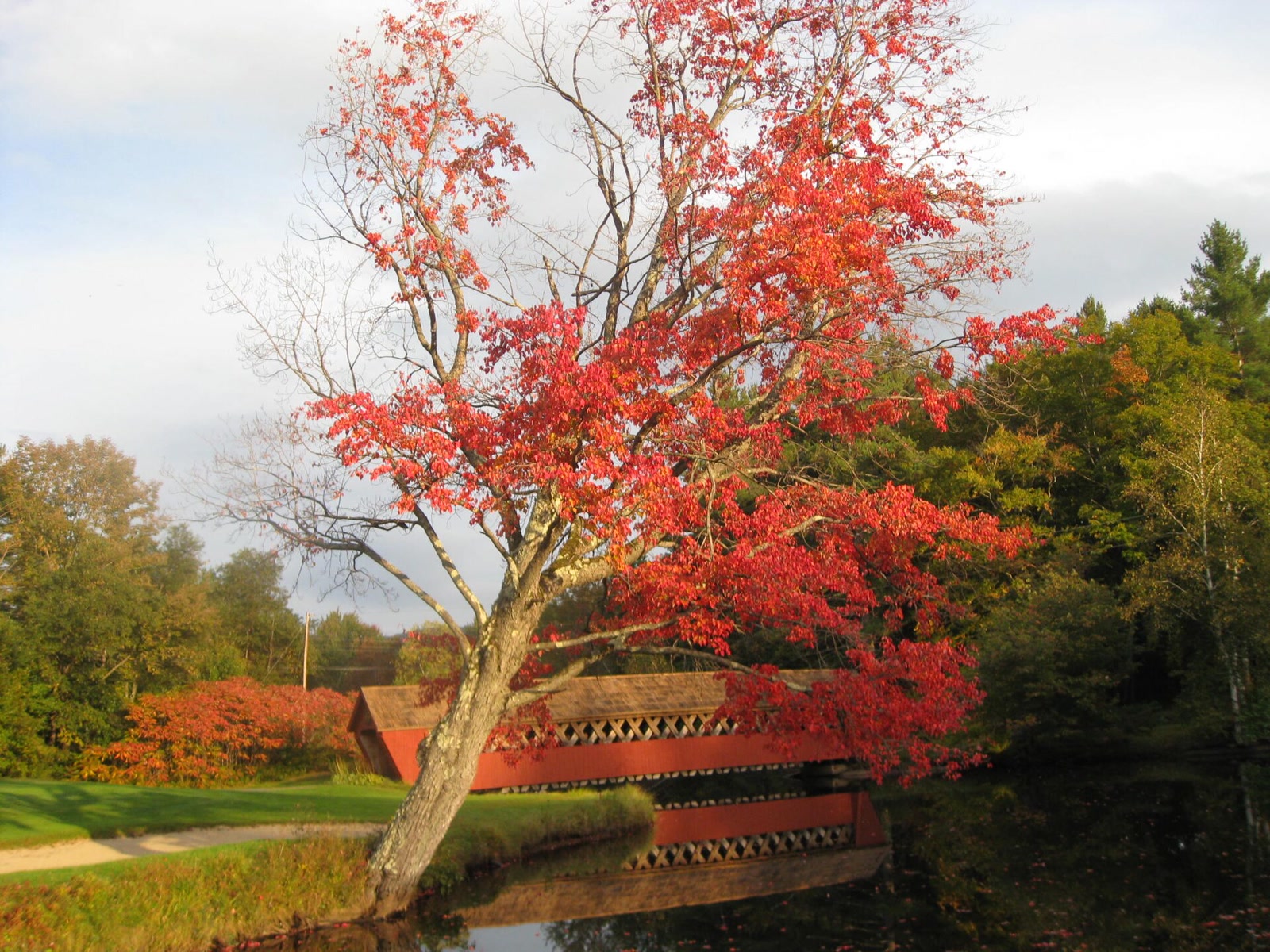
The one weekend to avoid is the mid-October long weekend — the Columbus Day and Indigenous Peoples’ Day holiday — which is the single busiest foliage weekend of the year. Inns book out months ahead and the scenic byways crawl. Go the weekend before or after and you will see the same colour with half the company. And remember that autumn’s other catch sits on the coast: the best autumn window overlaps hurricane season in Florida and the Gulf, which runs from June 1 to November 30 with most activity between mid-August and mid-October. An October beach trip in Florida is a gamble in a way an October trip to New England is not.
Summer: When It Is Worth the Crowds
Summer is the season every guide warns you about and every family still chooses, and both are right. June, July and August bring the warmest weather, the longest days and the fullest version of the country: every park road open, every trail accessible, every town in season. They also bring the biggest crowds, the highest demand and the hottest weather — and in the low desert, heat that is genuinely dangerous rather than merely uncomfortable.
The case for summer is strongest in the northern parks, because summer is the only season when they are fully open. Yellowstone’s interior roads close to regular cars from early November until spring, and the full loop is usually only complete by late May, so the window for a proper Yellowstone trip runs from late May to September. September is the pick inside that window for many travellers: the roads are still open, the crowds have thinned, and the elk rut is under way. The one road that stays open all year is the northern stretch from Gardiner, Montana, through Mammoth Hot Springs to Cooke City — useful in winter, but it only shows you one corner of the park.
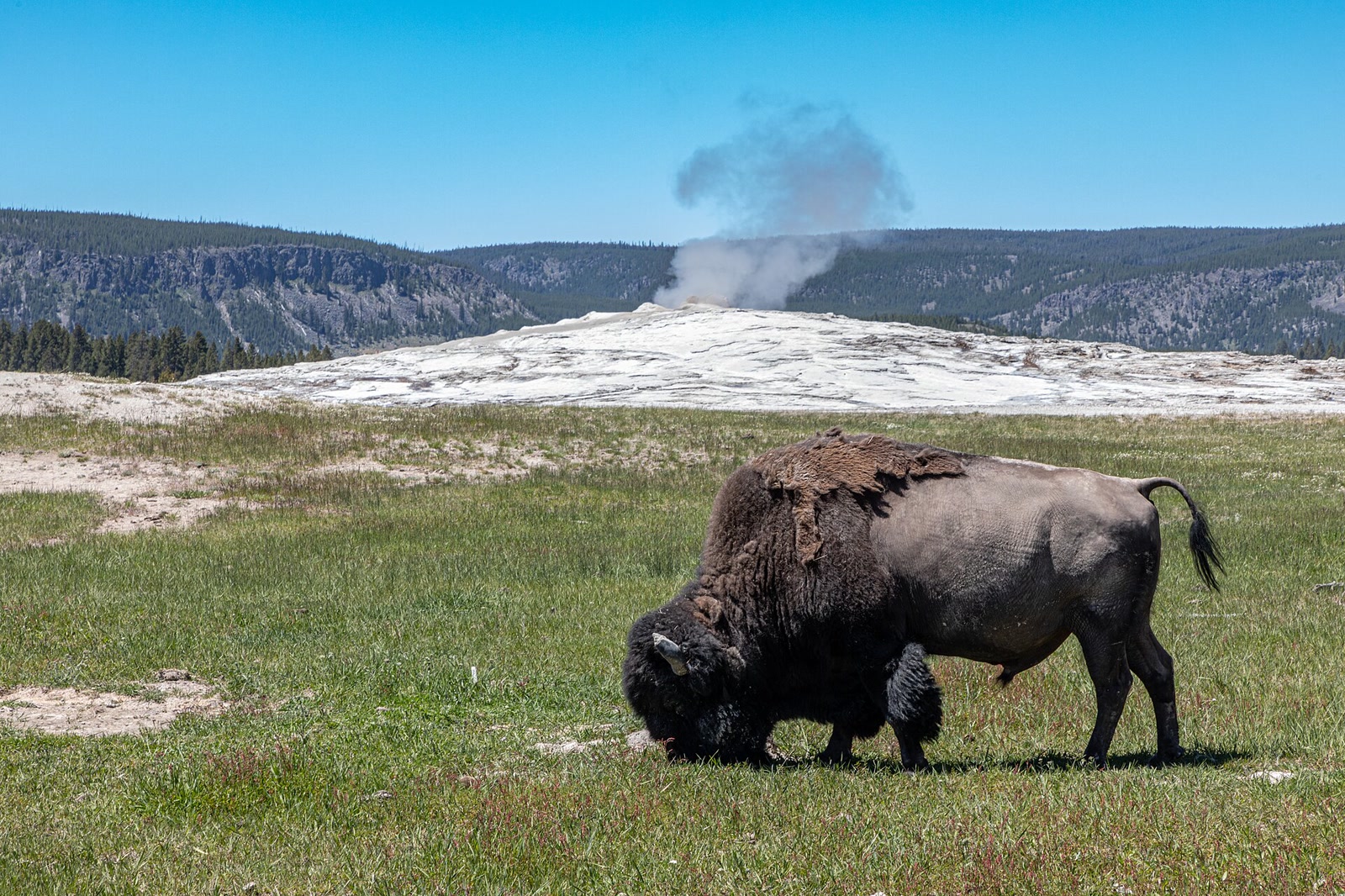
Summer is also the season when the high country finally opens up — the mountain passes, the alpine trails, the lakes that are frozen until June. If your trip is built around hiking, wildlife or the mountain parks, there is no substitute for it, and the crowds are the price of the access. The trick is to take the edges of summer rather than the middle: late May and early June, or September, give you nearly all of the access with a fraction of the July crush. And if your trip is a city trip or a desert trip, summer is the season to skip — the cities are at their hottest and most crowded, and the desert is at its most punishing.
Winter: Two Americas — Ski Towns and Warm Escapes
Winter splits the country in two, and the good time to visit depends entirely on which America you want. One America is the ski towns of Colorado and Wyoming, where the season runs from late November to early April. The other America is the warm escape: Florida, Hawaii, the desert Southwest and the Gulf Coast, where winter is the dry, sunny season and the crowds arrive precisely because the rest of the country is cold. There is no single winter answer — there are two, and they are opposites.
The warm escape is the bigger winter story for most travellers. Florida’s dry season runs from December to April, and winter is the state’s own high season — the beaches are at their best, the humidity drops, and the snowbirds arrive in force. The desert is at its most walkable too: the same canyons that are dangerously hot in July are mild and clear in January. The trade-off is demand: winter is when Florida and the desert cost the most and book out first, so the cheapest winter trip is the one booked earliest.
The ski side needs more caution about dates than explanation: resort opening and closing days vary by year and by mountain, so check the resort itself before you book. And the festive cities are winter’s third option — New York in December, with the lights and the markets, is a trip in its own right, and our guide to things to do in New York City in December covers the month in detail. If you want winter without the cold, go south. If you want winter because of the cold, go to the mountains. Just do not try to do both in one trip.
The Exceptions: Florida, the Desert and the Northern Parks
Three places run on calendars so different from the rest of the country that they flip the answer on their own — and they are the reason this guide is organised by trip type instead of by month. Get these three right and the rest of the planning gets easy.
Florida runs backwards. Its best months are December to April, the dry season, when the humidity drops and the rain eases off. Its worst months are August to October, when the heat and rain peak and the Atlantic hurricane season — June 1 to November 30, with most activity between mid-August and mid-October — is at its most active. An autumn trip that is perfect in New England can be a washout in Miami, so plan Florida on Florida’s calendar, not the country’s.
The desert runs on a narrow window of its own. The best months for the Grand Canyon, the Utah parks and the low desert are March to May and September to November, when the days are warm and the nights are cool. Summer in the low desert is a different matter: highs in Las Vegas can pass 40 degrees Celsius, and hiking in that heat is dangerous, not just uncomfortable. The Grand Canyon’s South Rim is open all year, and its best months are April to May and September to October — but the North Rim is open only from roughly mid-May to mid-October, and after the fire in 2025 destroyed the historic lodge, you should check the park’s current North Rim status before planning anything on that side. Our month-by-month detail for the canyon is in our guide to the best time to visit the Grand Canyon.
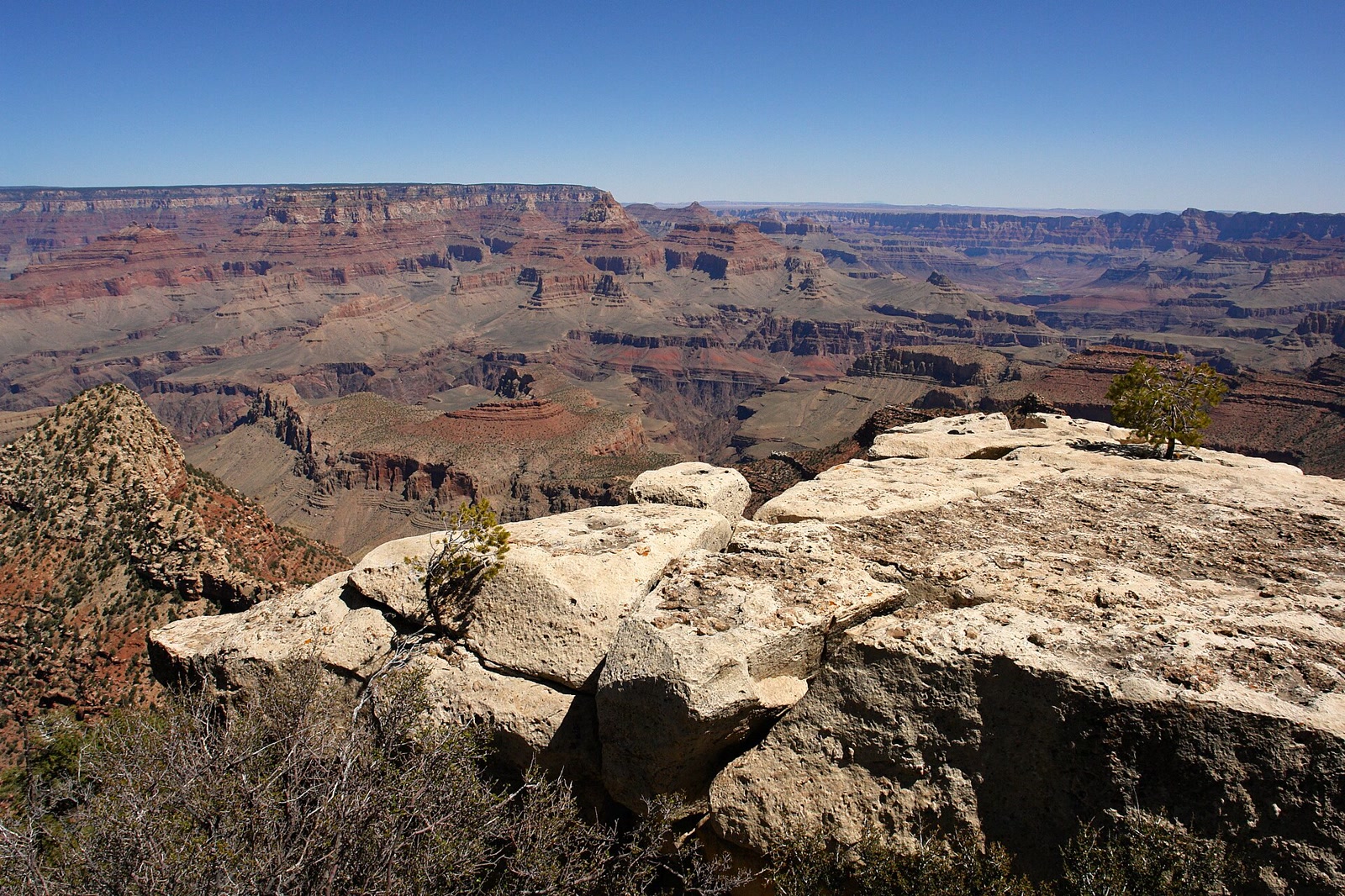
The northern parks are the strictest exception of all, because their calendar is set by snow, not by preference. Yellowstone’s full road system is only open from late May to the end of October, and the high passes can close early if the snow comes in October. The Grand Canyon’s North Rim, as above, is a mid-May to mid-October place. If your trip is built around either park, the park’s road calendar is your trip calendar — everything else is secondary. Our month-by-month detail for Yellowstone is in our guide to the best time to visit Yellowstone.
Crowds and Costs: The Months That Cost You
There are no prices in this section, because prices change every year and a number printed here would be wrong by the time you read it. What does not change is the pattern of demand — and demand is what decides whether a month feels expensive and crowded, or quiet and easy.
The pattern is simple: the months everyone wants are the months that cost the most and book out first. July in Yellowstone, cherry blossom week in Washington, the two peak foliage weeks in New England, Christmas week in New York, winter in Florida — these are the windows where you pay the most and wait the longest, and where booking late means not going at all. The months nobody wants are the opposite: January and February, outside the winter holidays, are the lowest-demand window across most of the Northeast, the Midwest and the interior, and the parks and cities are at their quietest.
But there is no single cheap month nationwide, because the cheap months in one place are the expensive months in another. January is quiet in New York and Chicago, but it is high season in Miami, Hawaii and the desert Southwest. November is quiet almost everywhere — except that the Thanksgiving week is one of the busiest travel weeks of the year. The useful rule is not “go in the cheapest month” but “go in the cheap month for your place”: the shoulder weeks around your destination’s peak, not the peak itself, and never the holiday week inside it.
How Far Ahead to Book, by Trip Type
Timing is not only about which month you go — it is about when you book, and the two are linked. A good month booked too late is a bad trip, and the lead time you need depends on the trip type more than on the destination.
For a typical trip — a city break, a week in Florida, a first national park visit — three to six months ahead is the sensible window. That is enough time to get the flights and the lodging you want without paying the last-minute premium, and it leaves room to shift dates if a forecast or a closure changes your plans. For a flexible city break with no fixed event, one to three months can be enough, especially outside the peak weeks.
For the hard trips, book much earlier. Peak-summer national park lodges, major holiday weeks and multi-stop road trips need six to twelve months: the in-park lodges for Yellowstone and the Grand Canyon book out a year ahead, the foliage inns in New England fill by midsummer, and the ski towns fill as soon as the season dates are announced. If your trip has one thing that cannot be moved — a lodge inside the park, a specific week, a festival — book that thing first, then build the rest of the trip around it. The month you go matters less than the month you book when the thing you want only exists in one place.
Pick Your Month: The Good-Time Checklist
Here is the whole guide in one checklist. Work through it in order, and the month will pick itself.
First, name the trip: cities, parks, beach, desert, ski or foliage. If you cannot name it, start with late spring or early autumn — they suit the most trips. Second, check the exceptions: if the trip touches Florida, the desert or the northern parks, use their calendars, not the general one. Third, check the one event that could make or break it: cherry blossom week, the foliage peak, hurricane season, the road opening dates. Fourth, check the crowds: avoid the mid-October foliage long weekend, the July crush in the parks, and the holiday week inside any season. Fifth, book on the lead time your trip type needs — three to six months for most trips, six to twelve for the hard ones.
And one last note on timing: this publishes in November 2026, so the season is over for most of the country, and the dates that matter now are the 2027 ones. The blossom forecast comes in late February, the park roads reopen in late April and May, and the foliage turns again in late September. Plan the 2027 trip now, book the hard parts early, and a good time to visit USA will be the month you chose on purpose — not the month that was left.