
Santa Rosa is the city most wine-country visitors drive straight through, and that is their mistake. The list of things to do in Santa Rosa, California starts with wine, the way every list does, but the city itself is the largest in Sonoma County and the county seat, so it carries the museums, parks and civic history that a weekend wine town never gets. Two names anchor its reputation, and neither is a winery: Charles M. Schulz drew Peanuts here for decades, and Luther Burbank bred plants from a garden on Santa Rosa Avenue.
The practical case is just as strong. Santa Rosa sits about 50 miles north of San Francisco on Highway 101, roughly an hour’s drive, so it works as a first stop out of the city or as a base for the whole county. Rooms cost less than in Healdsburg or the town of Sonoma, and the coast is under an hour west.
The Short Answer: Wine Country With a Real City in It
If you only have one day, spend the morning at the Charles M. Schulz Museum, walk the Luther Burbank gardens after lunch, and finish downtown in Railroad Square with a tasting and dinner. That covers the two things that make Santa Rosa different from every other wine-country town: a cartoonist’s museum that adults enjoy as much as children do, and a garden that changed what America grows.
Everything else in this guide — the hiking, the lake, the redwoods, the safari park — is a reason to stay a second day. Downtown is a real working centre, not a tasting-room strip. Plan around that: mornings for the museums, afternoons for the outdoors, evenings downtown.
Meet Snoopy’s Hometown: The Charles M. Schulz Museum
Every Santa Rosa trip starts here, and it should. The Charles M. Schulz Museum and Research Center stands at 2301 Hardies Lane, on the north side of town, and it holds the original comic strips, the drawings and the personal story of the man who created Peanuts. The centrepiece is a recreation of Schulz’s art studio, set up exactly as he left it, and the galleries rotate exhibitions of original art alongside a theatre showing the animated specials.
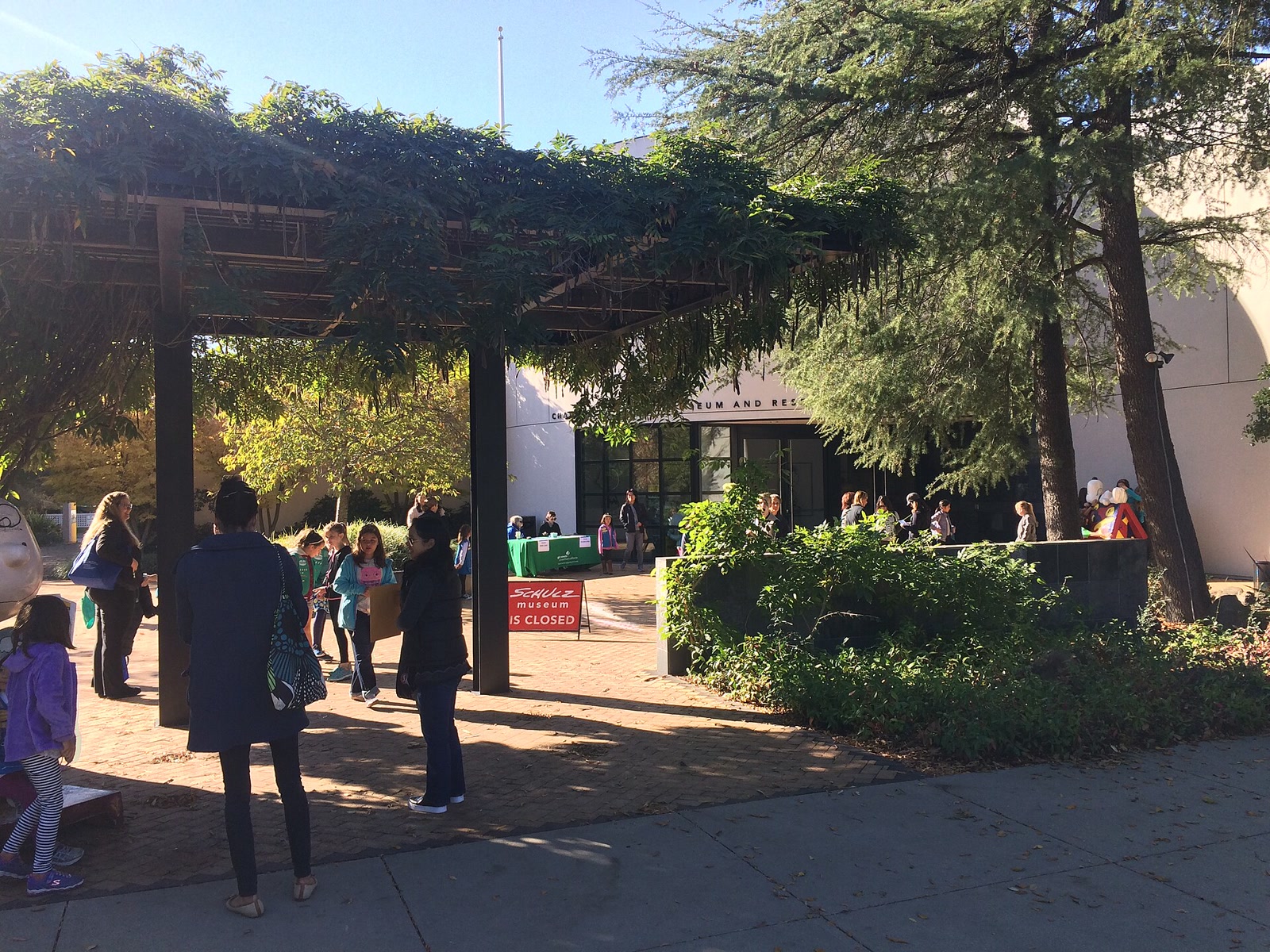
The museum is open Monday and Wednesday to Friday from 11 a.m. to 5 p.m., and Saturday and Sunday from 10 a.m. to 5 p.m., and it is closed on Tuesdays year-round. Admission is $15 for adults, $10 for seniors aged 62 and over, $7 for students and for young people aged 4 to 18, and free for children aged 3 and under. Tickets are sold only on arrival, and parking is free. Next door sits Snoopy’s Home Ice, the ice rink Schulz built.
A Garden That Changed How America Grows Things
Luther Burbank is the other name every Santa Rosa visitor should know, and his home and gardens sit right downtown at 204 Santa Rosa Avenue, an easy walk from Courthouse Square. Burbank was America’s most celebrated plant breeder, and over his career he developed more than 800 new plant varieties, from the Shasta daisy to the Santa Rosa plum that still carries the city’s name.
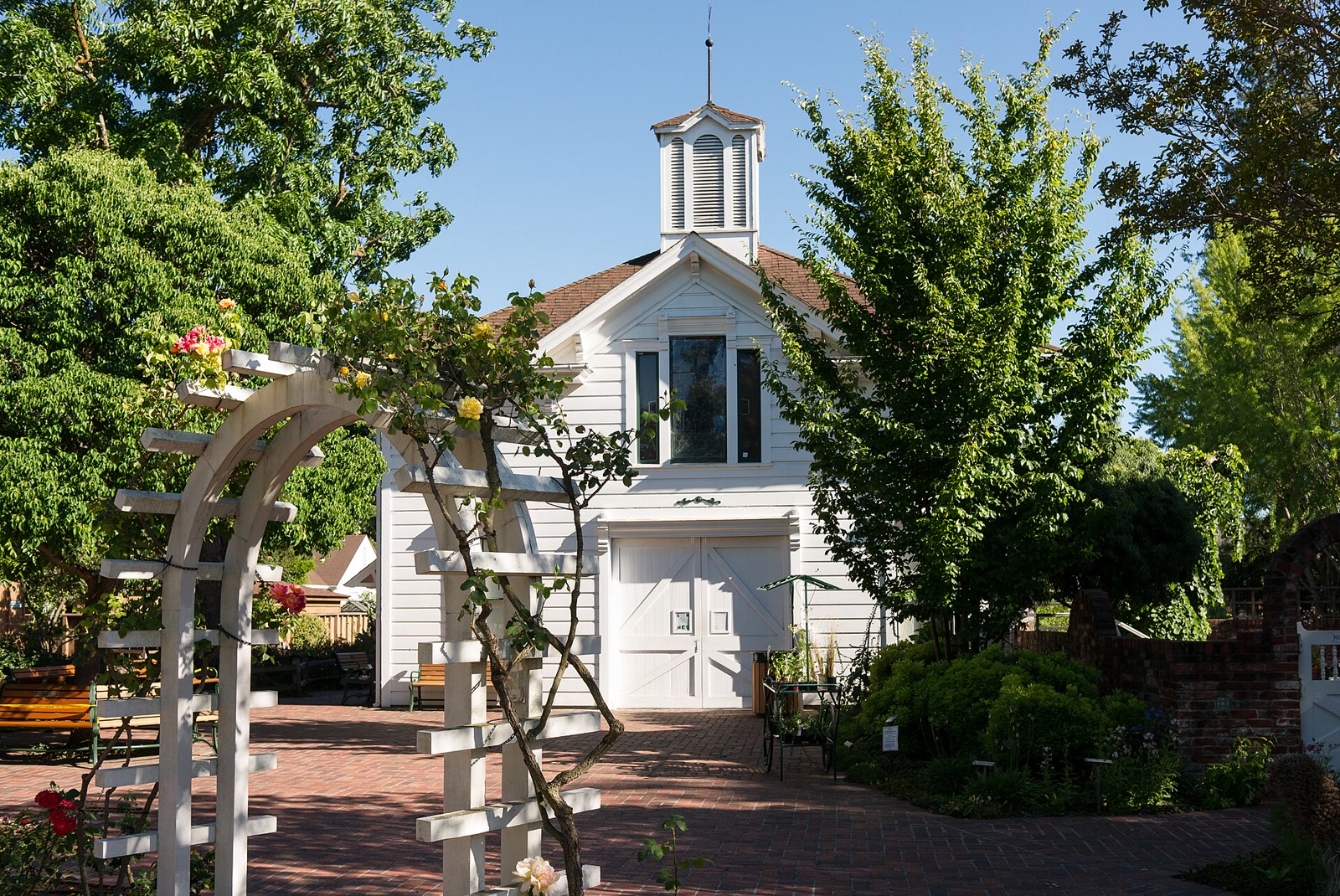
The gardens are open every day and free to walk: 8 a.m. to 7 p.m. from April to October, and 8 a.m. to 5 p.m. from November to March. The house tours, museum and gift shop run from April to October, Tuesday to Saturday from 10 a.m. to 4 p.m. and Sunday from 1 to 4 p.m., with guided tours at $12, or $10 for students and seniors, and free for children under 12. Burbank did world-changing work in a backyard, and the garden still feels like one.
Downtown on Foot: Courthouse Square and Railroad Square
Downtown Santa Rosa is two squares and a short walk apart, and both are worth your feet. Old Courthouse Square is the city’s central gathering place, a lawn and plaza ringed by shops and restaurants on Fourth Street. The best of its events is the Wednesday Night Market, which runs on Wednesday evenings from mid-May to mid-August, closing the street to traffic for food stalls, craft vendors and live music.
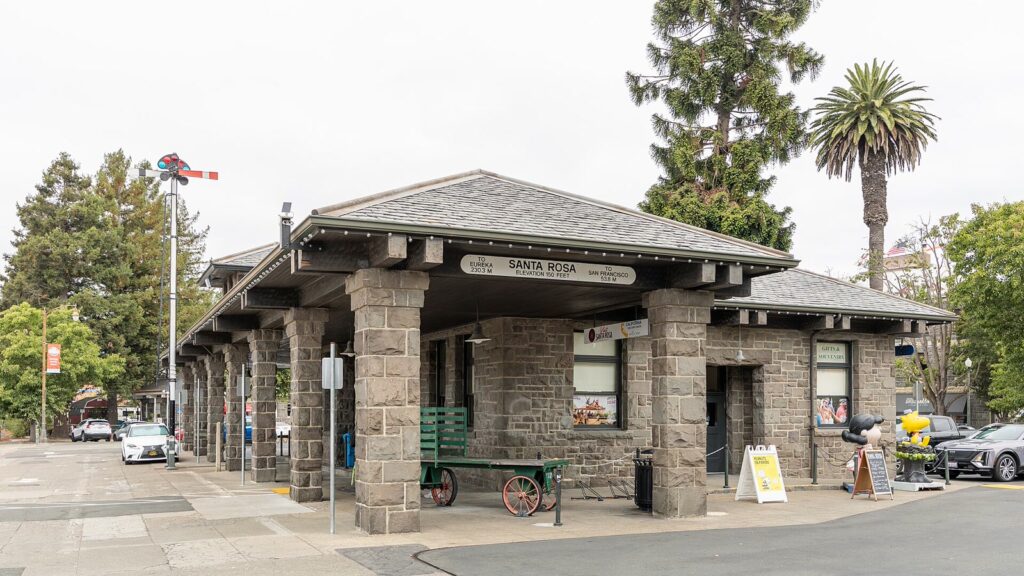
A ten-minute walk west brings you to Railroad Square, the historic district around the old stone depot. The depot itself now houses a visitor centre and shops, and the streets around it hold antique stores, coffee houses and restaurants in brick buildings from the railroad era. Between the two squares sits the Museum of Sonoma County on Seventh Street, with rotating art and history exhibitions.
Wine Tasting Without Leaving Town
You do not need to drive into the valleys to taste Sonoma wine. Several well-known tasting rooms sit in and around Santa Rosa itself, and the city makes a practical base because you can taste in the morning and be back downtown for lunch. Paradise Ridge Winery sits on a hill above the city with a sculpture garden and wide views, and Matanzas Creek, out in Bennett Valley, pours wines from one of the county’s cooler corners. Most tasting rooms now run seated tastings, so book ahead on weekends.
Pick a valley and follow it. The Russian River Valley, west of town, is Pinot Noir and Chardonnay country, cool and foggy in the mornings, and its small tasting rooms are the most personal in the county. The Alexander Valley, to the north, runs warmer and leans to Cabernet. Either one makes a half-day drive with two or three stops, and both are quieter than Napa across the mountains. If you would rather not drive at all, several downtown tasting rooms pour wines from across the county in one room, and the city’s downtown brewpubs give non-drinkers and beer lovers a proper alternative.
Hiking the Oak Hills: Trione-Annadel State Park
Santa Rosa’s backyard is a proper wild park, not a city trail system. Trione-Annadel State Park spreads across about 5,000 acres on the eastern edge of town, a landscape of oak woodland, meadows, chaparral and redwood groves that biologists regard as one of the finest examples of undisturbed northern oak woodland left in California. More than 40 miles of multi-use trails cross it, open to hikers, mountain bikers and horseback riders.
The classic first hike is the Cobblestone Trail, about two miles from the Channel Drive parking area to the old Wymore Quarry. For a longer day, the Warren Richardson Trail climbs about 900 feet through meadows and oak forest to Lake Ilsanjo, a 26-acre man-made lake where anglers fish for bass and bluegill. The park is day-use only, and the main entrance is off Channel Drive. Bring water: the hills are exposed in summer, and spring and autumn walk best.
Water and Picnics: Spring Lake and Howarth Park
On a hot day, Santa Rosa’s two lake parks are where the city goes. Spring Lake Regional Park, at 393 Violetti Road on the south-eastern edge of town, covers 320 acres around a lake used for boating and fishing. Its centrepiece in summer is a three-acre swimming lagoon with a sandy beach, lifeguards and free admission, open from Memorial Day weekend through Labor Day, with an inflatable water playground for children.
Howarth Park, closer to the centre of town, is the smaller and more local of the two, with 152 acres around its own small lake, Lake Ralphine, where you can rent a paddleboat, and a playground and picnic lawns that fill with families at weekends. Both parks are free to enter, and both are best on weekday mornings.
The Redwoods Are Half an Hour Away
The most surprising thing about Santa Rosa is how close the redwoods are. Armstrong Redwoods State Natural Reserve, in Guerneville about thirty-five minutes west, protects a grove of old-growth coast redwoods. You park at the entrance and walk in along the Pioneer Nature Trail, a flat, mile-and-a-half round trip that is wheelchair accessible and passes the grove’s two famous trees: the Parson Jones Tree, the tallest at more than 310 feet, and the Colonel Armstrong Tree, the oldest, estimated at more than 1,400 years old.
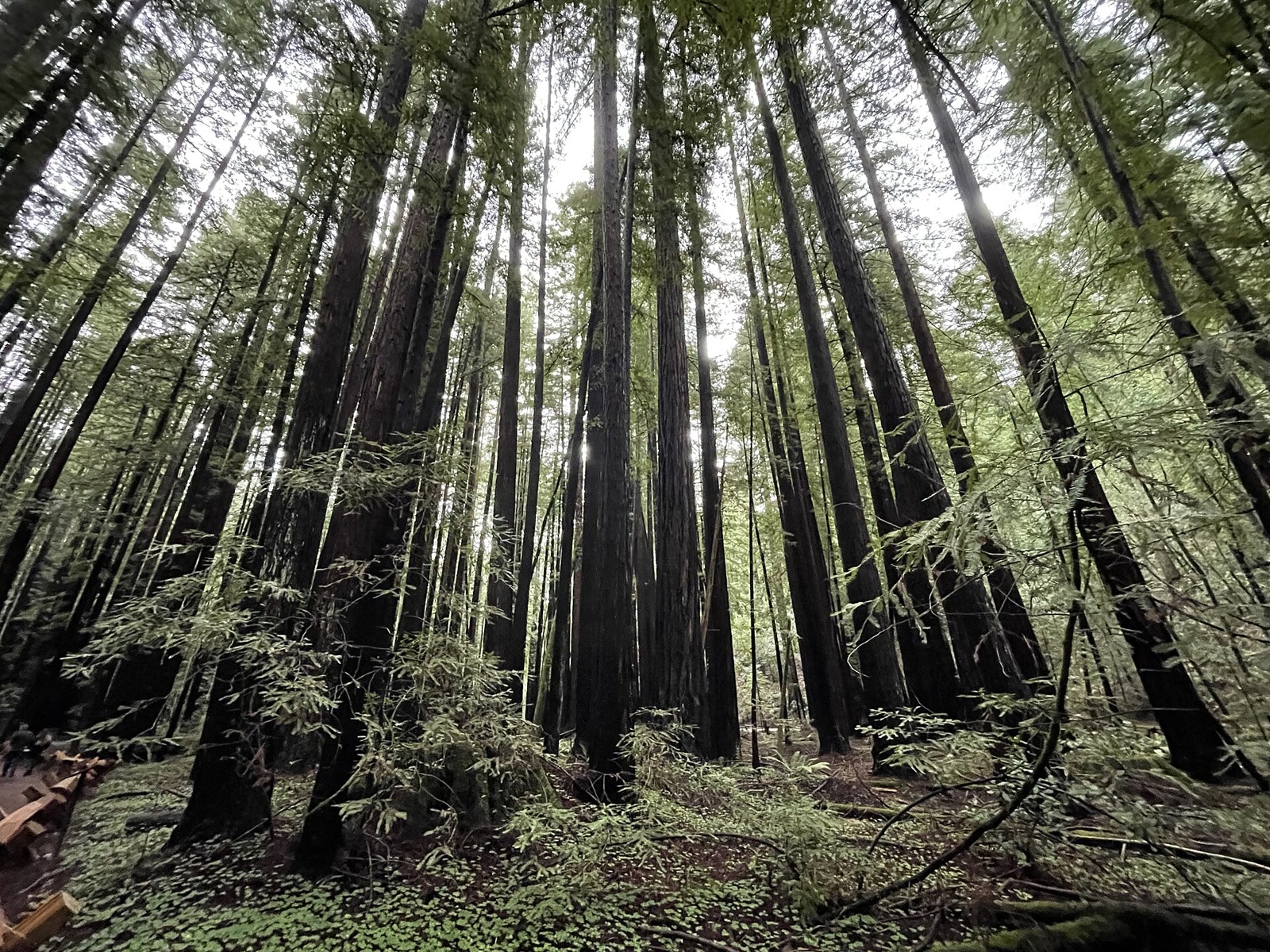
Parking is $10 per vehicle, or $9 if a passenger is aged 62 or over, and the fee applies whether or not the kiosk is staffed. Dogs are allowed only on the paved road, never on the dirt trails, and drones are not allowed anywhere in the reserve. Mornings are the best time to go, when the fog is still in the trees and the grove is nearly empty. Pair it with lunch in Guerneville, a small river town with cafes and bookshops on its main street.
A Safari in the Middle of Wine Country
Safari West, at 3115 Porter Creek Road on the north-east edge of town, is the stop that surprises first-time visitors most. It is a 400-acre private wildlife preserve where giraffes, rhinos, cheetahs and wildebeest roam open grassland that looks, at first glance, nothing like Sonoma County. The visit runs as a guided tour in an open-air vehicle, and the animals come close enough that the experience feels genuinely wild rather than staged. Book ahead: the tours run on a schedule and the popular times fill up.
What makes Safari West work is that it is a real conservation project, not a theme park. The preserve breeds and cares for species that are under pressure in the wild, and the guides talk about that work as they drive. Give it half a day, wear a hat and sunscreen because the vehicles are open to the sky, and bring a camera with a proper zoom. It pairs naturally with the Schulz Museum, a short drive away.
Day Trips From Santa Rosa, California: Bodega Bay and the Sonoma Coast
Santa Rosa’s real advantage is what it is close to, and the best day trip is west, to the coast. Bodega Bay, a working fishing harbour under an hour’s drive away, is where the county’s seafood comes from: clam chowder by the harbour, fishing boats unloading at the docks, and whale-watching boats in season. From there the Sonoma Coast runs north past Goat Rock and Wright’s Beach, rugged bluffs and wide sand with the Pacific breaking hard against the rocks.
The other direction worth a day is the Russian River, which runs from Guerneville down to the coast at Jenner. The river towns are small and slow, with canoe rentals, redwood groves and tasting rooms that see far fewer visitors than the ones near the highway. The town of Sonoma, forty minutes south-east, holds the county’s oldest plaza.
One Good Day in Santa Rosa: A Plan That Actually Works
Here is the day that works, tested against the opening hours rather than wished for. Start at the Schulz Museum when it opens, at 10 a.m. on weekends or 11 a.m. on weekdays, and give it two hours. Walk the Luther Burbank gardens after lunch, then spend the late afternoon on foot downtown, from Courthouse Square to Railroad Square, with a tasting and dinner on Fourth Street. If it is a Wednesday between mid-May and mid-August, let the evening run itself: the night market fills the square with food stalls and music, and it costs nothing to wander.
If you have a second day, spend the morning in the redwoods at Armstrong and the afternoon at Spring Lake, or swap the lake for a hike in Annadel if the weather is cool. Families should trade the wine tasting for the Children’s Museum of Sonoma County and the Pacific Coast Air Museum at the airport. Most visitors arrive from San Francisco, about an hour south: our guide to the things to do in San Francisco covers the city end of the trip in the same order. Santa Rosa is not a place you pass through on the way to wine country. It is the place you come back to when you realise the wine was only half the trip.