
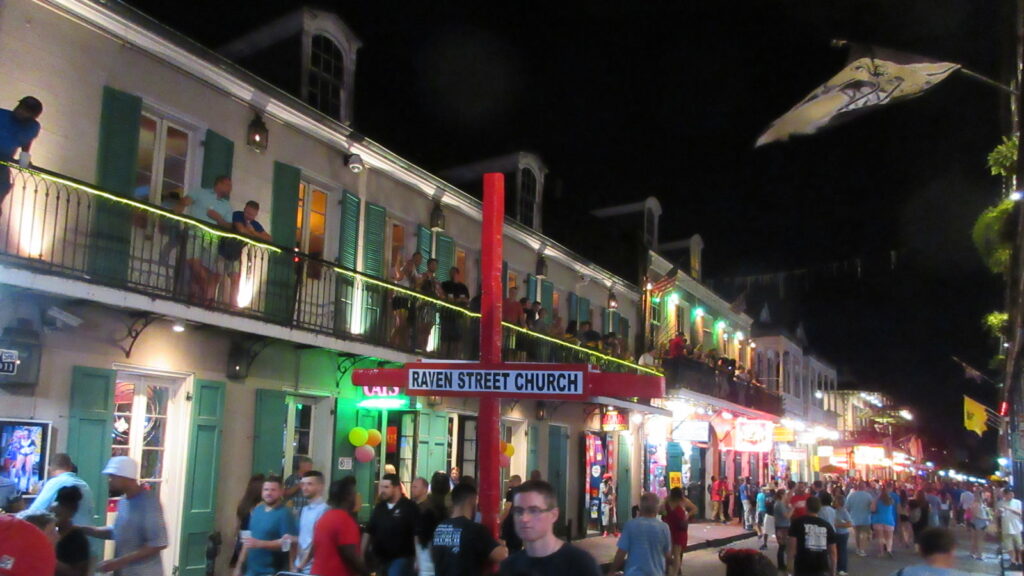
New Orleans is the easiest American city to get wrong in three days. Most first-timers try to see everything, pay for five big attractions, and end up exhausted on Bourbon Street by the second night. This new orleans itinerary takes the opposite approach: walk slowly, pay for one good thing a day, and let the music and the food fill the gaps. Day one is the Quarter and Tremé, day two the Garden District, day three the museum and the river. A swamp tour is the swap, not an extra. You do not need a car, and every price and hour below was checked in November 2026.
The one-anchor rule: three days, three paid stops
The usual guides stack five paid attractions into three days. That is how a holiday turns into a schedule. This plan has one paid anchor per day, and everything else is free or nearly free: the streets, the music, the parks, the cathedral, the riverfront. Day one, the anchor is the Backstreet Cultural Museum in Tremé, at $25. Day two, the anchor is lunch at Commander’s Palace. Day three, the anchor is the National WWII Museum, at $37. If a day feels full, drop the free parts, never the anchor. Two days means skipping the Garden District or the museum, and both are the reason to come.
Day 1: Tremé, the French Quarter and Frenchmen Street
Start in Tremé, not on Bourbon Street. Tremé is one of the oldest Black neighborhoods in the United States, and it is where New Orleans culture comes from. The Backstreet Cultural Museum, at 1531 St. Philip Street, holds the costumes and the history in a small house. It is open Tuesday to Saturday, 10 AM to 4 PM. Admission is $25 for adults, $20 for seniors, locals and students, $15 for ages 12 to 16, $10 for ages 6 to 12, and free under 5.
From Tremé, walk down to the French Quarter along Esplanade Avenue. Jackson Square is the first stop, and it is free: the cathedral, the statue, the artists and the street performers. St. Louis Cathedral, at 615 Pere Antoine Alley, is the oldest active cathedral in the United States. It is open daily from 9:30 AM to 4 PM, last visitors at 3:45 PM, and entry is free, though it sometimes closes for weddings. Café du Monde is two minutes from the square, at 800 Decatur Street, serving beignets and chicory coffee since 1862. It is open 7:15 AM to 11 PM Sunday through Thursday, and until midnight Friday and Saturday. It is cash only.
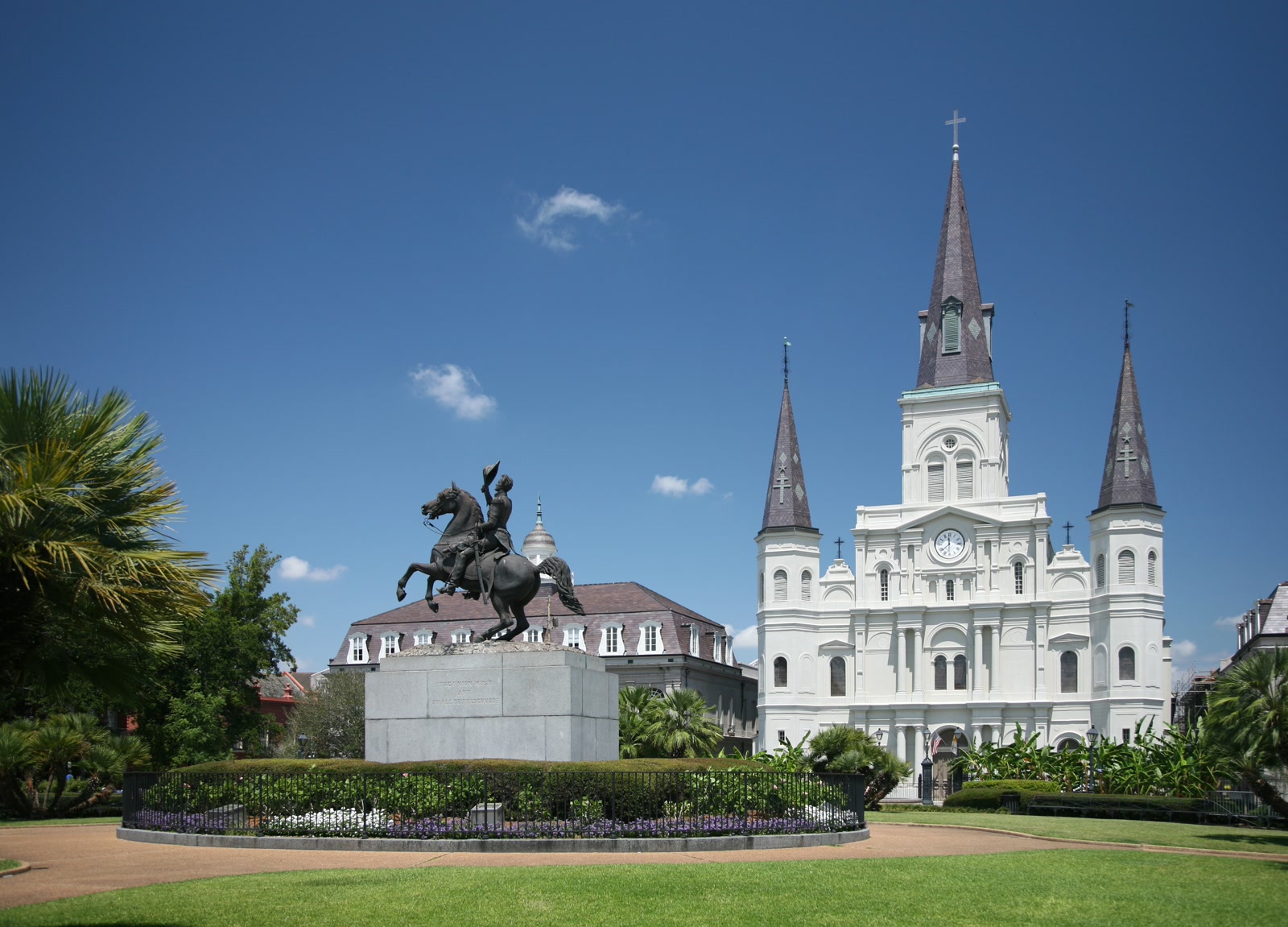
Spend the afternoon walking the Quarter: Royal Street for the galleries, Chartres Street for the quiet end, and the Moon Walk for the river view. Bourbon Street is one street, not the city. Walk it once, early in the evening, then leave it for Frenchmen Street, three blocks past the Quarter on Esplanade: small clubs with no cover charge, brass bands, and locals who actually live here.
Day 2: the Garden District, Magazine Street and Uptown
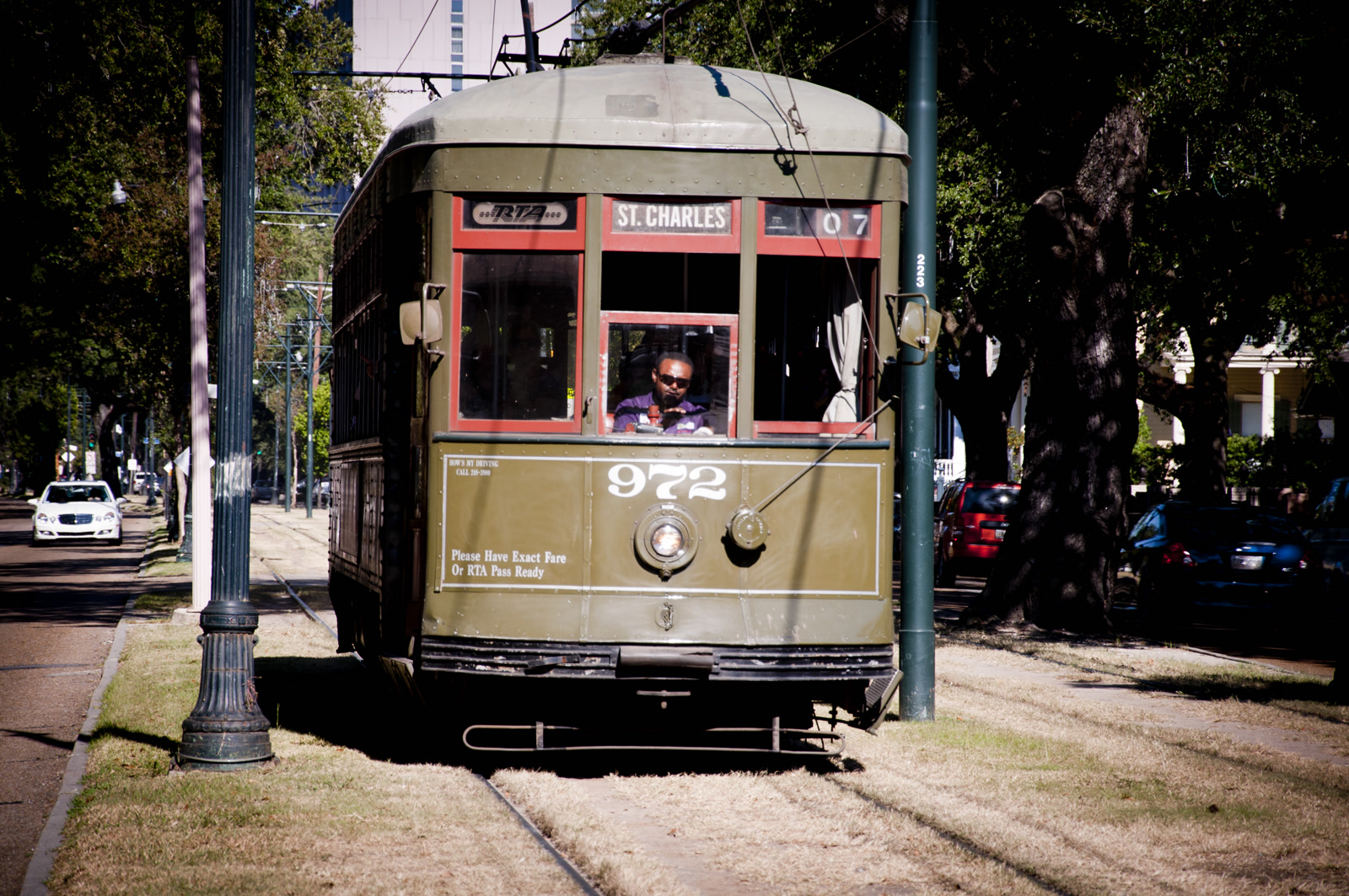
Day two is the streetcar day. The St. Charles Avenue line has been running since 1835, making it the oldest continuously operating streetcar line in the world, and its green cars are the best sightseeing in the city for $1.25 a ride. Buy a 1-day Jazzy Pass for $3 instead: unlimited rides on every streetcar and bus, and a 3-day pass costs $8. The line runs 24 hours from Canal Street to Carrollton. Check for track work near the Carrollton end before riding all the way out.
Ride up to the Garden District and get off at Washington Avenue: oak-lined streets, big houses with iron fences, and a pace a world away from the Quarter. Walk the blocks between St. Charles and Magazine Street, past Lafayette Cemetery No. 1, which is best seen on a licensed walking tour rather than from the gate. The houses are the attraction, and they are free to look at.
Lunch is the day’s anchor: Commander’s Palace, at 1403 Washington Avenue, the city’s most famous restaurant. The weekend jazz brunch is the meal to book. Reservations are essential, especially for brunch, and weekend brunch slots should be booked two to four weeks ahead. The Friday lunch has a famous quirk: 25-cent martinis, with a limit per person. After lunch, walk Magazine Street: the stretch near the Garden District has local shops, bookshops and cafés, and not a single chain in sight. The afternoon is deliberately loose: day three is the museum.
Day 3: the WWII Museum, the Warehouse District and the river
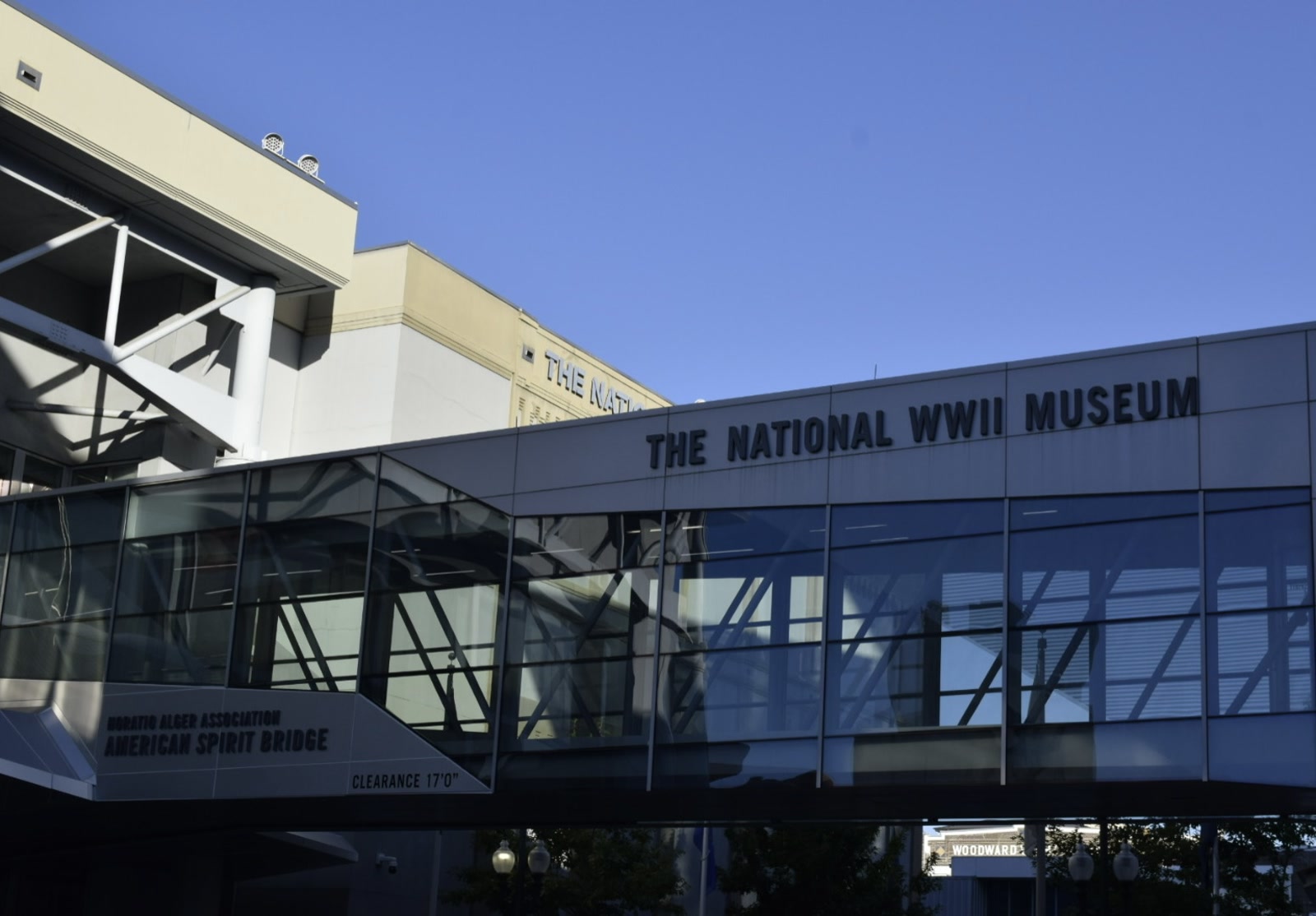
Day three starts at the National WWII Museum, at 945 Magazine Street in the Warehouse District, and it needs a full morning. It is the best museum in the city: the USS Tang submarine experience and the Beyond All Boundaries film narrated by Tom Hanks. Admission is $37 for adults, $34 for visitors 65 and over, $27 for students and military with ID, and free for children under 5 and WWII veterans. A second-day ticket costs $15, and the film costs $9 extra. The museum is open 9 AM to 5 PM every day, and it closes only on Mardi Gras Day, Thanksgiving, Christmas Eve and Christmas Day.
The afternoon is the river. The Steamboat Natchez sails from the Toulouse Street Wharf, one block from Jackson Square. The daytime jazz cruise lasts about two hours and starts from $44 per adult, with live jazz, the calliope and the engine room. The dinner cruise starts from $89, the Sunday brunch from $79. Boarding starts 30 minutes before sailing. One thing to know: from November 2, 2026 through January 31, 2027, the cruises run aboard the sister vessel, the Riverboat City of New Orleans, while the Natchez is out of service. If a riverboat is not your thing, walk the riverfront instead, or take the free pedestrian ferry to Algiers Point for the best skyline view back across the river.
The swamp day: swap, don’t stack
The swamp tour is the most common regret in a New Orleans trip: people add it to a day that is already full. A swamp tour takes half a day once you count the drive out and back, and it does not fit alongside a museum morning and a riverboat afternoon. So treat it as a swap, not an add-on. The cleanest swap is day three: skip the WWII Museum, take the morning airboat tour, and spend the afternoon on the riverfront and in the Quarter. Or add a fourth day. Either way, it never joins a day that already has an anchor.
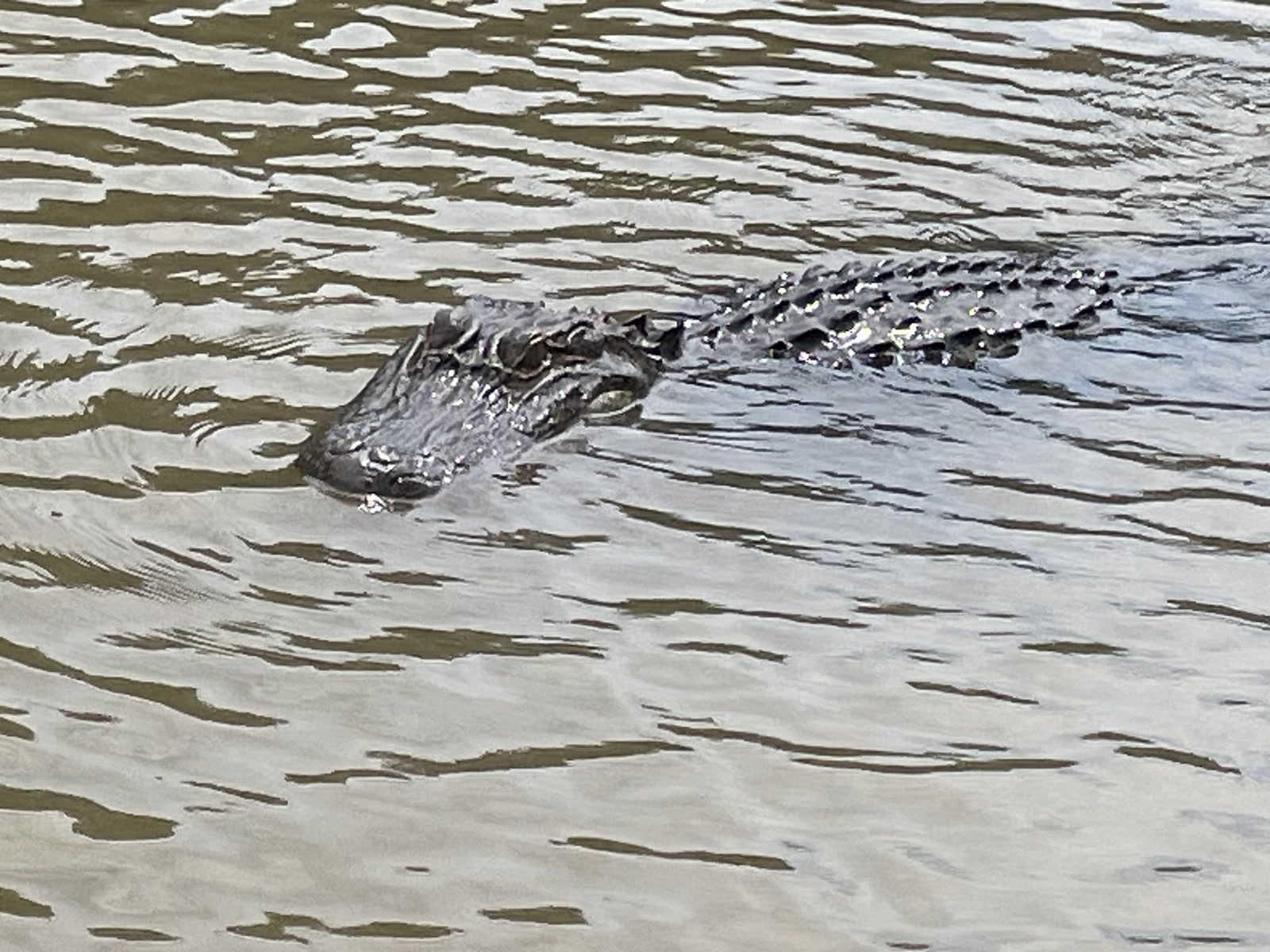
Airboat tours run about 1 hour 45 minutes on the water, less than 30 minutes from downtown. Prices run roughly $70 to $105 per person, depending on boat size and pickup. Book the small boat if you can: it holds 6 to 11 people and goes further into the marsh. Go in the morning, when the wildlife is most active. The other swap is Oak Alley Plantation, about 70 miles away, roughly 1 hour 10 minutes each way. The row of 28 oak trees in front of the Greek Revival mansion, built in 1837, is the photograph everyone comes for. If you have to choose, take the swamp: it is closer, stranger, and more New Orleans.
Getting around: walking and the streetcar — no car
You do not need a car in New Orleans: parking is expensive and the streets are narrow. Louis Armstrong Airport (MSY) is about 15 miles from the French Quarter, a 20 to 30 minute drive, and 40 minutes or more at rush hour or on festival weekends. There is no train or metro from the airport. A taxi costs a flat $36 for up to two passengers to the French Quarter or the Central Business District, and the RTA 202 bus is the cheapest option if you travel light.
Once you are in town, the Quarter, Tremé and the Warehouse District are all walking distance. The St. Charles streetcar covers the Garden District and Uptown, and the Riverfront streetcar runs along the river. A single ride is $1.25, a 1-day Jazzy Pass is $3, a 3-day pass is $8 and a 7-day pass is $15, and every pass covers buses and streetcars. Buy the 3-day pass on arrival and stop thinking about fares.
Where to stay: the French Quarter or the CBD edge
Stay in the French Quarter or on its edge, and the whole plan works on foot: you step out of your hotel and you are already in the city. The streets off Bourbon are quiet at night, and the blocks near Esplanade and the river are calmer than the ones near Canal Street. The alternative is the Central Business District, just across Canal Street from the Quarter. It is quieter, the hotels are often cheaper and newer, and you are still a ten-minute walk from Jackson Square.
Avoid staying out in the suburbs or near the airport to save money: the savings go into taxis, and you lose the evenings. Book early if you are coming for Mardi Gras or Jazz Fest. Mardi Gras Day in 2027 is Tuesday, February 9, and hotel prices that week are the highest of the year. The best months are February to May and October to November. Summer is cheaper, but hot and stormy, and hurricane season runs June through November.
What to book first
Book in this order. First, Commander’s Palace, especially the weekend jazz brunch: two to four weeks ahead for a weekend, one to two weeks for a weekday dinner. Second, the swamp tour, if you are taking one: the small boats fill up first, and morning slots go before afternoon ones. Third, the Steamboat Natchez dinner cruise, if that is your day-three plan. Fourth, the WWII Museum tickets: buying online saves the queue. Everything else can wait until you arrive. The Backstreet Cultural Museum does not take bookings, the cathedral is free and walk-in, and the streetcar pass can be bought on the day.
FAQ
Is 3 days enough for New Orleans?
Yes, for a first trip. This new orleans itinerary covers the Quarter, the Garden District, the museum and the river, with one paid anchor a day. A fourth day adds the swamp or Oak Alley.
Do I need a car in New Orleans?
No. The French Quarter, Tremé and the Warehouse District are walkable, the St. Charles streetcar covers the Garden District and Uptown, and the airport is a 20 to 30 minute taxi ride. A car costs money to park and is useless in the Quarter.
What is the best time of year to visit New Orleans?
February to May and October to November, when the weather is warm and the festivals are on. Mardi Gras Day in 2027 is Tuesday, February 9; dates move every year, so check the current schedule first.
Is Bourbon Street worth it?
Once, in the evening, for an hour. Bourbon Street is one street, and it is the loudest and least local part of the city. The music is on Frenchmen Street. Walk Bourbon, then leave it.
Can you do the swamp tour and the city in 3 days?
Yes, but only as a swap: the swamp replaces the WWII Museum on day three, or it gets a fourth day of its own. An airboat tour takes about half a day with the drive. Book the small boat and go in the morning.
How much does a 3-day trip to New Orleans cost?
The paid parts are three anchors: the Backstreet Cultural Museum at $25, lunch at Commander’s Palace, and the WWII Museum at $37. Add an $8 streetcar pass, a $36 taxi each way, and the swamp tour at roughly $70 to $105 if you take it.
The Short Version
This new orleans itinerary works when you pay for one good thing a day and let the city fill the rest. Day one is Tremé and the French Quarter: the Backstreet Cultural Museum in the morning, Jackson Square and the cathedral in the afternoon, Frenchmen Street at night. Day two is the Garden District by streetcar: the houses, lunch at Commander’s Palace, and Magazine Street. Day three is the National WWII Museum in the morning and the river in the afternoon. The swamp is a swap, not an extra. Walk everywhere, ride the streetcar, stay in the Quarter, and book Commander’s Palace first.