
San Francisco is a good base for day trips because the best ones start close and get wilder the further you go. The easiest is Muir Woods and Sausalito, a half day north across the Golden Gate Bridge. Angel Island is a ferry ride from the Ferry Building. Half Moon Bay is 45 minutes down the coast. Napa and Sonoma are an hour to an hour and a half of driving. Point Reyes is about the same drive but feels further away. Monterey and Carmel are the long day, two to two and a half hours each way. Every time and price below was checked in November 2026.
The five day trips, ranked by how easy they are
Ranked easiest first. Muir Woods and Sausalito share one half day, so the list runs to six escapes, not five — the ranking is what matters. First, Muir Woods and Sausalito: 30 to 45 minutes each way, no car needed if you take the ferry back. Second, Angel Island: a ferry from the Ferry Building, no car at all. Third, Half Moon Bay: about 30 miles and 45 minutes down Highway 1. Fourth, Napa and Sonoma: 45 to 55 miles, an hour to an hour and a half. Fifth, Point Reyes: about 30 miles north but an hour to an hour and a half of winding road. Sixth, Monterey and Carmel: about 120 miles and two to two and a half hours each way. If you have one free day, take the first trip. If you have three, take the first, the wine country and the coast.
Muir Woods and Sausalito: the classic half day north
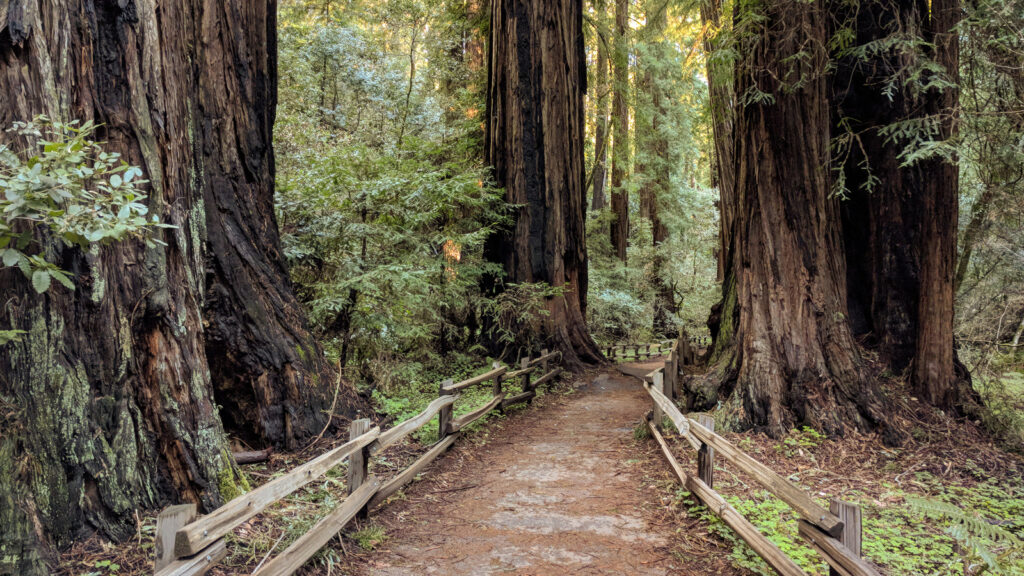
Muir Woods is 12 miles north of San Francisco, and it is the closest thing to another world you can reach in half an hour. The monument protects 554 acres of old-growth coast redwood forest, and 240 of those acres have never been cut. Most of the trees are 500 to 800 years old, and the tallest in the park is 258 feet high. The main trail is a flat boardwalk along Redwood Creek, and the walk to Cathedral Grove — the quietest, tallest stand — takes about half an hour each way. There are six miles of trails if you want more.
The part people get wrong is the booking. Entry is $15 per person aged 16 and over, and under-16s are free, but entry is the easy half. Every vehicle needs a parking reservation booked in advance at GoMuirWoods.com — standard parking is $10 per vehicle — and reservations open 90 days ahead and sell out on weekends. There is no parking sold on site. A shuttle runs from Sausalito in the warmer months, and that also needs a reservation. There is no cell service in the canyon, so download your reservation and your map before you leave the city.
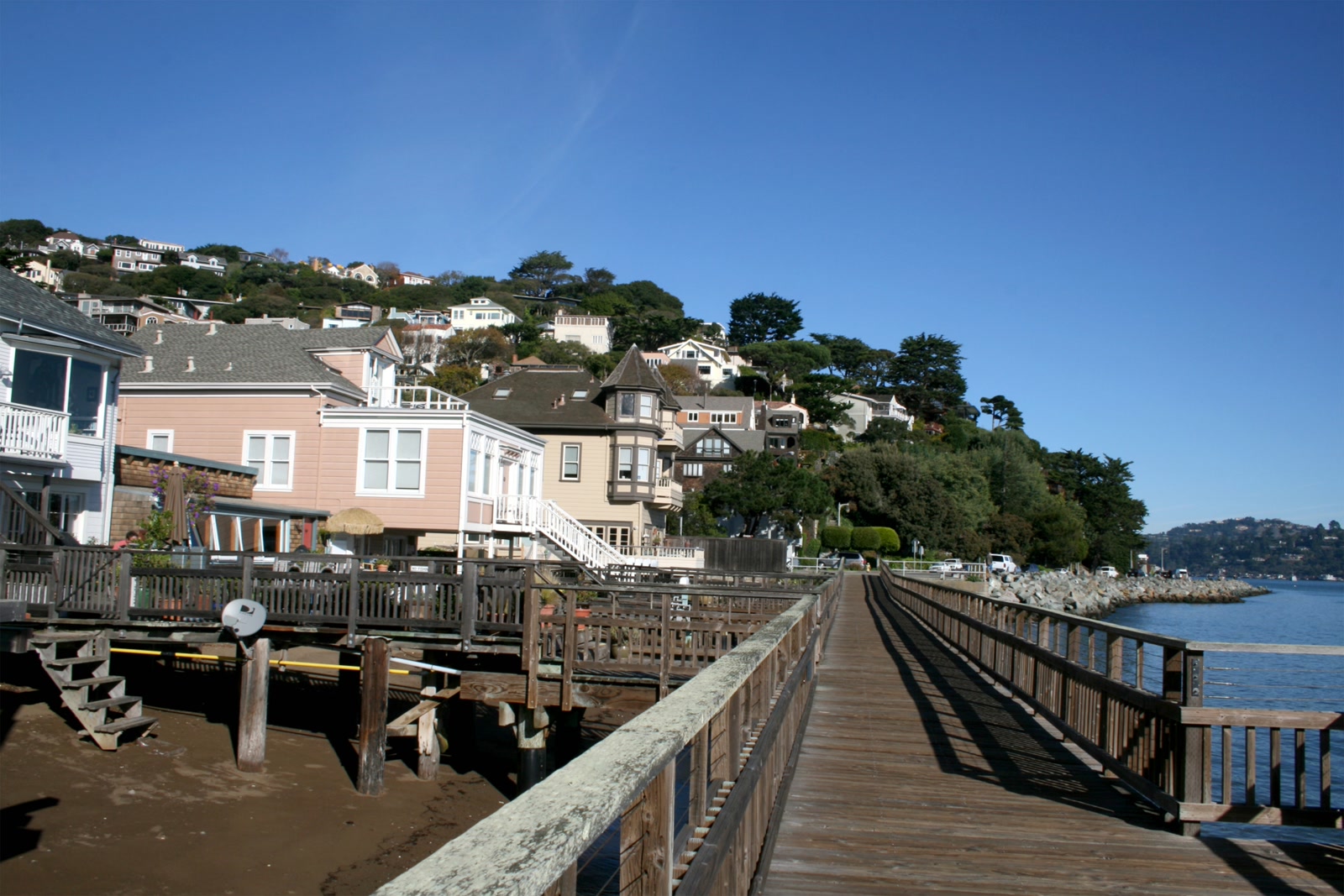
Cross back over the bridge and finish the half day in Sausalito, about three miles north of the Golden Gate Bridge. The town is a waterfront of houseboats and hillside houses, best on foot: walk the boardwalk, look back at the skyline, and eat lunch facing the bay. The way back is the ferry. The Golden Gate Ferry runs from Sausalito to the Ferry Building in about 30 minutes, and a one-way adult ticket is $14, or $8.25 with a Clipper card. Children and seniors pay $7. The other ferry company suspended its Sausalito service in May 2026, so the Ferry Building is the way back — check the last sailing before you linger over dinner.
Angel Island: the island most visitors skip
Angel Island sits in the middle of San Francisco Bay, and most visitors never go, which is exactly why it is worth a half day. The whole island is a state park, and the only way in is by boat. The Golden Gate Ferry runs from the Ferry Building a handful of times a day, with fewer sailings in the off-season from October to March, so check the schedule first. A one-way adult ticket is $15.50, or $10 with a Clipper card, and the fare includes the state park entry fee. Buy a round trip before you leave San Francisco: no tickets are sold on the island.
The island earns the trip twice over. First, the view: the summit of Mount Livermore, 788 feet high at the centre of the island, gives a full circle of the bay — the city skyline, the Golden Gate Bridge, the Marin headlands and Mount Tamalpais all at once. The walk up takes about two hours return from the landing; the perimeter road is a gentler loop. Second, the history: the Immigration Station processed around a million immigrants, most of them from Asia, between 1910 and 1940, and is now a National Historic Landmark. Its barracks museum still carries the poems carved into its walls by detained Chinese immigrants. It is the quietest half day on this list, and the ferry ride alone — past Alcatraz — is worth the ticket.
Napa and Sonoma: wine country without a car
Napa Valley is about 50 to 55 miles from San Francisco, and the drive takes an hour on a clear weekday morning and up to two hours on a weekend. The practical route is the Bay Bridge and Interstate 80, then Highway 29 north; the scenic route crosses the Golden Gate Bridge and comes in through Highway 37 and Highway 121. Highway 29 runs north through Napa, Yountville, Oakville, Rutherford and St. Helena to Calistoga. Sonoma is the closer, quieter neighbour: about 45 miles and an hour to an hour and a half up Highway 101, with its historic plaza and a slower pace than Napa.
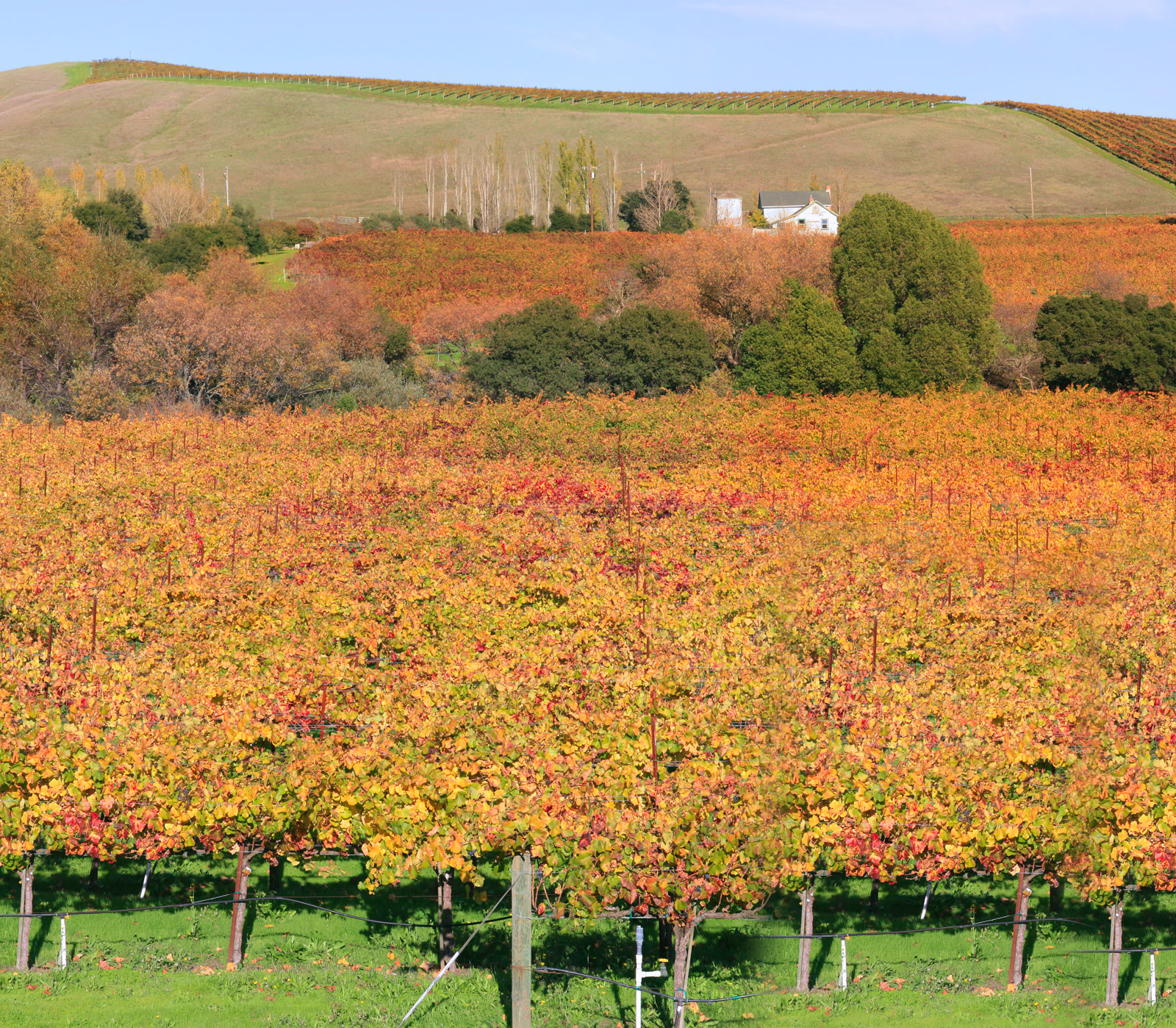
The rule that decides the day is the reservation. Most Napa wineries now require advance bookings, and the popular estates fill two to four weeks ahead, especially on weekends. Assume you need a reservation everywhere; walk-ins survive mainly in the downtown Napa tasting rooms. A standard tasting runs 60 to 90 minutes and $50 to $75 per person is a realistic budget, so cap the day at three wineries and book them in order, south to north, so you are not doubling back on Highway 29. Sonoma is more forgiving: the town’s plaza tasting rooms are easier to walk into, and Buena Vista, founded in 1857, is California’s oldest premium winery.
You do not need a car to do this trip, and if you plan to taste, you should not drive. The honest options are a guided day tour from San Francisco, which picks you up in the city and handles the bookings, or the ferry from the Ferry Building to Vallejo and a local bus into Napa. Rideshare works between wineries, but the valley is spread out and the bill adds up fast. Book the tastings before the transport: the wineries are the part that sells out.
Point Reyes: the wild coast
Point Reyes is about 30 miles north of San Francisco, but it feels like the edge of the map. The drive takes an hour to an hour and a half: Highway 1 up the coast from Mill Valley, or Highway 101 to Sir Francis Drake Boulevard through Fairfax and San Anselmo. Entry is free. It is 71,000 acres of open headland, beach and forest, and it runs on its own rules: no gas stations inside the park, so fill up before you leave the main road, and cell service is patchy, so download your maps.
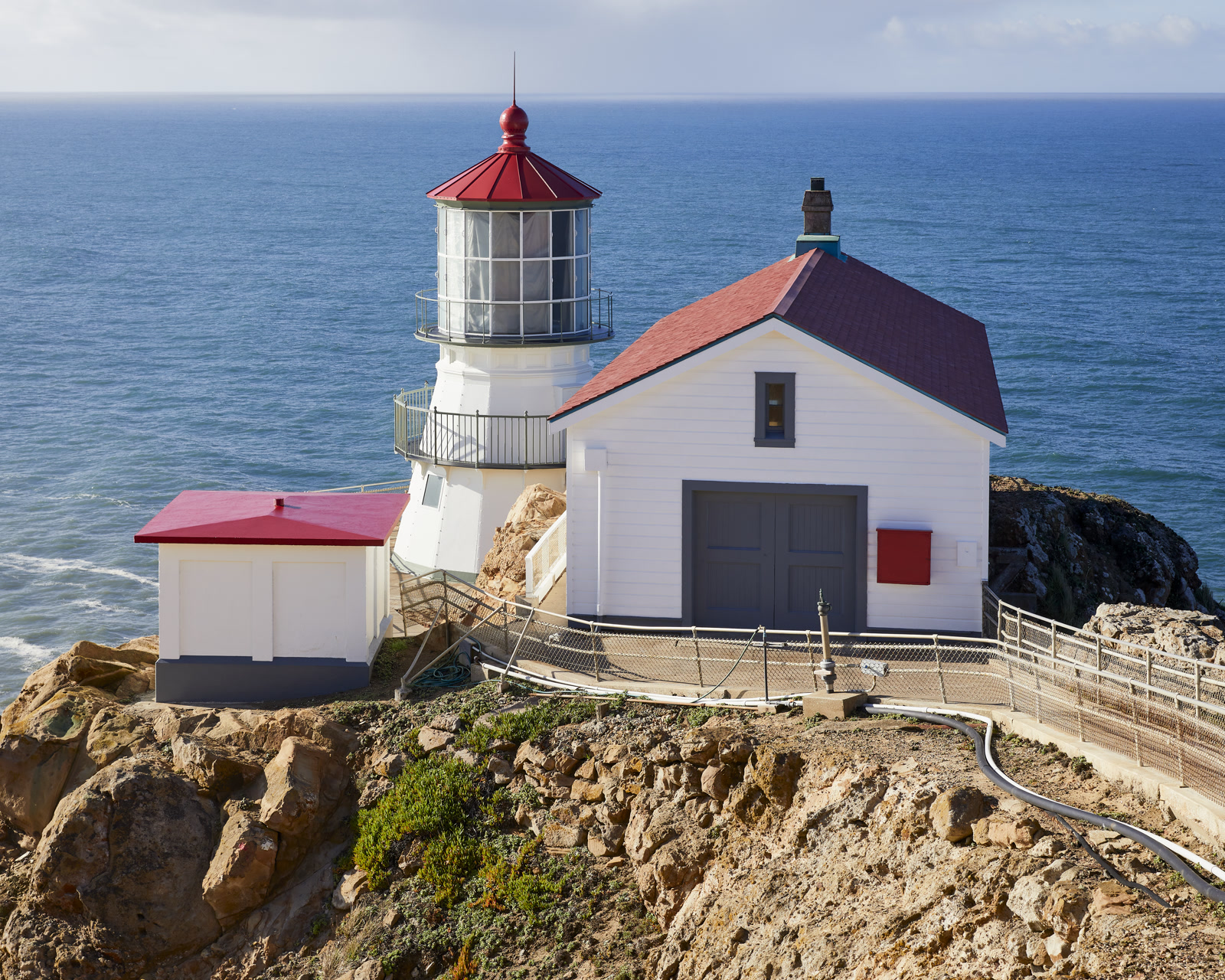
The day has a natural order. Start at the Bear Valley Visitor Center near Olema, then drive Sir Francis Drake Boulevard out to the lighthouse. The lighthouse is from 1870, and the walk down is about 300 steps — the stairs are only open on limited days, roughly 10 a.m. to 4:30 p.m., and they close in high wind, so check the park’s page before you count on them. On the way back, stop at the Cypress Tree Tunnel and at Drakes Beach, the long sweep of sand on the sheltered side of the point. In winter, elephant seals haul out on the beaches near Chimney Rock, and parts of the coast close to protect them. From January to April, the headlands are one of the best places on the California coast to watch grey whales. The coast is often 10 to 15 degrees cooler than inland, and summer fog is normal, so bring a layer.
Half Moon Bay and the Highway 1 drive south
Half Moon Bay is the shortest drive on this list and the easiest to underestimate. It is about 30 miles south of San Francisco, roughly 45 minutes down Highway 1 through Pacifica, and the road is part of the trip: pull over at Devil’s Slide, where the highway runs along the cliff above the ocean. The town is a surf town with a working harbour, and Half Moon Bay State Beach runs for four miles along the coast. It is a walking beach, not a swimming beach — the water is cold and the surf is strong. Walk it, watch the surfers at Mavericks, the big-wave break off Pillar Point, and eat lunch on the harbour.
The town’s other claim is October, when the pumpkin festival fills the town and the farms around it. Come in October for the festival and the clearest autumn light; come in summer and you get the fog. If you have the whole day, keep driving south: Pigeon Point Lighthouse, 115 feet tall, stands about 25 miles further down the coast, and Santa Cruz is another hour beyond that.
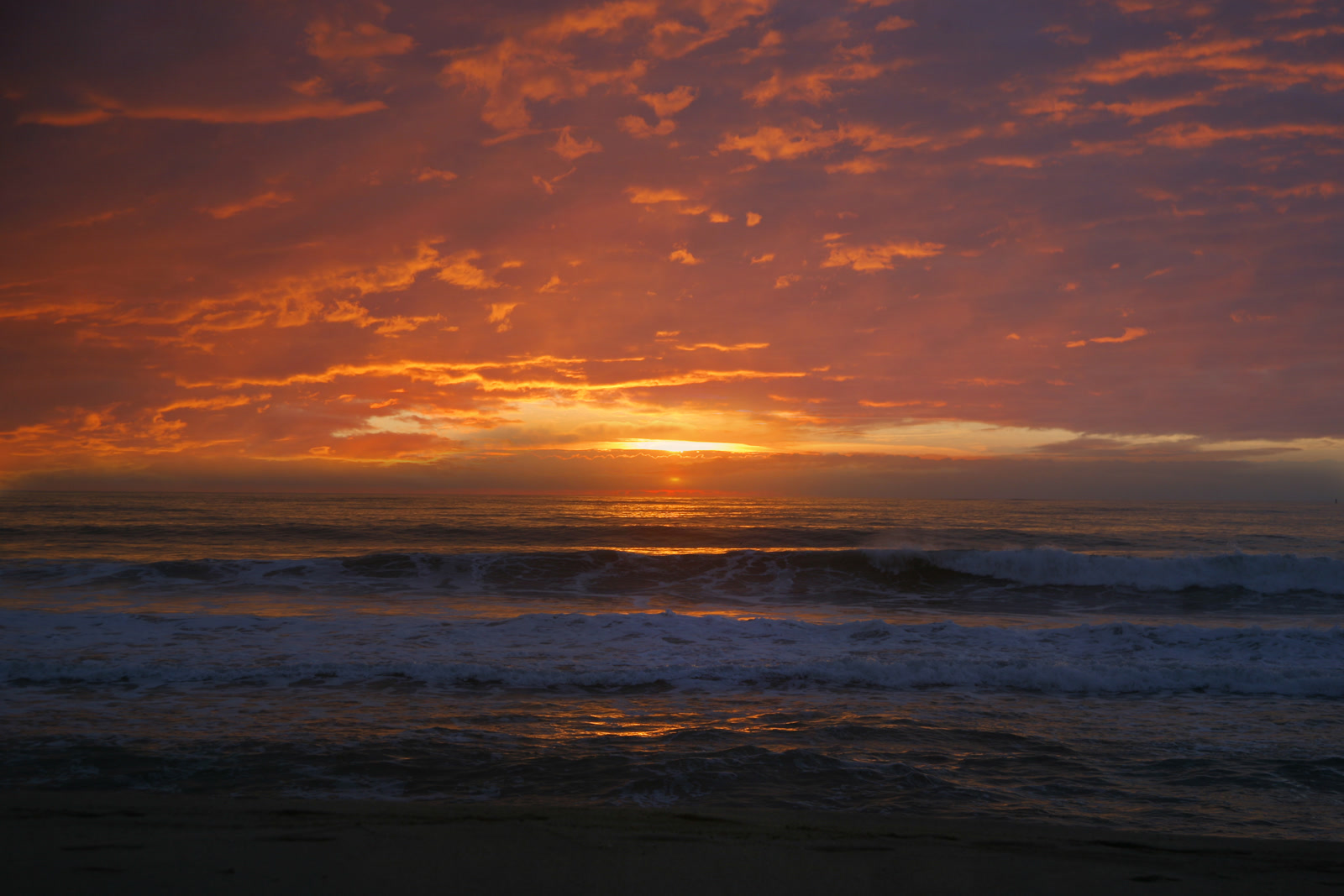
Monterey and Carmel: the long day that earns it
Monterey is about 120 miles south of San Francisco, and the drive takes two to two and a half hours each way — two hours on Highway 101 through San Jose and Salinas, or two and a half to three on the scenic Highway 1 through Half Moon Bay and Santa Cruz. Leave by 8 a.m. and you get six or seven hours on the ground; leave at 10 and the day is mostly driving.
Start at the Monterey Bay Aquarium on Cannery Row. It opens at 10 a.m. — hours vary by season — and adult tickets are $65, with $50 for youth and seniors and free entry for children under 4. Buy online in advance: tickets are dated, and weekends sell out. Give it three hours, then walk Cannery Row, the old sardine-cannery street John Steinbeck made famous, and eat lunch facing the bay. In the afternoon, drive 17-Mile Drive, the private toll road through Pebble Beach, past the Lone Cypress to Carmel-by-the-Sea, four miles south of Monterey. Carmel is a walkable village of art galleries and cottage-style shops, and its beach is the place to end the day. If you have an hour to spare, Point Lobos, just south of Carmel, has sea otters in its coves. Drive back on Highway 1 if you still have light; take Highway 101 if you do not.
Getting there: ferry, bus, tour or rental car
The transport decides the trip, so pick it before you pick the destination. The ferry is the best way to do the two bay trips: Sausalito and Angel Island both leave from the Ferry Building. A Clipper card cuts the fare on both routes, so get one before your first sailing. The bus is the weakest option: there is a bus to Point Reyes from San Rafael, but it does not reach the lighthouse or the beaches, and there is no useful bus to the wine country or the coast. A guided tour is the right answer for Napa and Sonoma if you plan to taste, and for Monterey if you would rather not drive four to five hours in a day.
A rental car is the right answer for Point Reyes and Half Moon Bay, and the flexible answer for everything else. Rent for the day, and remember the two things that catch people out: the Golden Gate Bridge toll is electronic, with no cash booths, and there is no gas inside Point Reyes. Parking in San Francisco is expensive and scarce, so pick up and return the car on the same day.
FAQ
Which San Francisco day trip is easiest?
Muir Woods and Sausalito. The woods are half an hour north, the walk is flat, and the ferry back drops you at the Ferry Building. It is the only trip that works as a half day with no car.
Do I need a car for a San Francisco day trip?
Not for the first two: Muir Woods and Sausalito work by ferry, and Angel Island is ferry-only. Napa and Sonoma work by tour or ferry and bus. Point Reyes, Half Moon Bay and Monterey need a car.
Do I need reservations for Muir Woods?
Yes. Entry is $15 per person aged 16 and over, and every vehicle needs a parking reservation booked in advance at GoMuirWoods.com. The shuttle needs one too, and it runs seasonally.
How far in advance should I book Napa wineries?
Two to four weeks for the popular estates, longer on harvest weekends in August to October. Walk-ins are the exception, not the rule.
Can I do Monterey as a day trip from San Francisco?
Yes, but it is a long day: two to two and a half hours each way. Leave by 8 a.m., take Highway 101 down and Highway 1 back if you still have light, and pick two stops — the aquarium and Carmel.
The Short Version
The easiest San Francisco day trips, in order: Muir Woods and Sausalito, Angel Island, Half Moon Bay, Napa and Sonoma, Point Reyes, and Monterey and Carmel. Book Muir Woods parking and Napa tastings before anything else, take the ferry where the ferry goes, and rent a car for the coast. If you have not planned the city days yet, our San Francisco Itinerary is the base plan to build these trips around: San Francisco Itinerary.