
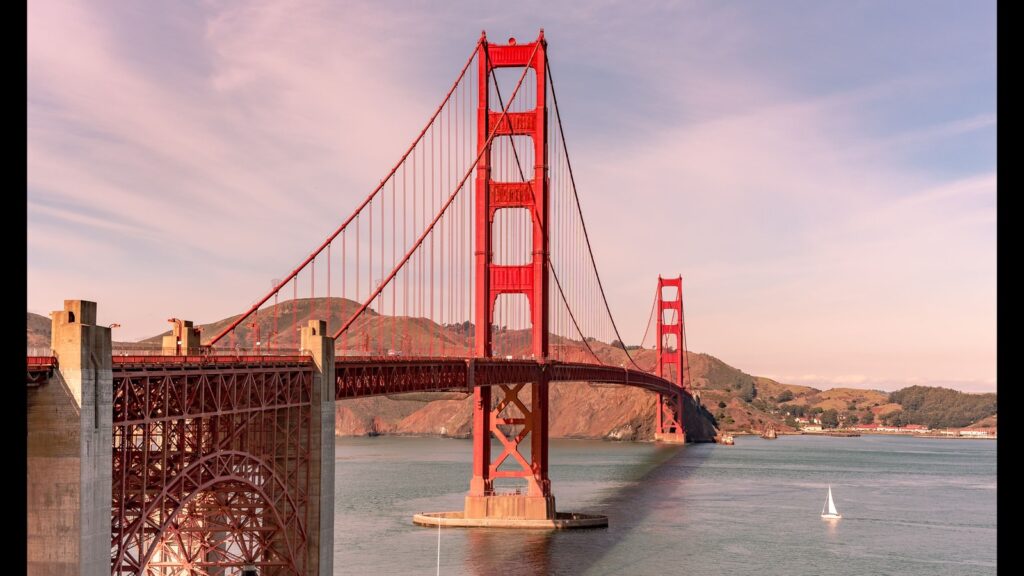
San Francisco is a small city with a big reputation, and that is exactly why it rewards a plan. The sights are close together — Union Square to Chinatown is a seven-minute walk — but the hills, the fog, and the lines at the cable cars can eat a day if you wing it. This San Francisco itinerary gives you a realistic route for one, two, or three days, with real prices checked on 10 November 2026, so you know what the trip costs before you go.
The short answer: two days covers the essentials — the bridge, a cable car, the Wharf, Chinatown, and Golden Gate Park. One day works if you are passing through and stick to the greatest hits. Three days is the comfortable version, with Alcatraz and a slower pace. Everything below is built around that.
How Many Days Do You Need in San Francisco?
It depends on how much standing in line you enjoy. San Francisco’s headline sights are not far apart, but Alcatraz takes half a day, Golden Gate Park deserves half a day, and the city is built on hills that slow every walk. Here is the honest comparison.
| 1 day | 2 days | 3 days | |
|---|---|---|---|
| What you see | Union Square, Chinatown, Fisherman’s Wharf, one cable car ride, Golden Gate Bridge viewpoint | Everything in 1 day, plus Golden Gate Park and the Mission District | Everything in 2 days, plus Alcatraz and Lands End — or a Napa day trip |
| Pace | Fast, no lingering | Comfortable | Relaxed, with time for a museum |
| Best for | A stopover or a cruise day | Most first-time visitors | Anyone who wants the full city |
| Rough cost per person | About $224 before food | About $446 before food | About $379 before food (see the cost table below — the 3-day transport pass and hotel work out cheaper per day) |
Two days is the sweet spot for most people. One day is doable but you will skip either the park or the bridge walk. Three days is the version where San Francisco stops feeling like a checklist.
Day 1: Downtown, the Piers and Chinatown
Start at Union Square, the city’s downtown hub. From there it is a 0.3-mile, seven-minute walk up Grant Avenue to the Dragon Gate, the entrance to Chinatown — the oldest Chinatown in North America, and still a working neighbourhood of markets, bakeries, and tea shops rather than a theme park. Walk Grant Avenue, duck down a side alley or two, and keep going north.
Chinatown runs into North Beach, the old Italian quarter, and from there the streets slope down toward the water. This is the walk that makes Day 1 work: downtown to the bay on foot, downhill most of the way, with the city changing character every few blocks.
End the afternoon at Fisherman’s Wharf and Pier 39. Watch the sea lions at Pier 39, walk the piers, and take the cable car back uphill — the Powell–Hyde line runs from the Wharf to Powell Street, and it is the ride to take if you only take one. A single cable car ride costs $9.00, which is why the transport pass in the cost section below matters: a 1-Day Visitor Passport is $15 and covers unlimited cable cars, buses, and streetcars.
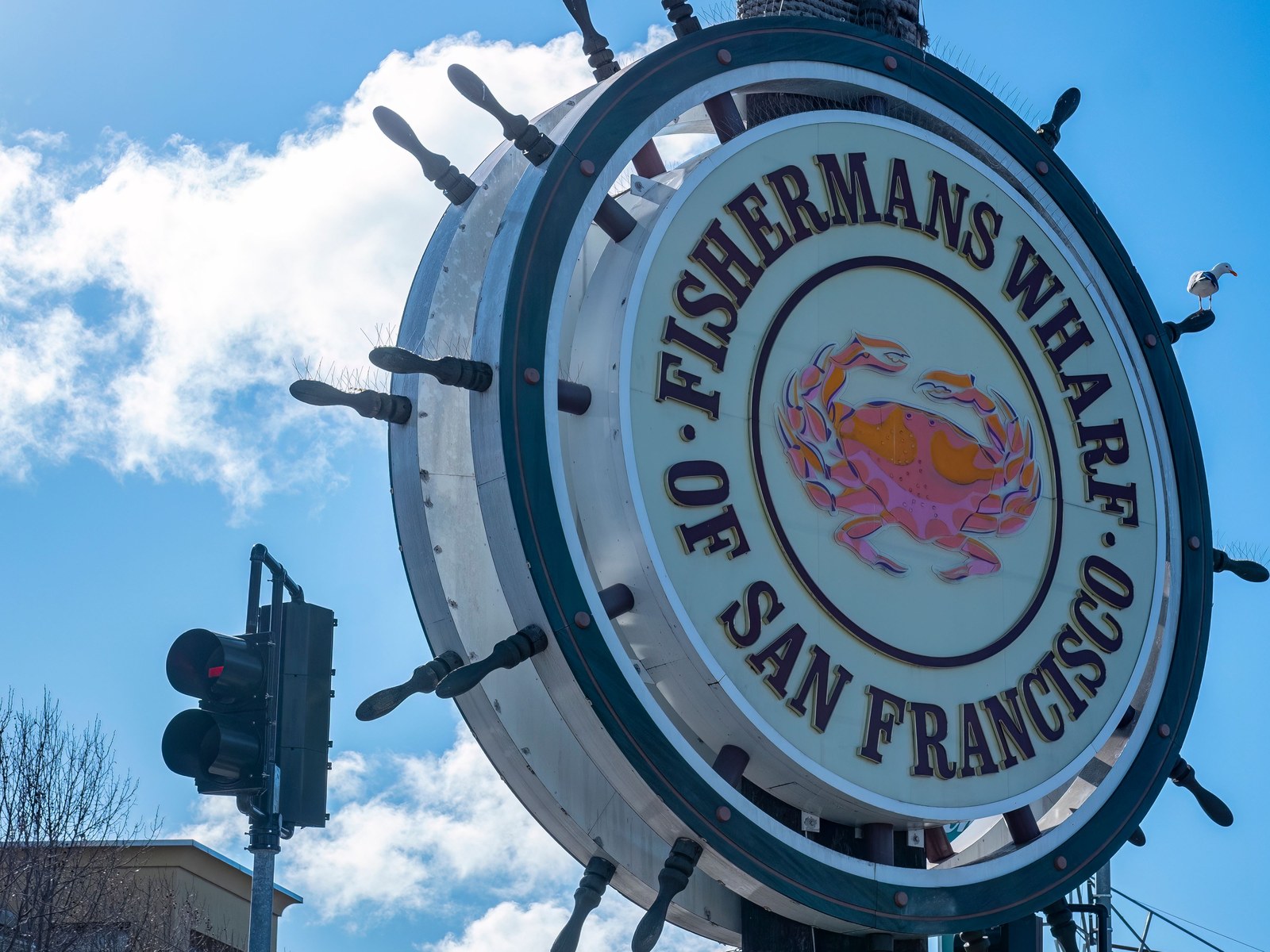
Day 1 is the day to get your bearings. Stay central — Union Square or the Wharf — and do not try to add the bridge. It has its own morning.
Day 2: Golden Gate, Golden Gate Park and the Mission
Start early at the Golden Gate Bridge. Walking across is free — the toll applies to vehicles only, and only southbound into the city. Pedestrians use the East Sidewalk, open 5 a.m. to 6:30 p.m. in winter and 5 a.m. to 9 p.m. in summer daylight hours. The walk from Fisherman’s Wharf to the bridge’s south end is 4.0 miles and about an hour and a half on foot, so most visitors take a bus to the bridge instead and walk the span itself, which takes about 30 to 45 minutes each way. Go in the morning: the fog usually burns off by late morning, and the bridge is quieter before the tour buses arrive.
From the bridge, head to Golden Gate Park — bigger than Central Park, and the home of the city’s two best museums. The California Academy of Sciences is a natural history museum, aquarium, and planetarium under one living roof; general admission is $49 for adults, or $55 at peak times, which includes summer. Children aged 3 to 12 are $39, or $45 at peak. Across the plaza, the de Young museum charges $25 for adults, and anyone 17 and under gets in free. Pick one museum and give it two unhurried hours rather than rushing both.
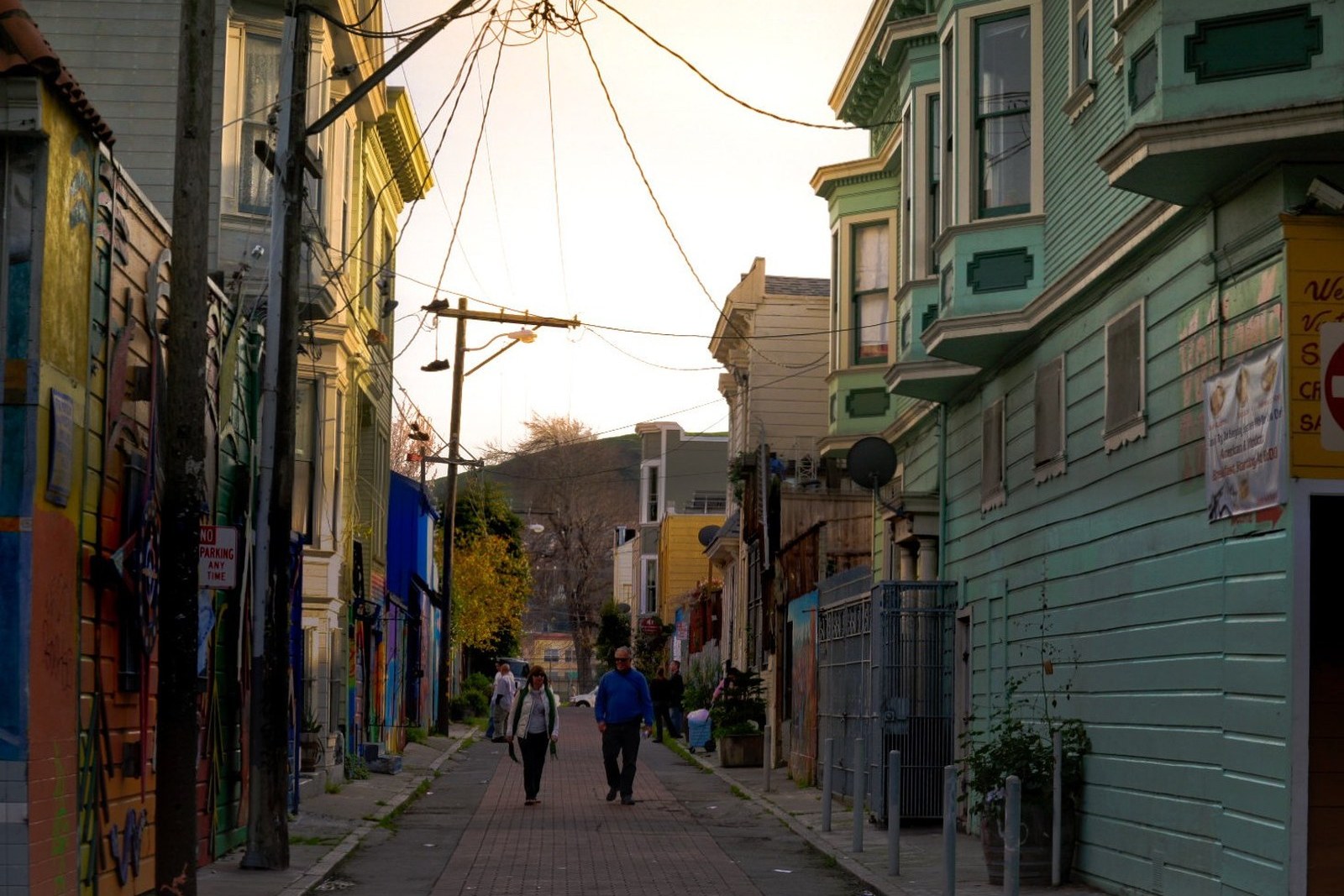
Finish the day in the Mission District, the city’s oldest neighbourhood and its best for an evening walk and dinner. The Mission murals — especially Balmy Alley — are free to see from the street, and the area’s taquerias and bakeries are where San Franciscans actually eat. It is a different city from the Wharf, and that contrast is the point of Day 2.
Day 3: Alcatraz, Lands End, or a Napa Day Trip
Day 3 belongs to Alcatraz, the trip’s one true half-day commitment. The ferry from Pier 33 takes you to the island, the audio tour of the Cellhouse takes about 45 minutes, and the whole visit runs two to two and a half hours. A Day Tour ticket costs from $47.95 for adults and from $29.15 for children aged 5 to 11, including the round-trip ferry and the audio tour. A family pack for two adults and two children is $139.60. The Night Tour, from $59.65 for adults, adds sunset views and special evening programs.
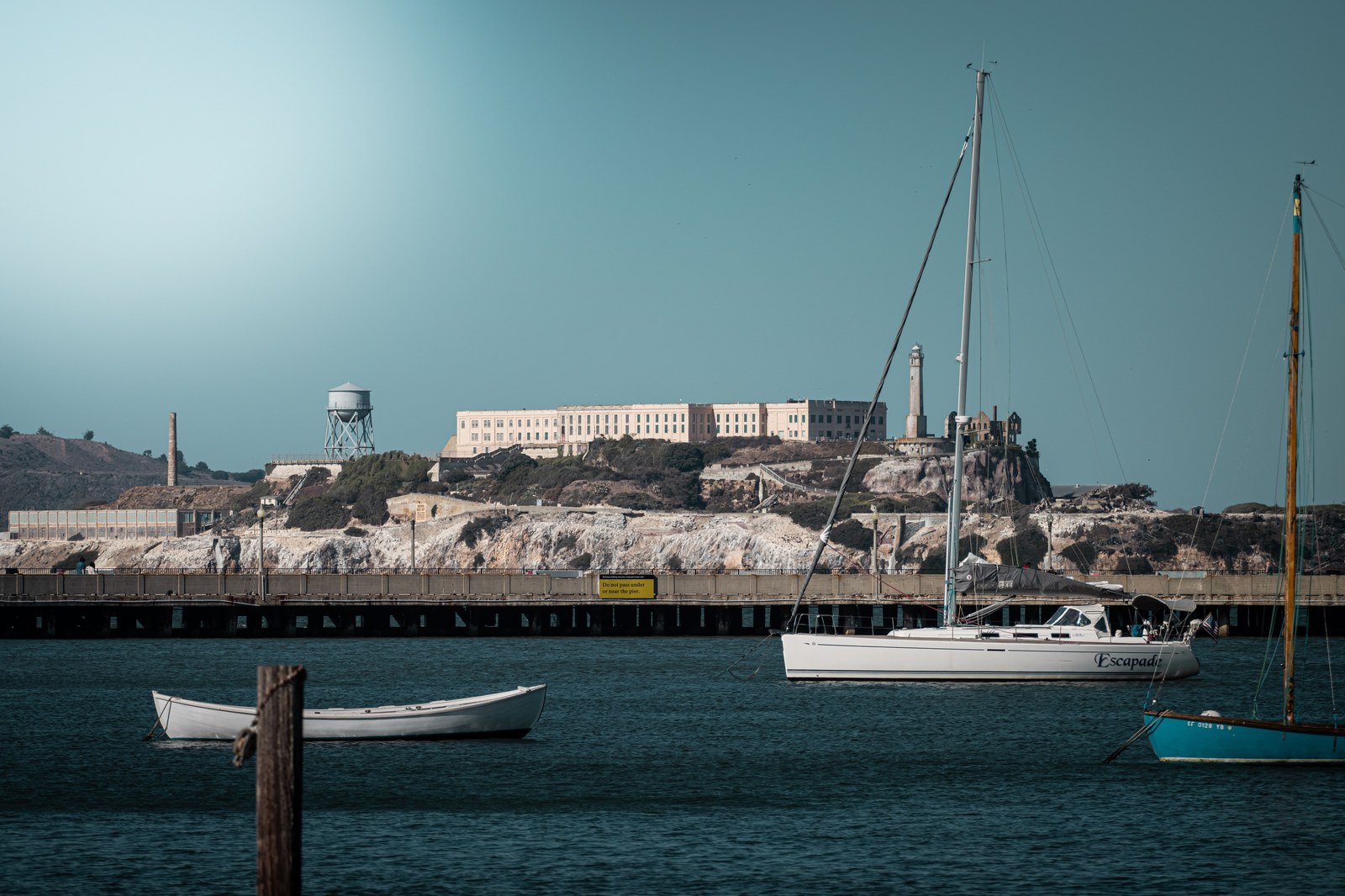
Two things to know before you plan around it. First, popular times sell out quickly, so book as early as you can — the official operator says so itself, and it does not publish a specific “book this many weeks ahead” figure. Second, the island was temporarily closed when prices were checked on 10 November 2026, with reopening announced for 19 November 2026. Check the official Alcatraz City Cruises site before you book, and do not build a tight itinerary around a date before the reopening.
If Alcatraz does not fit — or if you want a quieter third day — walk the Lands End trail instead. It runs along the cliffs at the city’s northwest corner, with views of the bridge and the Pacific, and it costs nothing. The other Day 3 option is a Napa day trip: a full day out of the city, best done by tour or car, since the wine country is about an hour and a half away and public transport there is thin.
What a 3-Day Trip Costs
Here is a full 3-day budget for one person, based on two adults sharing a room and the prices verified on 10 November 2026. The hotel figure is a single representative example — the Pickwick Hotel at Union Square, 9 to 12 July 2027 — not an average.
| Item | Cost per person |
|---|---|
| BART, SFO airport to downtown and back | $23.60 |
| Muni 3-Day Visitor Passport (buses, streetcars, cable cars) | $35.00 |
| Alcatraz Day Tour | $47.95 |
| California Academy of Sciences (peak admission) | $55.00 |
| Hotel, 3 nights at the Pickwick, per person sharing | $217.38 |
| Subtotal (verified prices) | $378.93 |
| Food, 3 days (estimate — see note) | $150–$225 |
| Total per person, 3 days | About $529–$604 |
The food line is an estimate, not a verified price: roughly $50 to $75 per person per day for casual meals, coffee, and snacks. A sit-down dinner every night pushes it higher; grocery breakfasts and taqueria lunches pull it lower.
Two things in that table are worth noticing. First, the 3-Day Visitor Passport at $35 pays for itself fast: four single cable car rides at $9 each would cost $36 on their own, before a single bus. Second, the hotel is the biggest line by far — $217.38 per person for three nights, including the 17.5% tax, on the $370 before-tax rate. The same three nights would cost $434.75 including tax for the room. Breakfast at the hotel is $23 extra, so eating out is usually the better deal.
For one day, the same unit prices give roughly $224 per person before food: BART return $23.60, a 1-Day Passport $15, the Exploratorium at $39.95, and one hotel night at about $145 including tax. Two days comes to roughly $446 before food. The 3-day trip is cheaper per day because the passport and the hotel rate stretch further.
Getting Around San Francisco
You do not need a car in San Francisco, and for most visitors a car is a liability: parking is scarce and expensive, and the hills are punishing for unfamiliar drivers. The city is built for transit and walking.
Your route map for the trip: the Day 1 walk from Union Square to Chinatown’s Dragon Gate is 0.3 miles and 7 minutes, mostly flat; the Day 2 walk from Fisherman’s Wharf to the Golden Gate Bridge is 4.0 miles and about an hour and a half, which is why the bus is the sensible choice for that leg.
The practical rules are simple. Get a Clipper card or use contactless payment for BART: the SFO to downtown fare is $11.80 one way with Clipper, the same to Embarcadero and Powell Street, and the standard fare without Clipper is higher. Buy the Visitor Passport on the MuniMobile app — it is only sold there, not on the bus. The 1-Day pass is $15, the 3-Day is $35, and the 7-Day is $47, and all of them include cable cars.
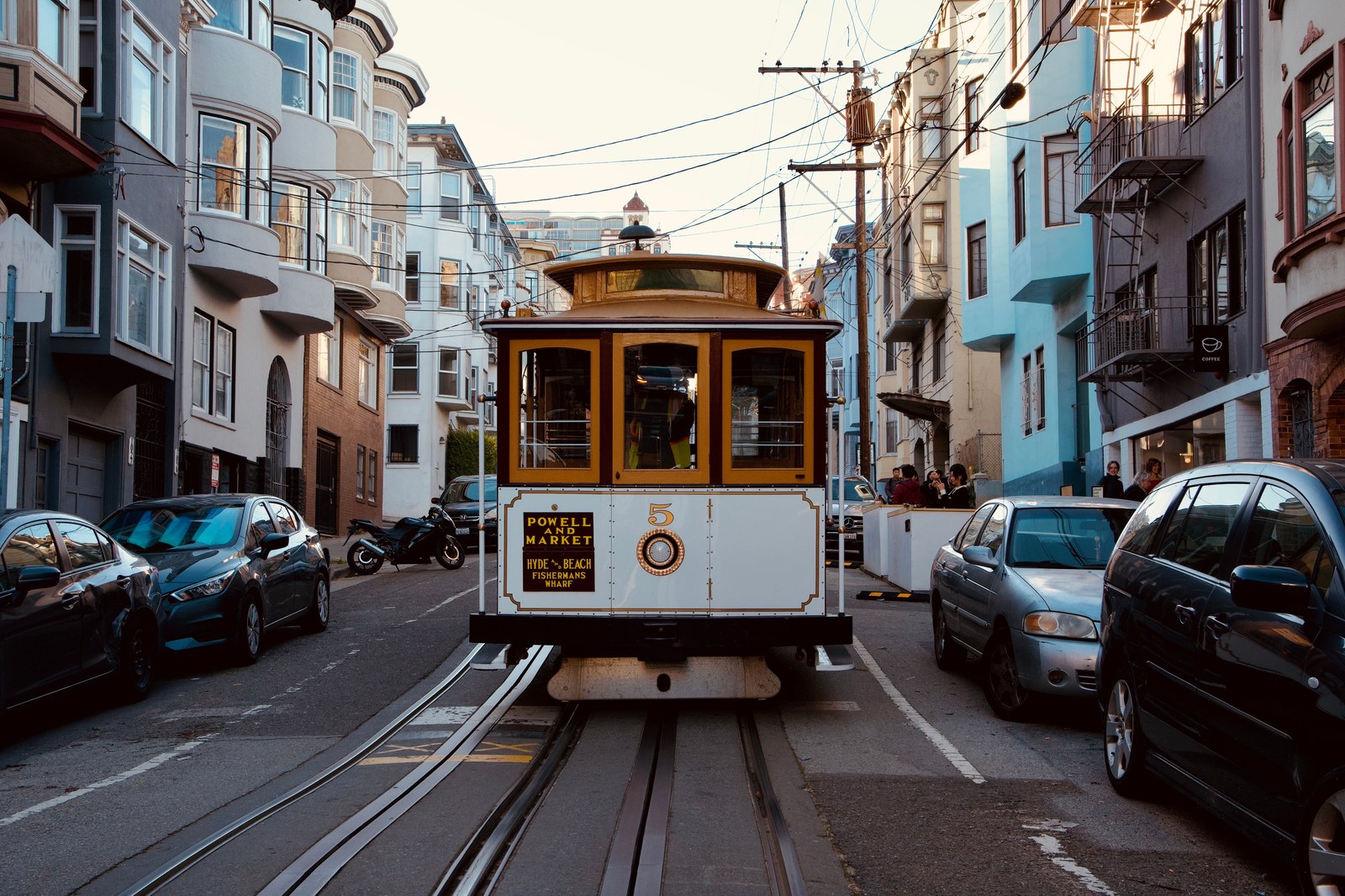
A single Muni ride is $2.85 with Clipper or contactless, $3.00 in cash, and is valid for 120 minutes after you first board. If you drive in, remember the Golden Gate Bridge toll is southbound only — $10.25 with FasTrak, $10.50 by licence plate — and there are no cash booths.
When to Go: Fog, Seasons and the Best Months
San Francisco’s weather surprises first-timers more than anything else in this guide. The city does not have a real summer in the way most of the USA does. June, July, and August bring highs of 66 to 68°F with almost no rain — but also the fog. Summer is prime season for “Karl the Fog,” the marine layer that rolls in off the Pacific and sits over the bridge and the western neighbourhoods, cooler and breezier near the water.
The warmest months are September and October, with average highs near 70°F — September averages 70.2°F and October 69.8°F. That is the sweet spot: the fog thins, the days are warm, and the crowds ease after the summer peak. If your dates are flexible, aim for September or October. If you come in summer, pack a layer even when the forecast says 70°F, and plan the bridge walk for late morning, after the fog has had a chance to lift.
Where to Stay
Stay central and you will walk more and wait less. Three areas cover most trips.
Union Square is the best base for a first visit: downtown, on the BART and Muni lines, and walkable to Chinatown. The Pickwick Hotel on Fifth Street is a representative mid-range example — $123 a night, $370 for three nights before tax, $434.75 including tax, for two adults in July 2027, with free cancellation before 7 July 2027.
Fisherman’s Wharf suits families and anyone who wants the water in view: closer to the piers, Alcatraz ferries, and the cable car terminus, but further from downtown dining and transit.
The Mission or SoMa suits travellers who want the city’s neighbourhoods rather than its postcards: better food, lower prices than Union Square, and a short bus or rideshare from downtown.
Frequently Asked Questions
How many days do you need in San Francisco?
Two days covers the essentials — the bridge, a cable car, the Wharf, Chinatown, and Golden Gate Park. One day works for a stopover if you stick to the greatest hits. Three days is the comfortable version, with Alcatraz and a slower pace.
Is 3 days enough for San Francisco?
Yes, for the city itself. Three days covers the bridge, the park, the Mission, and Alcatraz. Add a fourth day if you want Napa, Muir Woods, or a second day in Golden Gate Park.
What are the five must-do things in San Francisco?
Walk the Golden Gate Bridge, ride a cable car, take the Alcatraz Day Tour, spend an afternoon at Fisherman’s Wharf and Pier 39, and give Golden Gate Park or the Mission murals an unhurried half day.
What are the hidden gems?
The Lands End trail at the city’s northwest corner, the murals of Balmy Alley in the Mission, and the Ferry Building on the Embarcadero — all free to walk, and all places where the city feels like itself rather than a postcard.
What does a 3-day trip to San Francisco cost?
About $529 to $604 per person, based on prices verified on 10 November 2026: $378.93 in verified transport, tickets, and hotel (two sharing a room), plus an estimated $150 to $225 for food over three days.
The Short Version
San Francisco is a two-day city with a three-day soul. Give it two days and you will see the bridge, ride a cable car, walk Chinatown, and eat well in the Mission. Give it three and you get Alcatraz, a museum done properly, and time to walk without a schedule. Come in September or October if you can, buy the 3-Day Visitor Passport before you arrive, book Alcatraz early — and check that it has reopened before you count on it. The city is small, steep, and foggy, and that is exactly what makes it worth the walk. Planning a wider trip? Start with our guide to the best places to visit in the USA. For another city trip in the same day-by-day format, see our 3-day New York City itinerary.
Prices and sources
All prices checked 10 Nov 2026 on official sites. Prices are “from” prices and may change; check the linked source before booking.
- Alcatraz Day Tour from $47.95 adult / $29.15 child; Night Tour from $59.65 adult — https://alcatrazcitycruises.com/tickets/alcatraz-day-tour — https://alcatrazcitycruises.com/tickets/alcatraz-night-tour — Note: island temporarily closed at check; reopening announced 19 Nov 2026.
- Muni fares and Visitor Passports (1-Day $15, 3-Day $35, 7-Day $47; single ride $2.85 Clipper / $3.00 cash) — https://www.sfmta.com/getting-around/muni/fares
- Cable car single ride $9.00 — https://www.sfmta.com/getting-around/muni/fares
- Golden Gate Bridge tolls (southbound only; FasTrak $10.25) and pedestrian access — https://www.goldengate.org/bridge/tolls-payment/ — https://www.goldengate.org/bridge/visiting-the-bridge/bikes-pedestrians/
- California Academy of Sciences ($49 standard / $55 peak adult) — https://www.calacademy.org/buy-tickets
- Exploratorium ($39.95 adult) — https://www.exploratorium.edu/tickets
- de Young ($25 adult; 17 and under free) — https://www.famsf.org/visit/de-young-tickets-hours
- BART SFO to downtown $11.80 one way with Clipper — https://www.bart.gov/tickets/calculator
- Hotel example: The Pickwick Hotel, Union Square, 3 nights 9–12 Jul 2027, $370 before tax / $434.75 including 17.5% tax — https://www.booking.com/hotel/us/the-pickwick-san-francisco.html
- When to go (September–October warmest; summer fog) — https://www.sftravel.com/info/what-to-pack-san-francisco-month-month
- Walking routes: Union Square to Chinatown Dragon Gate (0.3 mi, 7 min); Fisherman’s Wharf to Golden Gate Bridge (4.0 mi, 1 hr 30 min)