
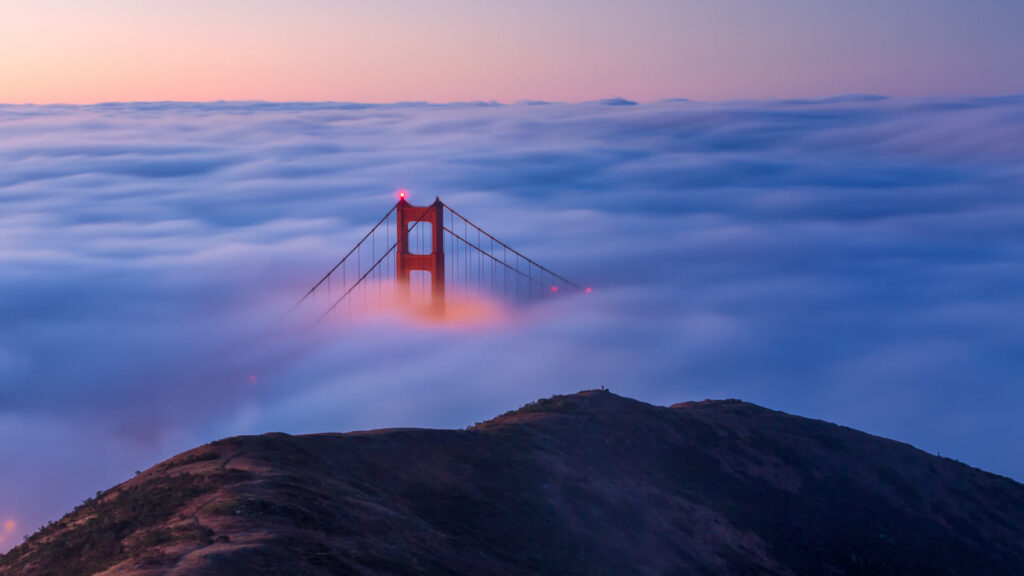
San Francisco is not a city you see in a single list. It is six small cities sharing one peninsula: the bridge and the bay, the waterfront, Golden Gate Park, the old neighbourhoods, the museums and the hills in between. The best things to do in San Francisco work better grouped by pocket: pick the pockets that fit your trip and give each one its own half day. Every price and hour below was checked in November 2026.
One thing to know first: Alcatraz is closed right now. The island shut on 26 October 2026 while crews replace the pilings under the ferry dock, and tours are scheduled to resume on Thursday, 19 November — a target date, not a guarantee. If your trip is after that, book Alcatraz first: it is the one ticket in the city that sells out weeks ahead.
San Francisco in six pockets
The six pockets are the bridge and the bay, the waterfront, Golden Gate Park, the neighbourhoods, the museums and the hills. Three days covers four of them well; four days covers all six without rushing. The bridge and the park are at opposite ends of the city, so do not zigzag between them in one day. This list is organised so you can lift one pocket at a time.
San Francisco also has a season, and it is not summer. The fog rolls in most summer mornings and often stays all day — the locals call it Karl. The clearest skies come from September to November, when the fog lifts and the light turns gold. Whatever month you come, bring a jacket: the city is cold in July and the wind off the bay bites all year.
Book this first: Alcatraz and the timed tickets
Alcatraz is the one booking that decides the trip, because it is the only one you cannot fix on the day. Alcatraz City Cruises is the only company allowed to land on the island, and its ferries leave from Pier 33. Tickets go on sale 90 days out, and in summer they sell out weeks ahead. A Day Tour costs from $47.95 for adults aged 12 and over, $45.15 for seniors 62 and over, $29.15 for children aged 5 to 11, and under 5s go free; the Night Tour, Tuesday to Saturday, costs from $59.65. The ferry takes 12 to 15 minutes each way, and the whole Day Tour takes two and a half to three hours, including the cellhouse audio tour — the part worth the trip.
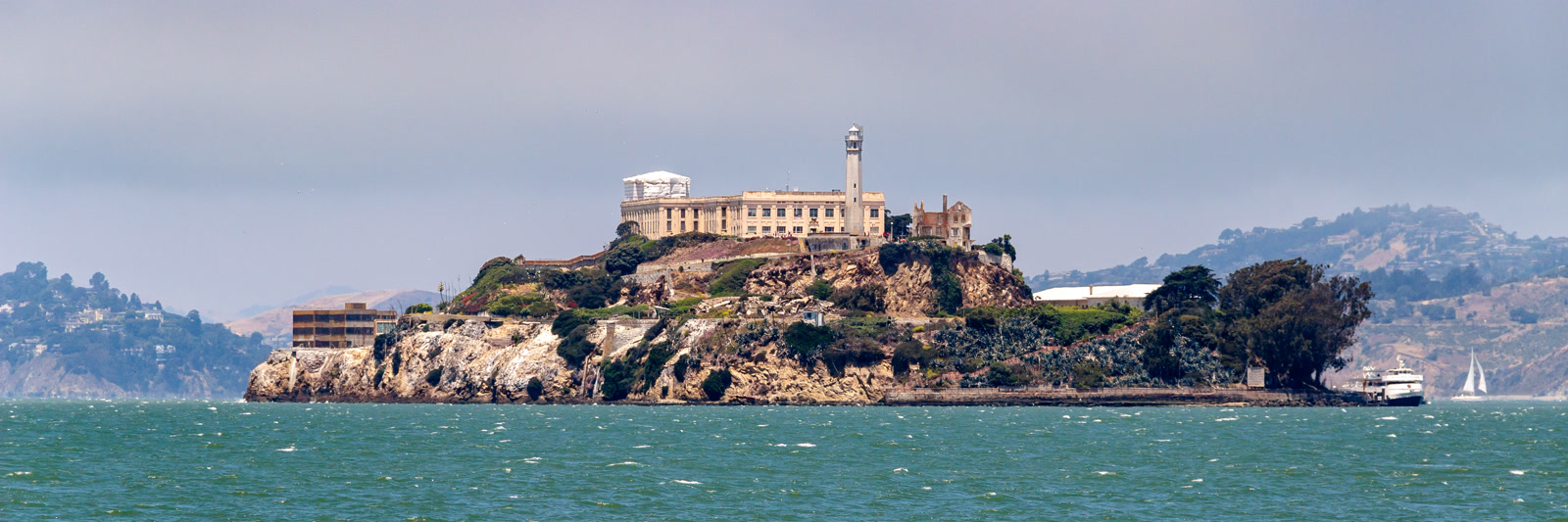
Right now, though, the island is closed. The National Park Service shut it from 26 October to 18 November 2026 while crews replace the pilings holding up the ferry dock, and tours are scheduled to resume on Thursday, 19 November. That date depends on construction and the weather, so check it before you travel — and do not book a non-refundable hotel around it. The island also closes every year on Thanksgiving Day, Christmas Day and New Year’s Day, so a trip in the week after reopening still needs to avoid Thursday, 26 November. If Alcatraz is sold out, the 90-minute Bay Discovery Cruise loops past the island for photographs without landing — a consolation, not a substitute.
The bridge and the bay: Golden Gate, Crissy Field and the Presidio
The Golden Gate Bridge opened in 1937 and is 1.7 miles long, and it is still the best thing in the city that costs nothing: walking or cycling across it is free. Driving across is not — the toll is collected southbound only, into the city: $10.25 with FasTrak, $10.50 with a license plate account or one-time payment, and $11.25 by invoice, after the increase on 1 July 2026. There is no cash booth, and driving north is free.
The bridge is a walk, not a drive-by: start at the south end near the Welcome Center, walk to the middle tower and back. The best viewpoints are not on the bridge at all. Crissy Field, at the foot of the Presidio, frames the bridge over the beach, and Fort Point, the Civil War-era fort tucked underneath the south end, is free to enter. Across the water in Marin, Battery Spencer is the classic postcard angle. Go in the late afternoon, when the fog has usually burned off and the light on the red steel is at its best.
The Presidio is worth half a day: a former military post, now a national park site of forest and trails, with the bay on one side and the city on the other. Walk the Batteries to Bluffs Trail from Baker Beach to the bridge for the quiet version of the same view.
The waterfront: Fisherman’s Wharf, Pier 39 and the Ferry Building
Fisherman’s Wharf is the tourist centre of the city, and it is worth half a day. Pier 39 is free to walk, and the sea lions on the K-dock are the real attraction: dozens of them pile onto the floating docks, barking and shoving each other off, and they are there most of the year. Ghirardelli Square, a few minutes’ walk west, is the old chocolate factory turned into shops and restaurants, and the sundae at the original shop is the one thing worth queuing for.
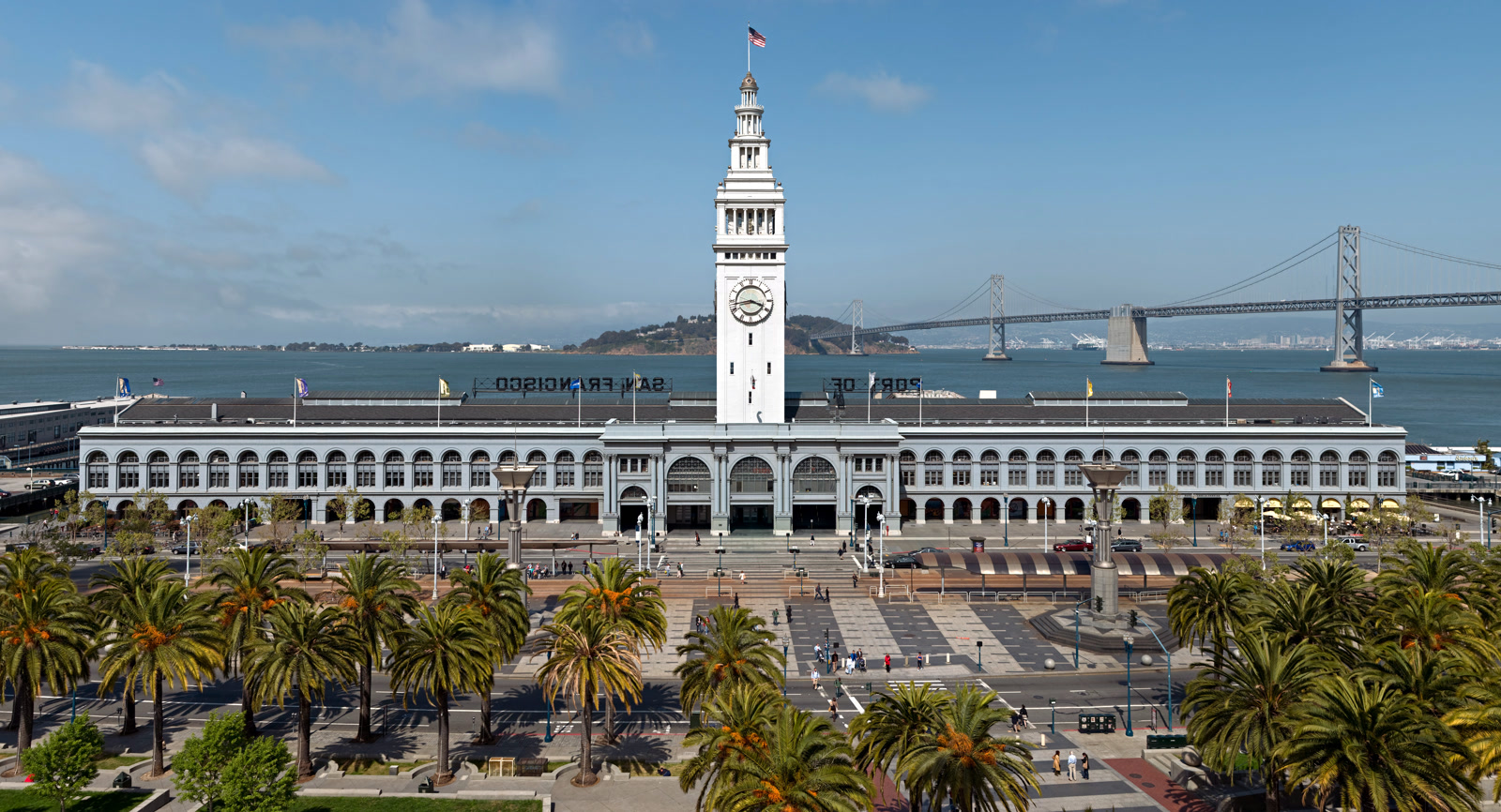
The Ferry Building is the better end of the waterfront. The 1898 building at the foot of Market Street holds a marketplace of Bay Area food makers, open 6 a.m. to 10 p.m. daily, though individual shops keep their own hours, and the whole marketplace closes on Thanksgiving Day and Christmas Day. The Ferry Plaza Farmers Market runs outside it year round: Saturdays from 8 a.m. to 2 p.m., with more than 100 vendors, and Tuesdays and Thursdays from 10 a.m. to 2 p.m. Saturday is the big day — go hungry and go early, because the crowds arrive by ten.
Golden Gate Park: a half day that earns its time
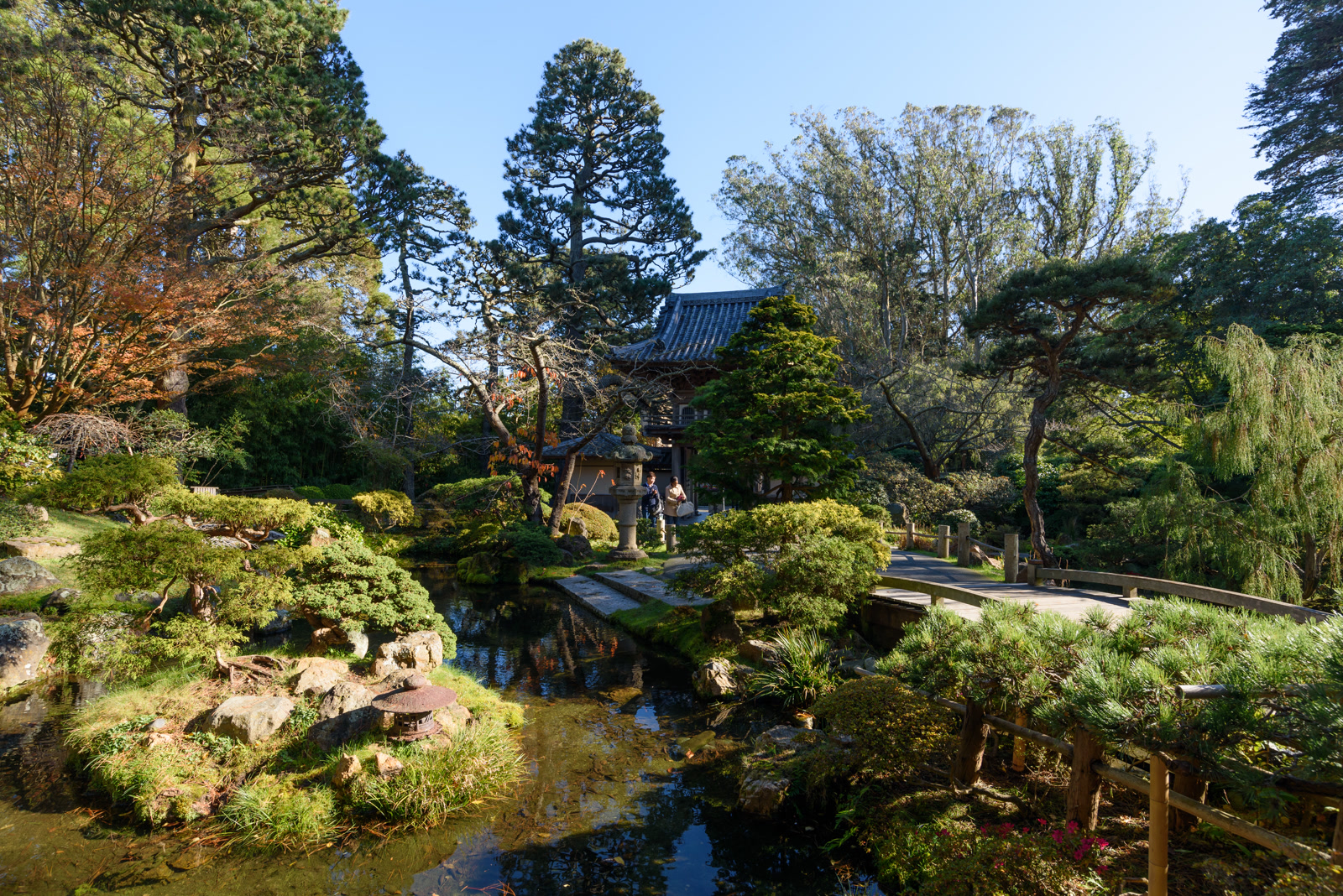
Golden Gate Park is 1,017 acres — bigger than Central Park — and it is the one place in the city where you can forget you are in a city at all. Give it half a day, not an hour. The Japanese Tea Garden is the quietest corner of it: five acres of ponds, stone lanterns and an arched drum bridge, built for the 1894 California Midwinter International Exposition and the oldest public Japanese garden in the United States. Non-resident adults pay $12 to $16 depending on the season, and entry is free for everyone from 9 to 10 a.m. on Mondays, Wednesdays and Fridays. The tea house serves matcha beside the koi pond, and cherry blossom season in March and April is the prettiest week in the park.
The rest of the park is free to walk. The Conservatory of Flowers, the white glass Victorian greenhouse near the eastern end, holds tropical plants inside, and the bison paddock in the western half has held a small herd since the 1890s. The California Academy of Sciences and the de Young Museum sit across the Music Concourse from each other in the middle of the park — both are in the museums section below. If you only have an hour, walk from the Tea Garden to the Conservatory and back through the trees.
The neighbourhoods: Chinatown, the Mission and Haight-Ashbury
San Francisco’s neighbourhoods are the city itself, and three of them are worth a half day each. Chinatown is the oldest in North America, and it is still a working neighbourhood, not a theme park. Enter through the Dragon Gate on Grant Avenue, walk Grant for the shops and Stockton for the markets. The fortune cookie factory on Ross Alley is a small working shop where you can watch cookies being folded by hand.
The Mission is the warmest, sunniest part of the city. The murals are the draw: Clarion Alley and Balmy Alley are covered in them, painted by neighbourhood artists over decades. Dolores Park, on the hill above the Mission, is where the city goes on a sunny afternoon. The food is the other reason to come: the Mission invented the burrito as San Francisco knows it, and the taquerias on Mission Street are the place to try one.
Haight-Ashbury is the 1967 Summer of Love, still visible in the Victorian houses and record shops on Haight Street — an hour of walking, including the Grateful Dead house at 710 Ashbury. Two postcard stops belong with the neighbourhoods: the Painted Ladies, across from Alamo Square, best in the morning light, and Lombard Street, the crooked block between Hyde and Leavenworth with eight hairpin turns — walk down it, not up.
Museums worth paying for, and the free ones
Three museums in San Francisco are worth paying for. The California Academy of Sciences, in Golden Gate Park, is an aquarium, a planetarium, a natural history museum and a rainforest under one living roof. Adults 19 and over pay $49, or $55 on peak dates; youth 13 to 18 pay $45 or $49, children 3 to 12 pay $39 or $45, and under 2s go free. It is open Monday to Saturday 9:30 a.m. to 5 p.m. and Sunday 11 a.m. to 5 p.m., with last entry at 4 p.m.
The Exploratorium, on Pier 15 on the Embarcadero, is the hands-on science museum: more than 600 exhibits you touch, build and break, and the best museum in the city for children over five. Adults 18 to 64 pay $39.95, youth 4 to 17 and seniors 65 and over pay $29.95, and children 3 and under go free. It is open Tuesday to Saturday 10 a.m. to 5 p.m. and Sunday noon to 5 p.m., and closed on Mondays.
The de Young Museum, also in Golden Gate Park, is the city’s big art museum, and it has the best free deal in San Francisco: the Hamon Observation Tower, 144 feet up with a view over the park and the city, costs nothing. Admission is $25 for adults, $22 for seniors, $10 for students, free for ages 17 and under. It is free on the first Tuesday of the month, for Bay Area residents on Saturdays, and the permanent collection is free daily after 4:30 p.m. It is open Tuesday to Sunday 9:30 a.m. to 5:15 p.m. and closed on Mondays.
The free ones are just as good. The Cable Car Museum, at 1201 Mason Street on Nob Hill, is the powerhouse that pulls every cable car in the city, and the Powell-Hyde and Powell-Mason lines stop at its door. The Palace of Fine Arts, in the Marina District, is free to walk around, and so is Fort Point, under the Golden Gate Bridge.
Getting around: cable cars, streetcars and walking the hills
San Francisco is a walking city with hills that punish the unprepared, and the cable cars exist for exactly that reason. A single ride costs $9 one way, with no transfers: get off and you pay again. Seniors and people with disabilities pay $4 before 7 a.m. or after 9 p.m., and children 4 and under ride free. There are three lines. Powell-Hyde runs from Powell and Market to Hyde and Beach near Ghirardelli Square, past Lombard Street — the postcard route. Powell-Mason runs from Powell and Market to Bay and Taylor, a few blocks from Fisherman’s Wharf. The California line runs along California Street from Market to Van Ness, and it is the one with the shortest queues. The Powell lines run from 7 a.m. to 11 p.m. daily, the California line from 7 a.m. to 9 p.m. One warning: the fare rises to $12 on 4 January 2027, so $9 is good through the end of 2026.
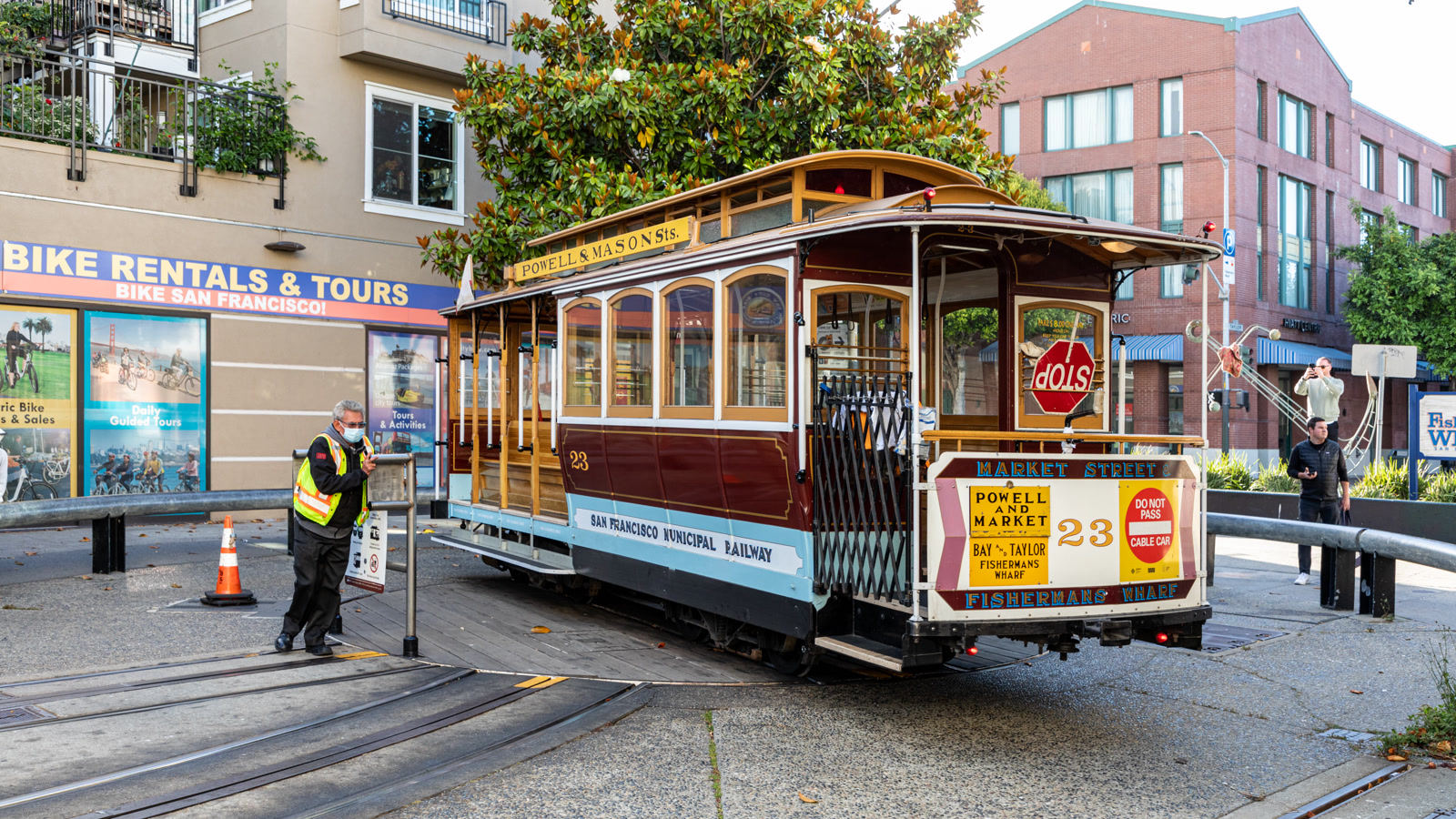
For everything else, the regular Muni fare is $2.85 a ride with a Clipper card or the MuniMobile app, and a 1-day Visitor Passport costs $21 and covers cable cars, buses and streetcars — worth it if you plan to ride a cable car more than twice. The F-line historic streetcars run along Market Street and the Embarcadero to Fisherman’s Wharf. Walking is the default: ride the cable car up and walk down. Driving is the worst option — parking downtown is scarce and expensive — so if you do drive, park at the Welcome Center and walk the bridge instead of driving it.
FAQ
Is Alcatraz open right now?
Not yet. The island is closed from 26 October to 18 November 2026 while crews replace the pilings under the ferry dock, and tours are scheduled to resume on Thursday, 19 November — a date that depends on construction and the weather, so check before you travel. The island also closes every year on Thanksgiving, Christmas Day and New Year’s Day.
How many days do you need in San Francisco?
Three days covers the bridge, the waterfront, one neighbourhood and one museum well. Four days covers all six pockets without rushing. Alcatraz and Golden Gate Park each take half a day, so do not try to fit either into an hour.
Is San Francisco expensive?
The museums and Alcatraz are the expensive parts: Alcatraz from $47.95, the California Academy of Sciences from $49, the Exploratorium $39.95. Everything else here is free.
Do I need a car in San Francisco?
No. The cable cars, Muni buses, streetcars and your feet cover the whole city, and parking is scarce and expensive. A car is only useful for day trips out of the city, to Muir Woods or the wine country.
When is the best time to visit San Francisco?
September to November, when the fog lifts and the skies are clearest. Summer is the foggiest season, and winter is the rainiest. Whatever the month, bring a jacket — the wind off the bay is cold all year.
The Short Version
The best things to do in San Francisco fall into six pockets: the bridge and the bay, the waterfront, Golden Gate Park, the neighbourhoods, the museums and the hills. Book Alcatraz first — closed until 18 November 2026, tours scheduled to resume on 19 November, tickets on sale 90 days out. Walk the Golden Gate Bridge for free, watch the sea lions at Pier 39, eat at the Ferry Building on a Saturday market day, spend half a day in Golden Gate Park, and walk Chinatown, the Mission and Haight-Ashbury. Pay for the Academy of Sciences or the Exploratorium, and take the free tower at the de Young. Ride one cable car up a hill and walk down. For a day-by-day plan, see our San Francisco Itinerary.