
Alaska is not a cruise where the ship is the destination. The ports are small, the days are short, and the best of the state sits beyond the dock — up on a glacier, out on the water with the whales, or deep inside a fjord you can only reach by floatplane. A port day is usually six to eight hours ashore, and the best Alaska cruise excursions each take half of it, so the rule of this guide is simple: one big excursion per port, and no more. If you have not picked your sailing yet, here is the route these ports sit on — our 7-day Alaska cruise itinerary from Seattle.
How to Choose Excursions Without Wasting a Port Day
Start with the port, not the tour: Juneau is the flightseeing port, Skagway the railway port, Ketchikan the floatplane port, Icy Strait Point the whale and zipline port, and Glacier Bay needs no excursion at all. Count backwards from all-aboard, leave ninety minutes of cushion, and never stack two weather-dependent tours on the same day. Excursions fall into three bands — free, mid-range, and splurge — and the free ones here are genuinely among the best.
| Excursion | Port | Typical time | Best for |
|---|---|---|---|
| Five-glacier seaplane | Juneau | About 1¼ hours | First-time flightseeing |
| Helicopter and glacier landing | Juneau | About 3 hours | The one big splurge |
| Whale watching | Juneau, Icy Strait Point | About 3 hours | Wildlife lovers |
| Dog sledding on a glacier | Juneau | About 3 hours | Families, dog lovers |
| White Pass railway | Skagway | About 2¾ hours | History and scenery |
| Gold Rush walk, self-guided | Skagway | About 1 hour, free | A free morning |
| Misty Fjords floatplane | Ketchikan | About 2–2½ hours | The classic flight |
| Crab boat and totem poles | Ketchikan | Half a day | Culture and food |
| ZipRider | Icy Strait Point | About 1½ hours | Adrenaline |
| Glacier Bay ranger day | Glacier Bay | Full day, free | Everyone |
Juneau: Flightseeing Over the Icefield
Juneau is the capital of Alaska and you cannot drive to it — there are no roads in. That is the first clue: go up. The Juneau Icefield spreads across roughly 1,500 square miles behind the city, feeding 36 named glaciers. The five-glacier seaplane tour is the classic introduction: about an hour and a quarter in total, with roughly 40 to 45 minutes in the air, flying over the Norris, Taku, Hole-in-the-Wall, and East and West Twin glaciers. Taku is the largest, about five miles wide at its face.
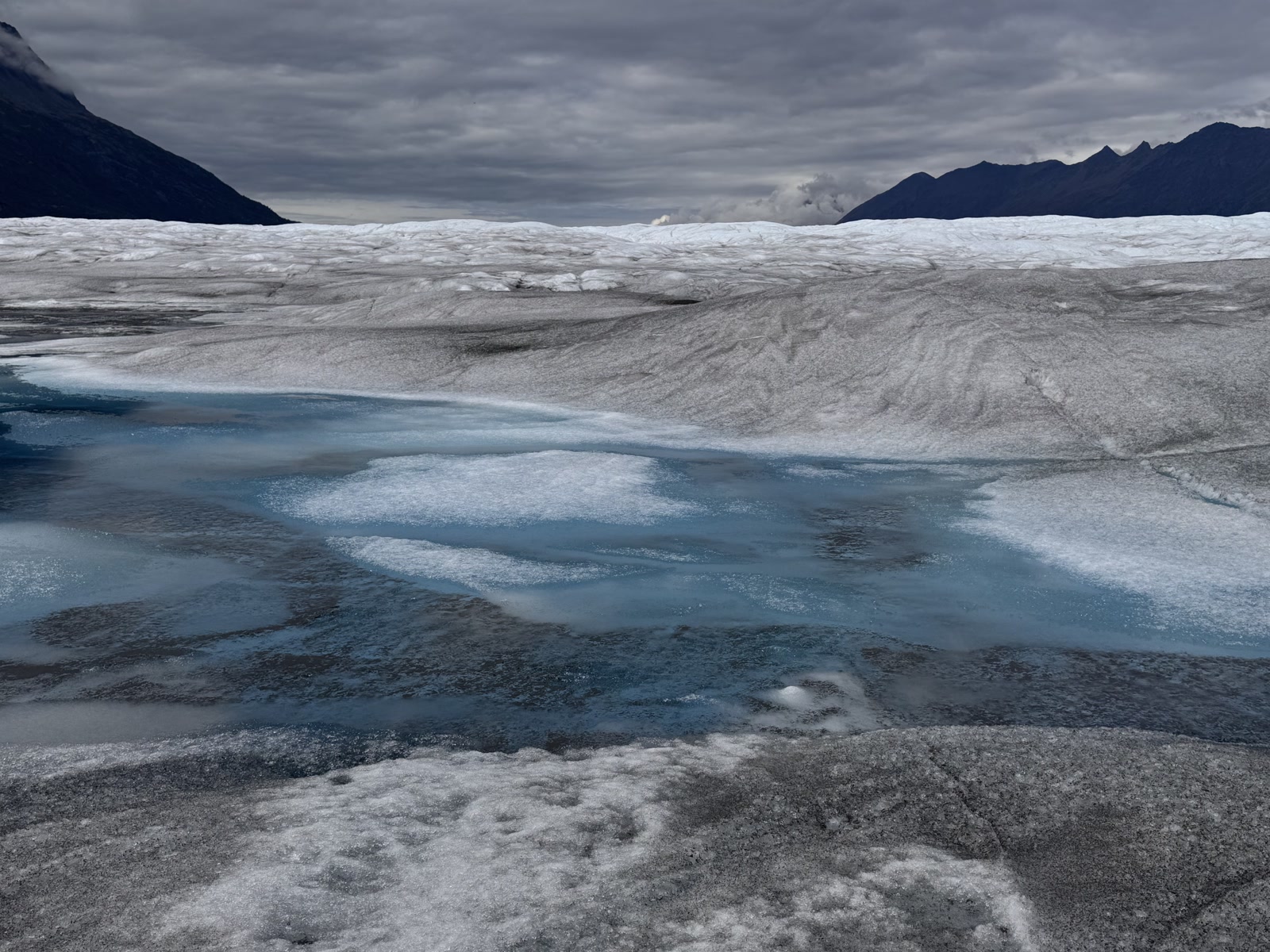
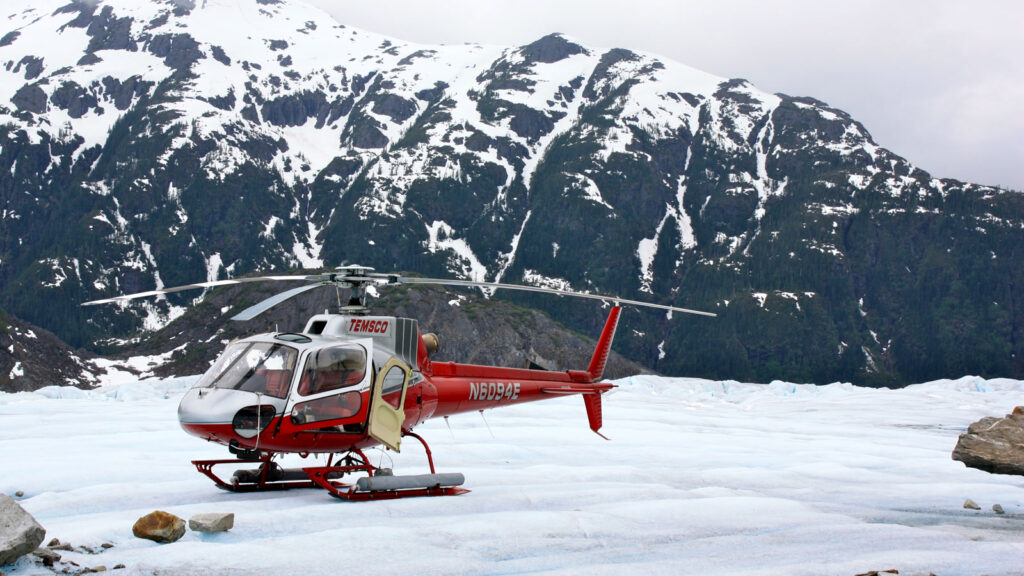
The helicopter tours go one step further: they land on the ice. A typical flight crosses the icefield and sets down on the Mendenhall or Herbert glacier for a guided walk, and the Pilot’s Choice option runs about two and three-quarter hours with roughly 50 minutes of helicopter time. This is the splurge of the cruise, and it is worth it once — but only once. If you have already booked a helicopter landing, do not also book the seaplane: they show you the same icefield, and the second flight will feel like a repeat at full price. Book the flight for your first morning in port, so a cancellation still leaves you the afternoon to rebook.
Juneau: Whales, Glaciers and Sled Dogs
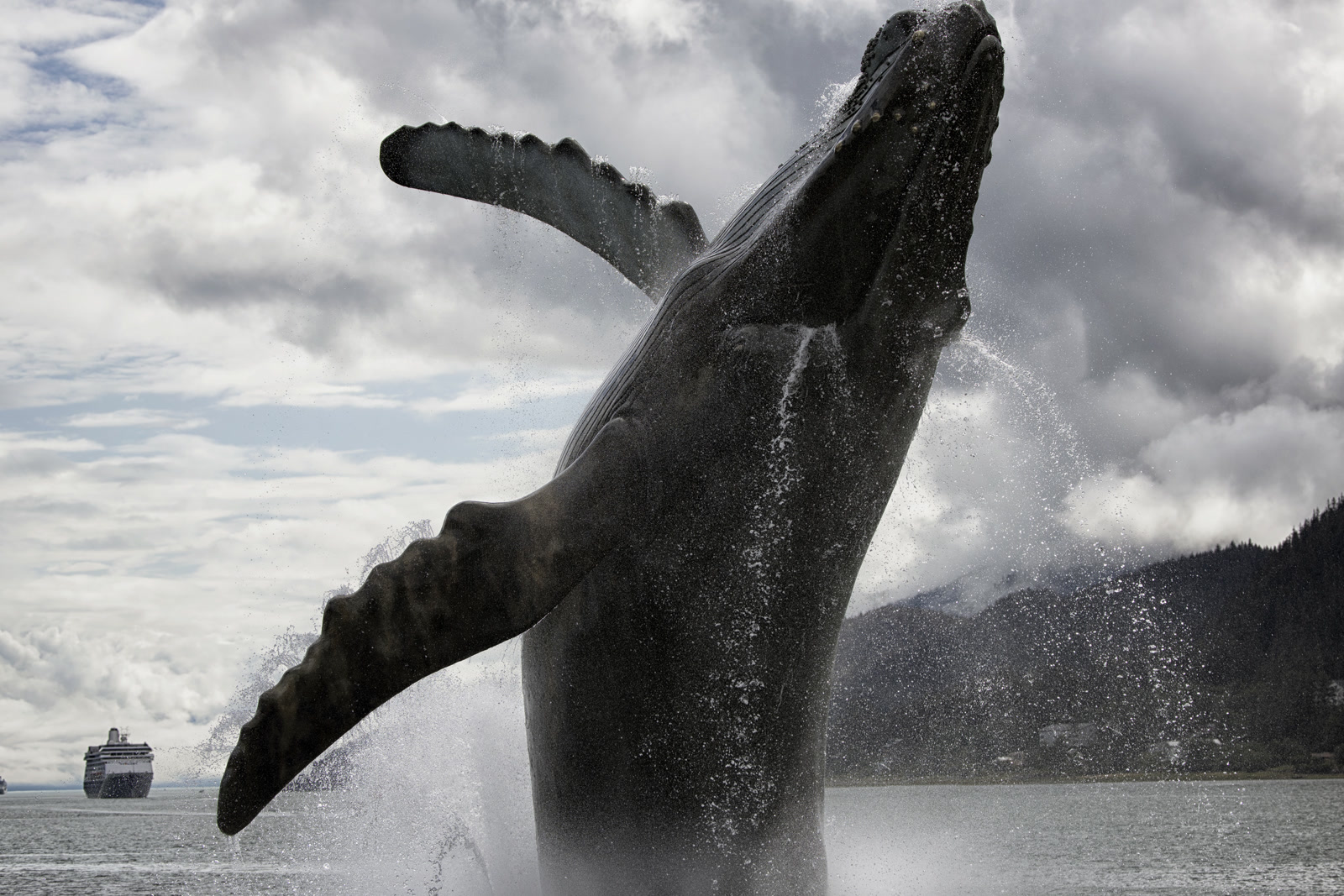
Juneau is also the best whale port on the Inside Passage, and the Juneau whale watching tour is the excursion to pair with your flight. Boats head out into the channel between Juneau and the islands, where humpbacks feed all summer. Operators advertise very high sighting rates in season — treat those numbers as marketing, not a guarantee — but Juneau really is one of the most reliable humpback ports in Alaska. Most whale tours run about three hours. Take the windproof layer even on a sunny day: it is always colder on the water than it is on the dock.
The third Juneau classic is the dog sled camp on the ice. Helicopter tours fly you up to a glacier camp where a team of huskies is waiting, and you ride a sled across the snow with a musher driving. Children love it more than any other excursion in Alaska. The catch is the same as the flightseeing: it is a helicopter tour, so it costs like one and cancels like one. If you are choosing between the dog sledding and a plain glacier landing, the dogs win for families. If you are choosing between the dog sledding and the seaplane, take the seaplane and save the splurge for another port.
Skagway: The White Pass Railway and the Free Gold Rush Walk
Skagway is the smallest-feeling port on the route and the easiest to enjoy without spending anything. The whole downtown is the Klondike Gold Rush National Historical Park, and the visitor centre sits in the historic 1898 White Pass depot at 2nd Avenue and Broadway. But plan the free part of your day with current information: the National Park Service no longer offers ranger-led walking tours of Skagway. What it offers instead is free 25-minute ranger chats on gold rush topics, held daily from early May to late September, plus a free self-guided walking tour of the historic district — a 0.64-mile loop you can follow on the NPS App — and the free 25-minute film Gold Fever: Race to the Klondike.
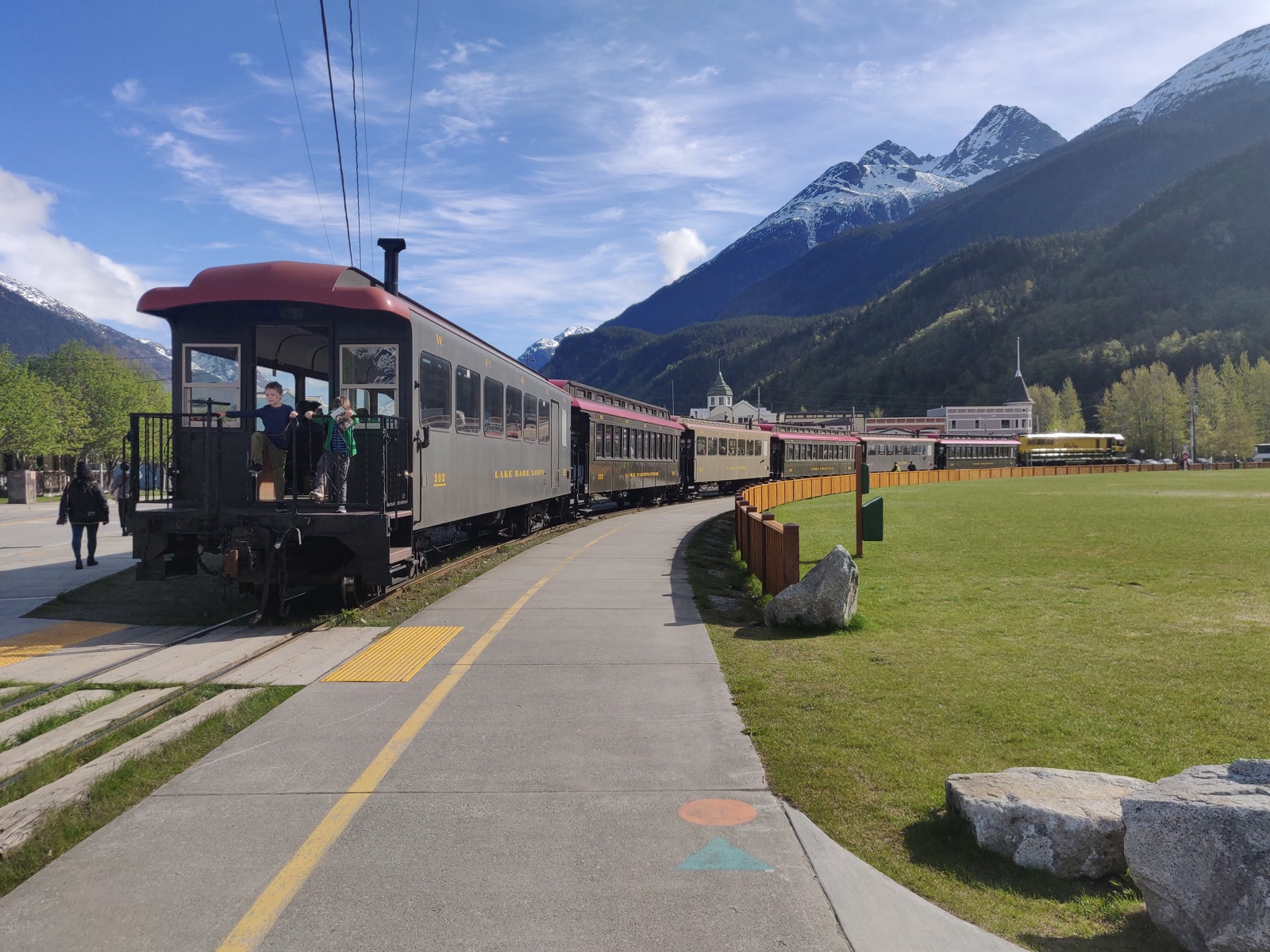
The paid excursion in Skagway is the White Pass and Yukon Route Railway, the most popular shore excursion in Alaska. The Summit Excursion is a 40-mile round trip of about two and three-quarter hours, climbing from sea level to the 2,865-foot White Pass Summit on the United States–Canada border, through tunnels, over trestles, and past Bridal Veil Falls, Inspiration Point, and Dead Horse Gulch. The line was built in 1898 during the Klondike Gold Rush and finished in 1900, and in 1994 it was named an International Historic Civil Engineering Landmark, a designation it shares with the Eiffel Tower and the Panama Canal. The summit train turns at the border, so no passport is needed for that ride — but bring one for any tour crossing into Canada. The railway sells out early on cruise days, so book it months ahead, ride it in the morning, and spend the afternoon on the free walk.
Ketchikan: Misty Fjords from the Air
Ketchikan calls itself the salmon capital of the world, but the excursion that defines it is twenty minutes by air from the dock. Misty Fjords National Monument covers 2.3 million acres of cliffs, waterfalls, and glacial lakes inside the Tongass National Forest, managed by the U.S. Forest Service, and it has no roads at all. The only ways in are by boat or by floatplane, and the floatplane is the one to take. A typical tour flies out of Ketchikan in a six-to-eight-passenger De Havilland Beaver or Otter, every seat a window seat, and spends 30 to 40 minutes in the air each way, with a water landing on a fjord or an alpine lake in the middle.
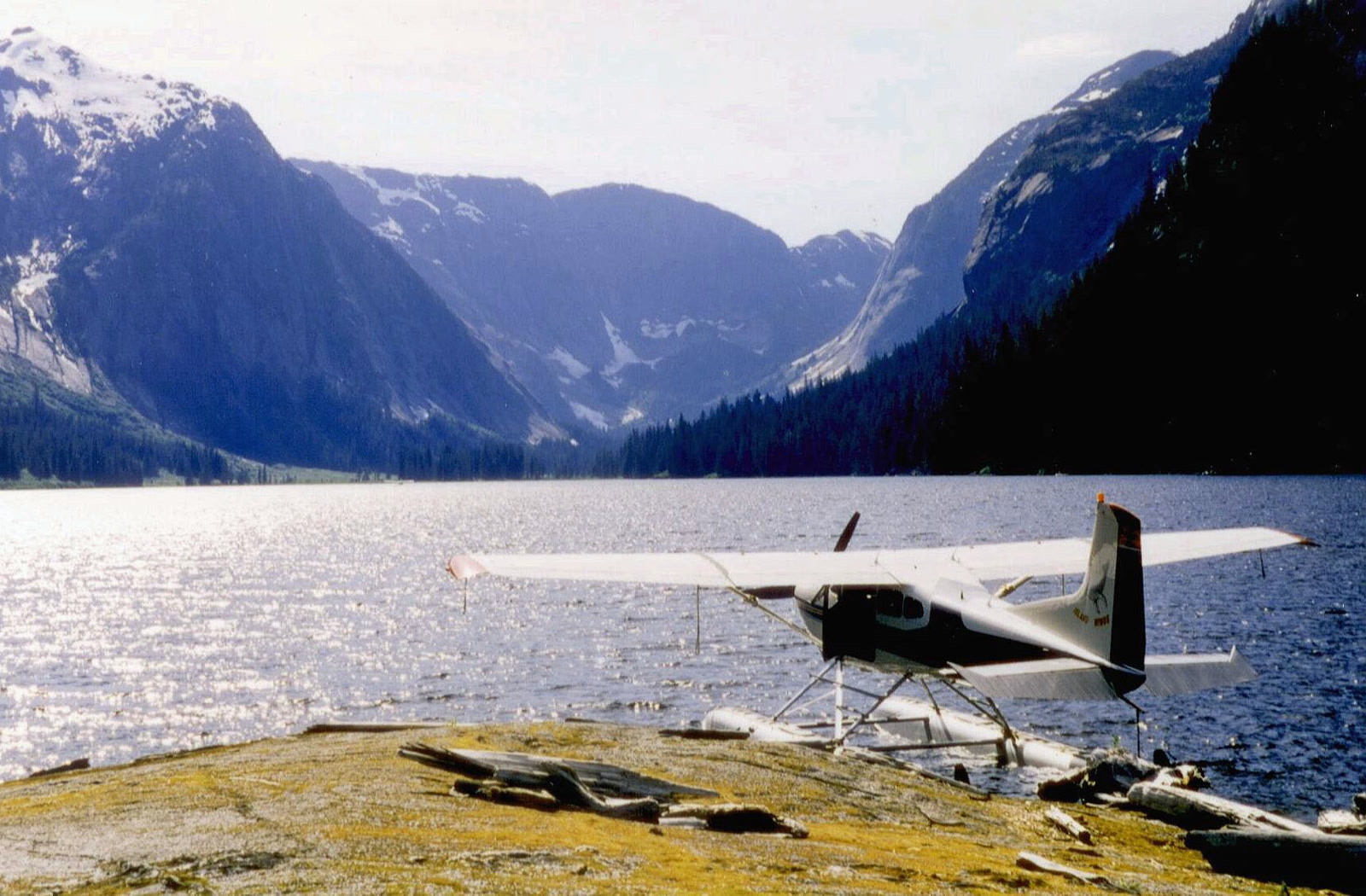
Book this one four to six months ahead if you are travelling in July or August, because a floatplane holds so few passengers that the popular departures sell out. The flight runs in light rain and overcast weather — it is called Misty Fjords for a reason — but heavy weather can still cancel it, so do not pair it with another flight on the same day. If it does cancel, Ketchikan has a good fallback in town. One more practical point: some ships dock at Ward Cove, outside town, so check whether your tour includes the transfer from the cruise terminal before you book.
Ketchikan: Native Culture, Totem Poles and the Crab Boat
If the floatplane is Ketchikan’s headline, the town itself is the second act, and it is better than most cruise ports. Start at Saxman Native Village, just south of town, where Tlingit carvers work on totem poles and dancers perform in the clan house. The poles are not decorations: each one tells a family story, and the guides explain what the figures mean. Back in town, Creek Street is the old red-light district built on stilts over Ketchikan Creek, now a row of shops and galleries. The town is compact and walkable from the dock, and half a day covers it comfortably.
The other Ketchikan classic is the Bering Sea Crab Fisherman’s Tour, run aboard the Aleutian Ballad — the boat from the television series Deadliest Catch. The crew demonstrates how crab pots are hauled and baited, pulls up the catch for a close look, and tells the working stories of the Bering Sea fleet. It is a show as much as a tour, and it works even for people with no interest in fishing. Pick it if you have already flown over Misty Fjords on another sailing, or if heights are not your thing. On a first visit, take the floatplane — the fjords are the reason Ketchikan is on the map, and the crab boat will still be there next time.
Icy Strait Point: Whales and the World’s Largest ZipRider
Icy Strait Point is not a town. It is a purpose-built cruise port at Hoonah, on Chichagof Island, owned by the Huna Tlingit community, and it exists for one reason: the water in front of it. Icy Strait is one of the best whale-watching grounds in Alaska, and the whale tours here run from small boats that get closer to the animals than the big ships ever could. Humpbacks feed here all summer, and orcas pass through as well. If you skipped the whale tour in Juneau, take it here instead — the setting is wilder, the boats are smaller, and the Tlingit guides add a layer of local knowledge the Juneau tours do not have.
The loud choice is the ZipRider, and it deserves an honest description. The official ZipRider site calls it the world’s largest ZipRider: a 5,495-foot cable with a 1,320-foot vertical drop, reaching about 60 miles per hour, with six parallel lines so your whole group can ride together. It opened in 2007 and was once the world’s longest zipline; the current Guinness record for the longest zipline belongs to the Jebel Jais Flight in the United Arab Emirates, so call it what it is — the largest ride of its kind, not the longest line on earth. The ride lasts about ninety seconds, and the whole experience runs about an hour and a half. Riders must weigh between 75 and 275 pounds, and the ride is not recommended for anyone with back or neck problems or who is pregnant. Book it through your cruise line, because ZipRider reservations here are made through the cruise lines.
Glacier Bay: The Best Excursion Costs Nothing
Glacier Bay is the day that makes an Alaska cruise worth taking, and it is the only port on this list where the best excursion is free. Ships do not dock here. A permitted ship spends nine to ten hours cruising up the bay and back, more than 120 miles, while National Park Service rangers board the ship in the morning and narrate all day — talks, questions, and Junior Ranger activities for children, with a desk in the main viewing lounge. The ship holds for about an hour at the face of Margerie Glacier, with Grand Pacific Glacier alongside.
Access is tightly controlled, and that matters when you choose a sailing. No more than two large cruise ships may enter Glacier Bay on any day, and only six lines currently hold the concession to take ships in: Princess, Holland America, Norwegian, Seabourn, Cunard, and Viking. If Glacier Bay is on your must-see list, check that your sailing actually enters the park before you pay a deposit — a line holding a permit does not mean every sailing goes in. The season runs May to September, and Johns Hopkins Inlet is closed to vessel traffic from May 1 to August 31 while harbour seals are pupping. Dress for a cold, windy sea day: layers, a waterproof shell, gloves, and binoculars if you own them. No booking, no ticket, no queue — just be on deck early, because the rangers board in the morning and the best viewing spots fill fast.
Haines and Sitka: The Quieter Ports Worth a Stop
Not every Alaska sailing stops at Haines or Sitka, and if yours does, treat the day as a rest day with one good excursion rather than a second big-ticket port. Haines is a small town at the end of a long fjord, and its best tour is the float through the Chilkat Bald Eagle Preserve, a slow drift down the river through eagle country with a guide pointing out nests and fishing birds. It is gentle, quiet, and a complete change of pace after the helicopter ports, and it suits photographers and anyone who wants to see Alaska without an engine roaring.
Sitka is the old Russian capital of Alaska, and its excursions lean on history rather than adrenaline. Sitka National Historical Park holds a stand of totem poles along a forest trail where the Tlingit fought the Russians in 1804, and the Russian Bishop’s House is one of the oldest buildings in Alaska. A guided walk through the park and the town covers the history in a morning, and the harbour, with Mount Edgecumbe across the water, is worth an unhurried hour. Neither Haines nor Sitka needs a splurge. A single half-day tour and a walk around town is the right scale, and it leaves you rested for the next big port instead of exhausted by it.
Booking Smart: Timing, Weather Backups and What to Skip
Book the top one or two must-do excursions three to six months ahead — the White Pass railway, the Misty Fjords floatplane, and the glacier helicopter tours sell out first, because they have the fewest seats. Everything else can wait until a month or two before sailing, and the free things need no booking at all. One big excursion per port, maximum.
Weather is the part nobody can control. Flightseeing and small-boat tours are the ones that cancel, so never stack two weather-dependent tours on the same day, and always keep a plan B: if the helicopter cancels in Juneau, the whale boat or the city walk is your backup; if the floatplane cancels in Ketchikan, the town and the crab boat are yours. If a tour is cancelled, the cruise line refunds a line-booked excursion in full. Independent operators are often cheaper and run smaller groups, but they do not wait for you: if an independent tour runs late, the ship sails without you; if a line-booked tour runs late, the ship waits. So book the long, far-away, or weather-prone tours through the cruise line, and the short, in-town tours independently if the saving is real. Before booking independently, check the operator’s recent reviews and the ship’s all-aboard time — the all-aboard time is the one that matters, and it is always earlier than you think.
How far ahead should I book Alaska cruise excursions? Three to six months ahead for the popular ones — the White Pass railway, the Misty Fjords floatplane, and the glacier helicopter tours. A month or two is fine for whale watching and the crab boat.
What happens if my excursion is cancelled by weather? Flightseeing and small-boat tours cancel most often, and a cruise-line booking is refunded in full. Keep a backup plan for the port.
Should I book through the cruise line or independently? Book long, far, or weather-prone tours through the cruise line, because the ship waits for its own tours. Book short, in-town tours independently if the saving is real. Always check the operator’s recent reviews and the ship’s all-aboard time.
What are the best Alaska cruise excursions overall? A flightseeing tour in Juneau, the White Pass railway in Skagway, the Misty Fjords floatplane in Ketchikan, and the free Glacier Bay ranger day. Skip the second flight, the duplicate whale tour, and any repeat of what you saw from the ship.