
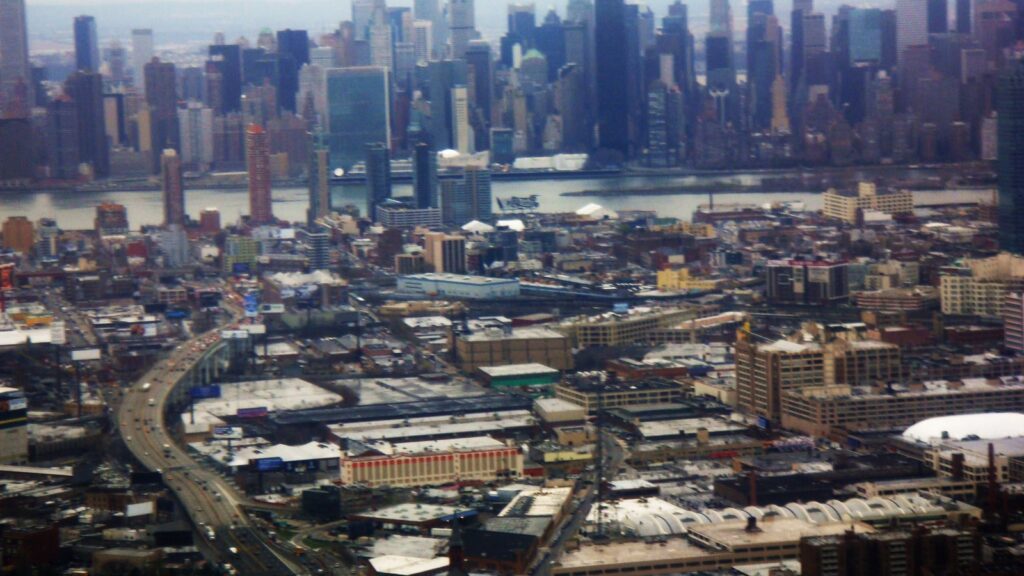
The cheapest time to fly to New York City is January and February, after the holiday crowds have gone and before spring demand picks up. But the cheapest month is only one lever, and on this route it is not even the biggest one. New York is the only major US city with three big airports pricing the same trip independently, and the fare gap between them on the same day is often larger than the gap between January and June. The trick to finding cheap flights to New York City is searching all three airports, adding the ride into Manhattan to the fare, and checking the bag rules before you pay — because the 2026 bag rules change which “cheap” ticket is actually cheap. If you are still planning the trip itself, our How to Plan a Trip to New York City covers the route and the days first — the flight is the part that gets you there.
Short Version: The Cheapest Route Into New York
Search JFK, LaGuardia and Newark together on every search, because the three airports price independently and there is no rule about which one comes in lowest on your dates. Fly in January or February if you can choose your month, and fly on a Tuesday or Wednesday if you can choose your day. Book one to three months ahead for a normal trip, and several months ahead for December or Thanksgiving week. Then add the ride into Manhattan before you decide the fare is cheap: the subway and AirTrain from JFK cost a few dollars more than the free bus and subway from LaGuardia, and a taxi from Newark costs the most of the three. Finally, check the bag rules on the fare you are about to buy — a cheap ticket that forces you to check a bag, or gate-check a carry-on, is not the cheap ticket it looked like.
| Decision | The cheap answer | Why it works |
|---|---|---|
| Which airport | Search all three, every time | JFK, LaGuardia and Newark price independently |
| Which month | January and February | Post-holiday slump, cold weather, low demand |
| Which day to fly | Tuesday or Wednesday | Midweek demand is lowest; Saturday often close behind |
| When to book | 1–3 months ahead | Domestic fares usually settle 6–8 weeks out |
| Ride into Manhattan | Subway and AirTrain, or the free Q70 bus | The cheapest rides in are also the most predictable |
| Bag check | Before you pay, not after | Southwest now charges for checked bags; United Basic Economy is personal-item-only |
The rest of this guide explains why those picks land where they do — the cheapest month to fly to New York, the best time to book flights to NYC, and the traps that catch first-timers.
Three Airports, One City: JFK, LaGuardia and Newark
New York City is served by three major airports, and they are not interchangeable. JFK sits about 15 miles from Times Square in Queens, on the south-east side of the city. LaGuardia sits about 8 to 9 miles away, also in Queens, and is the closest of the three to Manhattan. Newark sits about 16 miles away across the Hudson in New Jersey. The distances look similar on a map, but the journeys into the city are very different, and so are the airlines at each airport.
JFK is the big international gateway and the home of JetBlue and a major Delta base, and it is the airport most international arrivals use. It connects to Manhattan by AirTrain to Jamaica or Howard Beach, then the subway or the Long Island Rail Road. LaGuardia is the domestic airport: short hops up and down the East Coast, rebuilt in the last few years into a genuinely pleasant terminal, and the only one of the three with no rail link at all. Its ride into the city is the free Q70 LaGuardia Link bus to the subway at Jackson Heights. Newark is United’s hub, and it is the airport with the most moving parts in 2026: its AirTrain is being replaced, with weekday suspensions and free shuttle buses through the year, and the FAA has capped its flights while the work continues. Its ride into Manhattan is AirTrain plus NJ Transit, about 45 minutes to Penn Station when the trains are running normally.
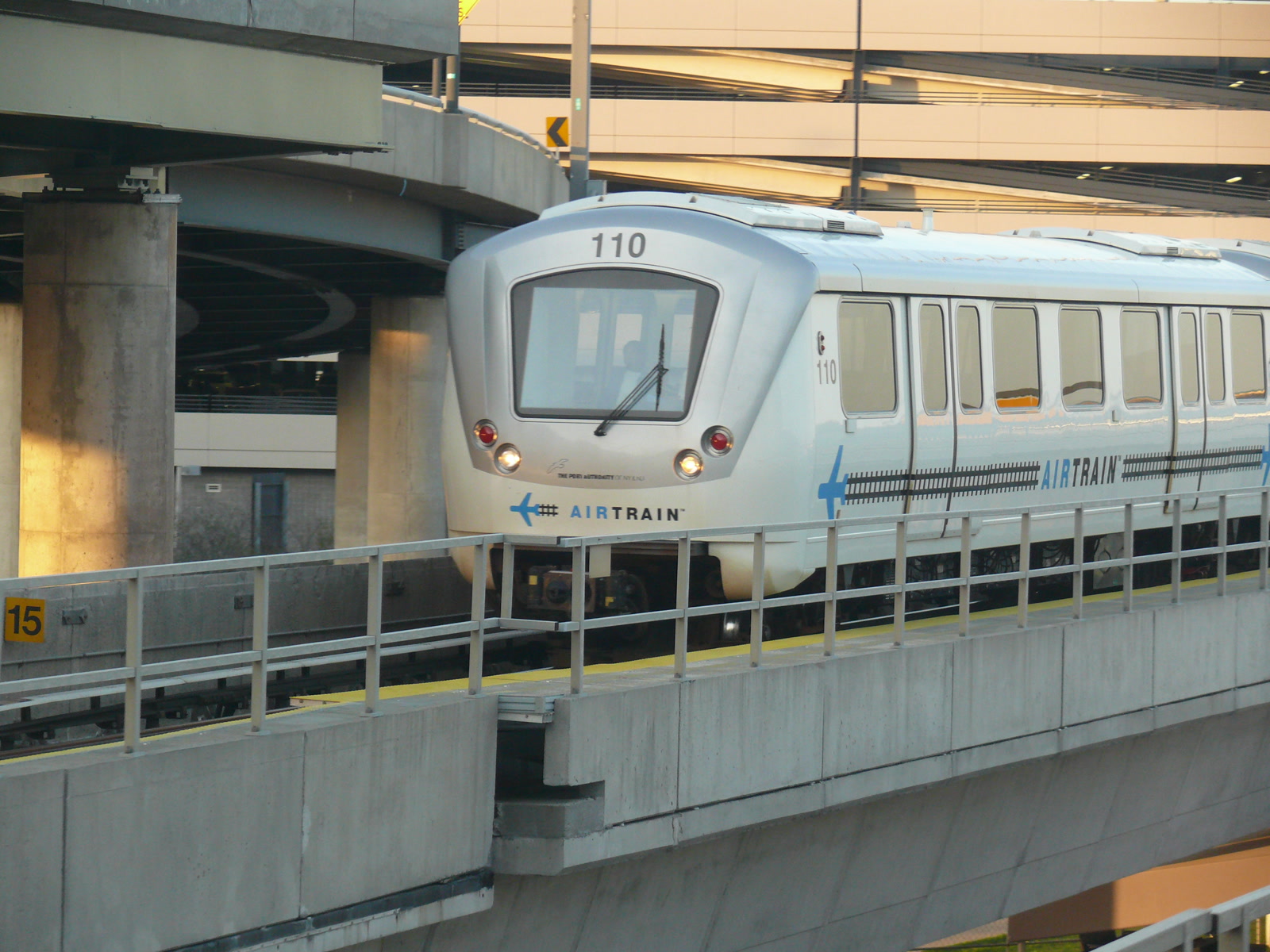
Which airport you land at changes more than the fare: LaGuardia has a perimeter rule that bans weekday nonstop flights to destinations more than 1,500 miles away, in place since 1984 and enforced by the Port Authority, with only two exceptions — Saturdays, and a permanent exemption for Denver. If you are flying in from the West Coast on a weekday, LaGuardia is simply not an option. JFK and Newark have no such limit, so check which airports your route can actually use before you compare fares.
The Total-Cost Trap: A Cheap Fare Plus an Expensive Ride In
The fare is not the cost of getting to New York. The cost is the fare plus the ride into Manhattan, and on this route the ride can quietly undo the saving. A cheaper Newark fare can evaporate in a cross-state taxi, and a slightly dearer LaGuardia fare can end up cheaper once the ride is counted. Do the maths before you pay, not after you land.
From JFK, the cheapest ride in is the AirTrain plus the subway. The AirTrain fare is $8.75, charged when you enter or exit at Jamaica or Howard Beach, on top of the $3 subway fare — $11.75 in total, and the ride takes about an hour to an hour and a quarter. The AirTrain between terminals is free, and children under five ride free. A yellow taxi from JFK runs on a TLC-set flat fare of $70 to anywhere in Manhattan, in either direction, with surcharges, tolls and tip on top — the meter should read “Rate #2 – JFK Airport” — so the real total is noticeably higher than the flat fare, and the drive takes 40 to 90 minutes depending on traffic. JFK is also in the middle of a major rebuild in 2026, with construction causing delays and reroutes on the airport roads, so allow extra time and check the airport’s own site before you travel.
From LaGuardia, the cheapest ride in is the free Q70 LaGuardia Link bus to the subway at Jackson Heights, and then the subway into Manhattan for the $3 fare — the whole trip costs the subway fare and nothing else, and takes about 45 to 60 minutes. That makes LaGuardia the cheapest airport to reach by public transport, and the closest one too. A taxi from LaGuardia is metered, with a small airport surcharge on top, and usually the cheapest taxi of the three, because the distance is the shortest.

From Newark, the ride in is AirTrain plus NJ Transit to Penn Station, about 45 minutes when the trains run normally — but in 2026 the AirTrain is being replaced, and it is suspended on weekday mornings with free shuttle buses running instead, with a full closure through late October 2026 and the schedule after that not yet confirmed by the Port Authority. Check newarkairport.com before you travel, because the 2025 disruption headlines are out of date and the current status is what matters. A taxi from Newark is metered across state lines and is usually the priciest ride into Manhattan of the three. That is the trap in one sentence: the airport with the cheapest fare is often the one with the most expensive ride in, and the saving only survives if you take the train.
The Fare Calendar: The Cheap Months and the Expensive Ones
The fare calendar for New York is driven by one thing: demand. When the city is full, fares are high; when it empties out, fares fall. The cheapest months to fly to New York are January and February. The holiday crowds have gone, it is cold and grey, and demand collapses for about six weeks. Hotel rates fall at the same time, so the saving compounds. February is typically the single cheapest month, though Valentine’s Day weekend and New York Fashion Week can push some routes up for a few days. The first week of January is still expensive — New Year’s travel demand has not cleared yet — so the cheap window really starts in the second week.
| Month | Fare season | What drives it |
|---|---|---|
| January (from week two) | Cheapest | Post-holiday slump, cold weather, low demand |
| February | Cheapest | Still quiet, except Valentine’s Day weekend |
| Early March | Cheap | Winter’s tail, before spring break |
| Late April to early June | Good value | Decent weather without the peak |
| June to August | Expensive | Summer peak, family travel, transatlantic demand |
| Late August | Cheaper | Summer tourism slows before school starts |
| September | Cheaper | Shoulder season |
| Early November | Cheaper | Between the autumn rush and the holidays |
| Thanksgiving week | Most expensive | The busiest travel week of the year |
| Second half of December | Most expensive | Tree lighting, Christmas and New Year together |
The most expensive times are the second half of December, June through August, and Thanksgiving week. The secondary cheap windows are late August, early November and September — real, but smaller than the January and February drop. One warning about the data: a UK fare dataset calls September the cheapest month, but that is for flights from London to New York, not for US domestic routes. Do not let a UK-route stat override the US consensus. January and February win for flights inside the United States.
The Booking Window: When Fares Settle
For a normal domestic trip to New York, one to three months ahead covers most routes. Domestic fares usually settle six to eight weeks before departure, and Kiwi’s guidance puts the sweet spot at 30 to 60 days out. That is the window to aim for: early enough that the cheap seats are still there, late enough that the airline has finished adjusting the price to demand. Book too early and you pay the opening price, which is rarely the lowest. Book too late and you pay the last-minute price, which is almost never the lowest.
The exception is the peak windows: December, Thanksgiving week and summer transatlantic flights should be booked several months out, because the cheap seats on those dates go first and do not come back. If your dates are fixed around Christmas or Thanksgiving, the booking window matters more than the flying month — there is no cheap month to fly in the second half of December, only an early booking. Set a fare alert on Google Flights for your route and watch it for a week before you buy. When the alert shows a deal you would be happy to pay, book it and stop watching. The old CheapAir figure of around 70 days is from 2020 and is dated now; do not lean on it.
Fly Midweek: Tuesday, Wednesday and the Saturday Surprise
The cheapest days to fly to New York are Tuesday and Wednesday. Midweek demand is the lowest of the week: business travellers fly Monday and Friday, leisure travellers fly Friday and Sunday, and Tuesday and Wednesday sit in the gap. Saturday is often close behind, and it is the surprise in the pattern — weekend leisure travel peaks on Friday and Sunday, so a Saturday flight can be nearly as cheap as a midweek one. Thursday and Friday are the most expensive days to fly, and Sunday is close behind them.
Do not confuse the day you fly with the day you buy. One fare dataset calls Friday the cheapest day, but that is the cheapest day to purchase a ticket, not the cheapest day to fly — the two are different measurements, and mixing them up is how people end up flying on a Friday because a chart told them Friday was cheap. The flying-day rule is simple: Tuesday and Wednesday cheapest, Saturday often nearly as good, Thursday and Friday dearest.

The midweek rule is also the easiest one to use, because it stacks with the other levers. A Tuesday flight in February, booked six weeks out, into whichever of the three airports is cheapest that day, is the cheapest version of this trip — and a Friday flight in December, booked the week before, into Newark with a taxi into Manhattan, is the most expensive version of the same trip.
Hubs and Budget Carriers: Who Actually Flies Cheap to New York
The cheapest airline to New York depends on where you are flying from, because each airport has its own hub carriers. Newark is United’s hub, and United runs the most flights out of it — if you are flying from a United hub city, flights to Newark are usually your cheapest and most direct option. JFK is the big base for Delta and JetBlue, and American flies from both JFK and LaGuardia. The hub carrier on your route almost always has the most frequencies and the most competitive fares.
The low-cost airlines are the other half of the picture. Frontier and Spirit fly into all three airports on the routes they serve, and their headline fares are often the lowest on the board — but their fares are also the ones where the bag rules bite hardest, which is the next section. JetBlue is often the cheapest full-service option into JFK, and it includes a carry-on where some rivals do not. On transatlantic routes, Norse Atlantic is the budget name at JFK, flying from London, Paris, Berlin and Oslo.
Search all three airports together, and search the hub carrier’s own site as well as the aggregators. Southwest’s fares now appear on Google Flights and Expedia — the old advice that Southwest never shows on aggregators is dead — but Southwest’s Low Fare Calendar, which shows a whole month of fares at once, is still only on southwest.com.
The Bag Traps: Southwest, Basic Economy and the Carry-On Rule
This is the section that decides whether your cheap fare stays cheap. The 2026 bag rules changed the maths on the two fares that used to be the safe cheap picks, and the trap is that the fare you buy does not include what you assume it includes.
Southwest ended free checked bags for tickets booked on or after 28 May 2025, and raised the fees again on 9 April 2026. Checked bags now cost extra on Basic, Choice and Choice Preferred fares, and the fee you pay depends on when the ticket was booked, not when you fly — so check southwest.com for the fee that applies to your booking date. The only fare that still includes two free checked bags is Choice Extra, along with A-List Preferred status and a few other exceptions. A carry-on bag and a personal item are still free on every Southwest fare, and Southwest now assigns seats instead of open seating. The old rule — Southwest means two free bags — is dead, and any guide that still says it is describing 2024.
United Basic Economy is the sharper trap. On most domestic and short-haul routes it is personal-item-only: no free carry-on in the overhead bin. Bring a full-size carry-on to the gate and United checks it for a fee, and the gate charge is the most expensive way to pay for it — cheaper if you prepay, more at the airport counter, most at the gate. The exceptions are flights to South America, across the Atlantic and across the Pacific, where a carry-on is included, and Premier status or a qualifying United card, which restores it. Delta and American basic economy do include a carry-on, which is the comparison that matters: on the same route, the cheapest United fare and the cheapest Delta fare are not the same product, and the United one can cost more once the bag is counted. Before you pay for any basic economy fare, check the carry-on row on the airline’s own page — it is the single line that separates a cheap ticket from an expensive one.
December and Thanksgiving: The Two Windows That Break Every Rule
December and Thanksgiving week break every rule in this guide, and they do it in different ways. Thanksgiving week is the busiest travel week of the year in the United States, and the fares reflect it: the Wednesday before and the Sunday after are the peak, and the cheap days to fly — Tuesday and Wednesday — are the days everyone is already travelling. Book Thanksgiving several months out, fly on the Monday or the Saturday if you can, and accept that the fare will not be cheap. There is no trick that makes Thanksgiving week cheap; there is only an early booking that makes it less expensive.
December is the longer problem. The second half of December is the most expensive time to fly to New York, driven by the tree lighting, Christmas and New Year arriving together, and the fares stay high until the second week of January, when they fall off a cliff. If your trip is built around the holidays, book months ahead and search all three airports — the fare gap between them is widest when demand is highest. If your dates are flexible, the week after New Year is the cheapest window of the year. Our guide to Things to Do in New York City in December covers what the city is actually like in that window, so you can decide whether the holiday fare is worth paying for the holiday city.
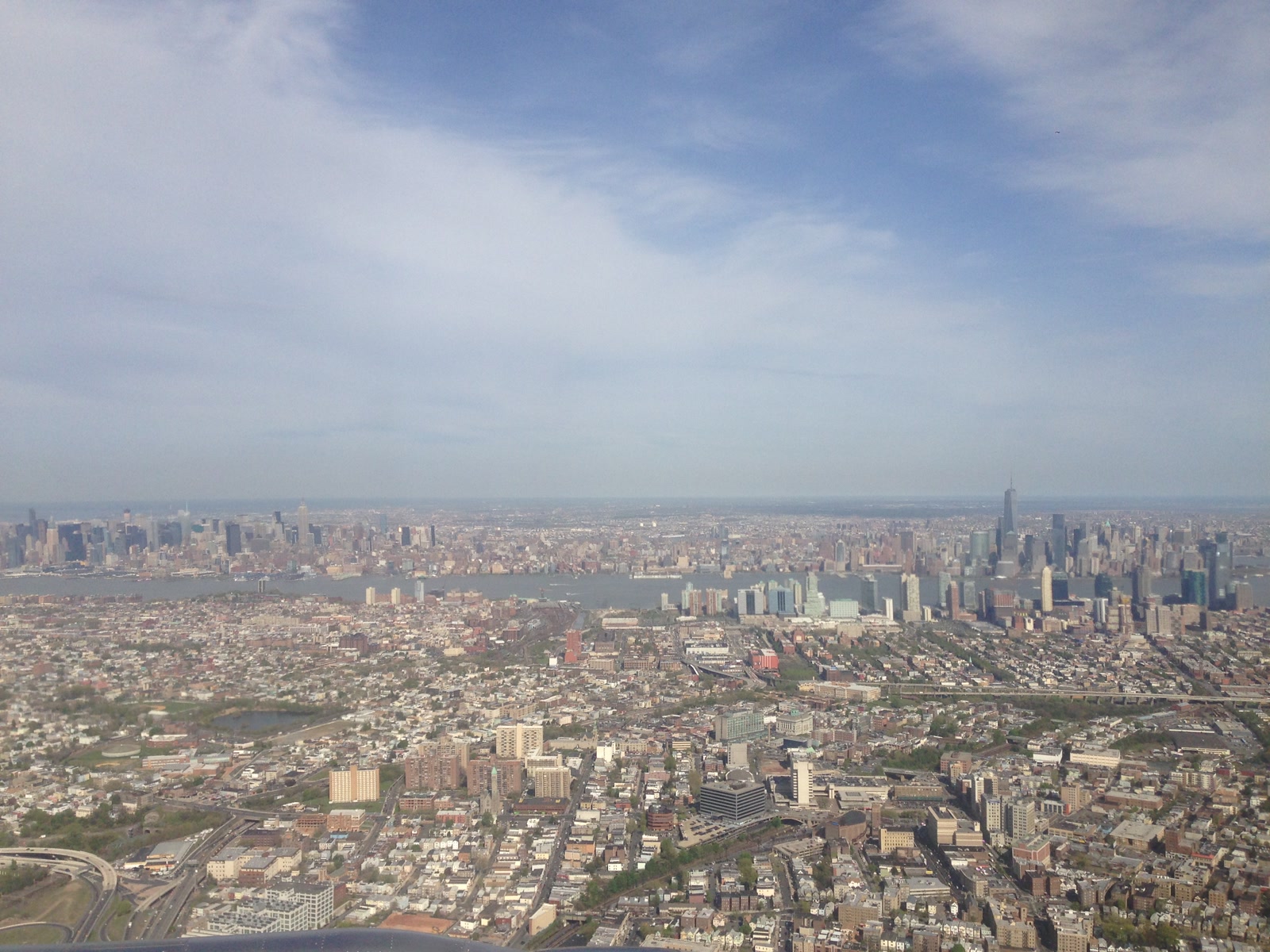
One more December warning, about the airports rather than the fares. Thanksgiving week and the Christmas period are when the construction at JFK and Newark bites hardest: JFK’s roadworks slow every drop-off, and Newark’s AirTrain replacement means shuttle buses and longer transfers. Allow extra time at both airports in the holiday weeks, and take the train where you can — the subway and the AirTrain do not sit in holiday traffic.
Before You Pay: The Checklist That Catches the Traps
Run through this list before you pay for any flight to New York, and the traps in this guide stop being traps. First, search all three airports — JFK, LaGuardia and Newark — on the same dates, and search the hub carrier’s own site as well as the aggregators. Second, add the ride into Manhattan to the fare. Third, check the bag rules on the exact fare you are buying — Southwest’s checked-bag fee for your booking date, United Basic Economy’s personal-item-only rule, and whether Delta or American include the carry-on for the same money. Fourth, check the month and the day: January or February, Tuesday or Wednesday, booked one to three months out, unless your dates are fixed around December or Thanksgiving, in which case book months ahead. Fifth, check the airport itself: JFK’s construction and road delays, Newark’s AirTrain status on newarkairport.com, and LaGuardia’s perimeter rule if you are flying in from beyond 1,500 miles on a weekday.
Which New York airport is cheapest to fly into? There is no single answer. Newark often has the lowest average fares because it is United’s hub, LaGuardia is cited both as the cheapest on short domestic hops and as the most expensive because of its slot limits, and JFK is the pick for JetBlue and Delta flyers and for international arrivals. Search all three every time and let the fare decide.
How far in advance should I book a flight to New York City? One to three months ahead for a normal trip, with six to eight weeks the usual sweet spot for domestic fares. Book several months ahead for December, Thanksgiving week and summer transatlantic flights.
Is LaGuardia really the closest airport to Manhattan? Yes — about 8 to 9 miles, against about 15 for JFK and about 16 for Newark. It is also the cheapest to reach by public transport, because the Q70 bus is free and the subway fare is all you pay. But the perimeter rule means no weekday nonstop flights from beyond 1,500 miles, so it is not an option from the West Coast.
Do I need to worry about the subway fare when I land? Only a little. The subway costs $3 a ride on OMNY, with a $35 weekly cap, and MetroCard sales ended on 1 January 2026 — tap a contactless card or phone at the turnstile. The AirTrain from JFK is a separate fare on top of that, and the Q70 bus from LaGuardia is free.
Once you have booked, the flight is the easy part — our NYC Weekend Itinerary fits the bridge, the statue and the neighbourhoods into two days.