
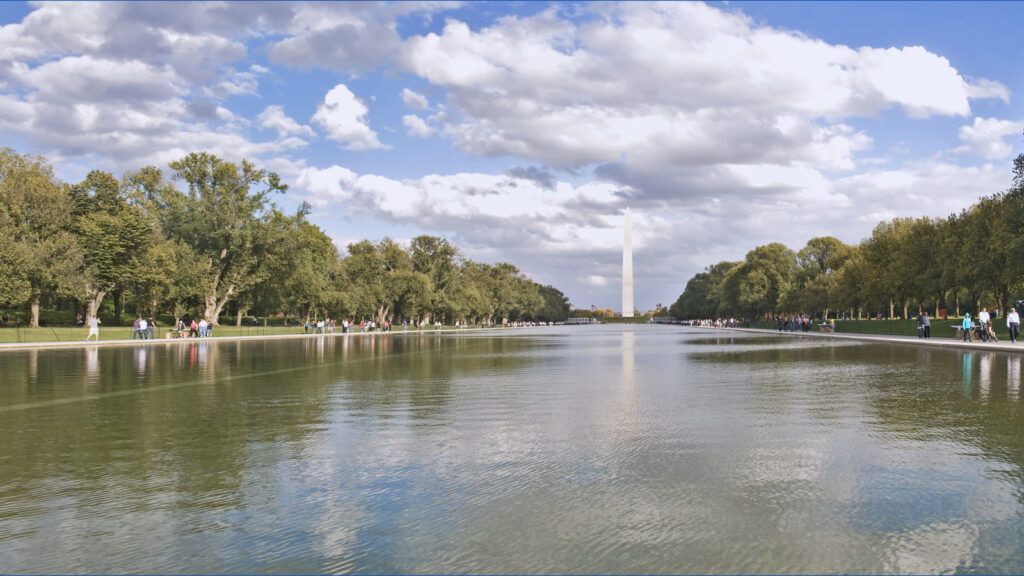
Washington DC is the rare American capital where the best things cost nothing: the Mall, the memorials, the Smithsonian museums and the National Gallery of Art are all free, and two full days need no ticket at all. The catch is not money, it is timing. A handful of the most popular sights now need a free timed-entry pass, the very ones first-timers assume they can walk into. Book those first, then let the city be free.
The pass rule: what to book before you go
As of late 2026, nine of the city’s most popular sights need a timed ticket. The three that matter most — the National Museum of African American History and Culture, the National Air and Space Museum on the Mall, and the National Zoo — are all free, and all three need a free timed pass for every visitor, including babies. The African American history museum releases passes 30 days ahead, with same-day passes online by 8:15 a.m. Eastern. Air and Space releases passes on the first of each month at noon Eastern, two months ahead; the zoo releases passes 30 days ahead.
The Washington Monument is free, but everyone age two and older needs a timed ticket, with a non-refundable $1 fee on advance tickets. They are released on Recreation.gov 30 days ahead at 10 a.m. Eastern, with a second batch at 3 p.m. the day before; free same-day tickets are handed out at the Monument Lodge from 8:45 a.m. The newest ticket is the Lincoln Memorial undercroft, the museum that opened beneath the memorial on June 25, 2026. The memorial is free and open around the clock, but the 15,000-square-foot exhibit below needs a free timed ticket on Recreation.gov, up to 30 days ahead, with a $1 fee per reservation of up to six. Free same-day tickets are handed out at the Korean War Veterans Memorial kiosk from 8:45 a.m. Everything else is walk-in. The Capitol, the Library of Congress, the Holocaust Museum and Ford’s Theatre make up the rest of the nine: book what is on this list the moment your dates are fixed.
The National Mall: the two-mile walk that is the trip
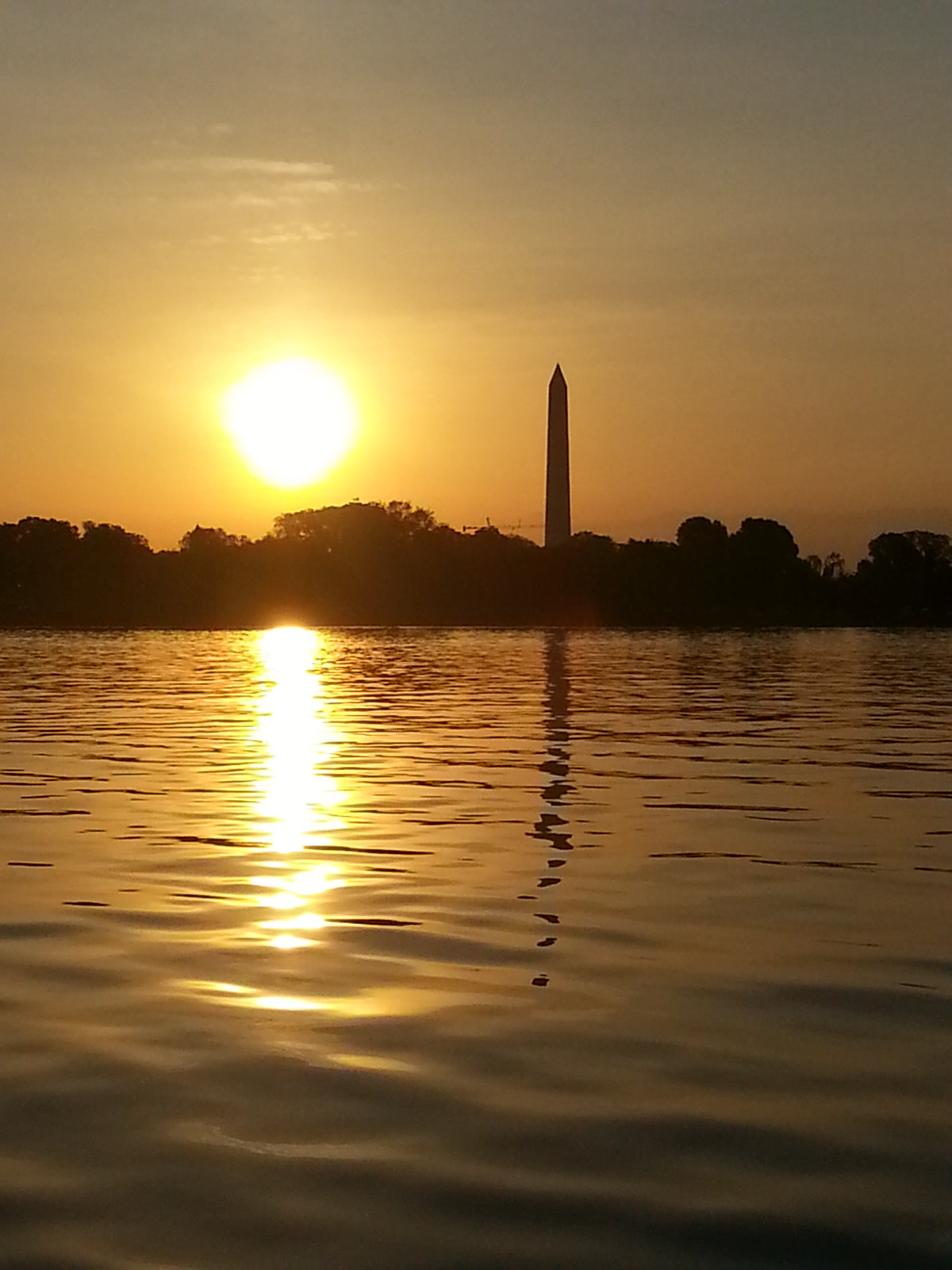
The National Mall is the spine of the trip, a two-mile stretch of grass and gravel paths from the Capitol to the Lincoln Memorial, with the Washington Monument in the middle. Walk it west to east in the morning. The walk takes about 40 minutes without stopping, and you will stop constantly. The south side holds Air and Space, the Hirshhorn and the National Museum of the American Indian; the north side holds the National Gallery of Art, Natural History and American History. The Smithsonian Castle at the centre is closed for renovation, so photograph it from outside.
Wear proper shoes: the Mall looks short on a map and feels long in July heat or January wind, with almost no shade and Metro stations only at the edges. The good news is that the walk is the plan: every sight in this guide sits on or just off this one stretch, and once you have walked it end to end, the city makes sense.
The memorials at night: when the marble works best
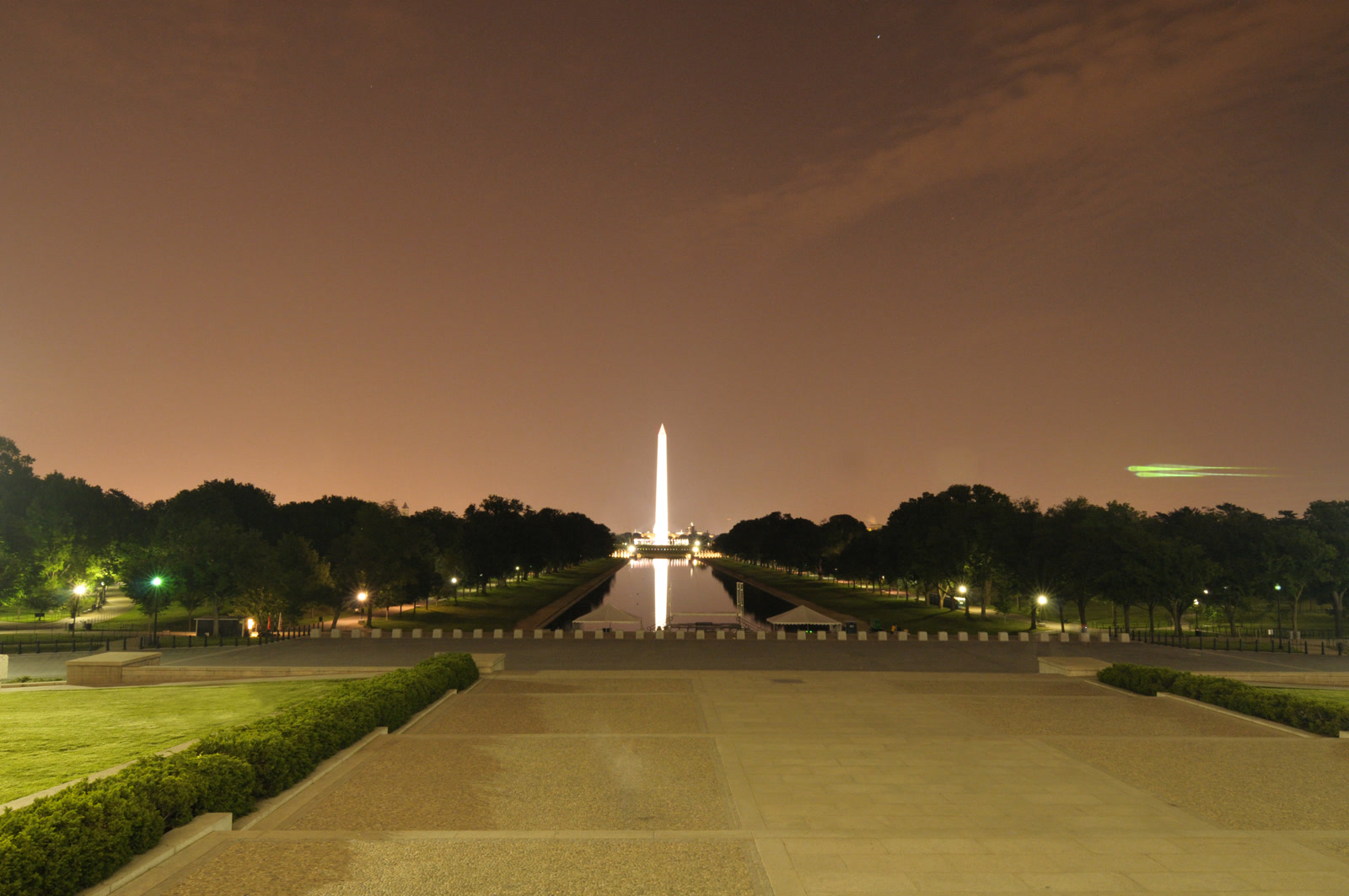
The memorials are free and open 24 hours a day, and better after dark, when the marble glows and the crowds thin. Start at the Lincoln Memorial as the sun goes down: the chamber with the seated statue is open all night, and from the top of the steps you look straight down the Reflecting Pool to the Monument. Walk south to the Vietnam Veterans Memorial, a black granite wall with more than 58,000 names. Next door, the Korean War Veterans Memorial shows 19 steel soldiers on patrol, lit from below after dark. On the Tidal Basin side, the Martin Luther King Jr. Memorial is a 30-foot statue carved from a single block of granite, and the Franklin D. Roosevelt Memorial is four outdoor rooms covering his four terms. The World War II Memorial, between the Monument and the Reflecting Pool, has 56 pillars for the states and territories and a wall of 4,048 gold stars, best at dusk when the fountains are lit. Bring a layer even in summer: the wind off the Tidal Basin is colder than a block away.
The Smithsonian, picked for you: which two museums fit one day
There are 17 Smithsonian museums in Washington, all free, and only three need a timed pass. See no more than two in a day, giving each two to three hours. If you only see one, make it the National Museum of African American History and Culture, opened in 2016 and the most powerful museum in the city. Start at the bottom, in the history galleries below ground, and work up through slavery, segregation and the civil rights movement to the culture galleries at the top. It needs a free timed pass and takes three to four hours.
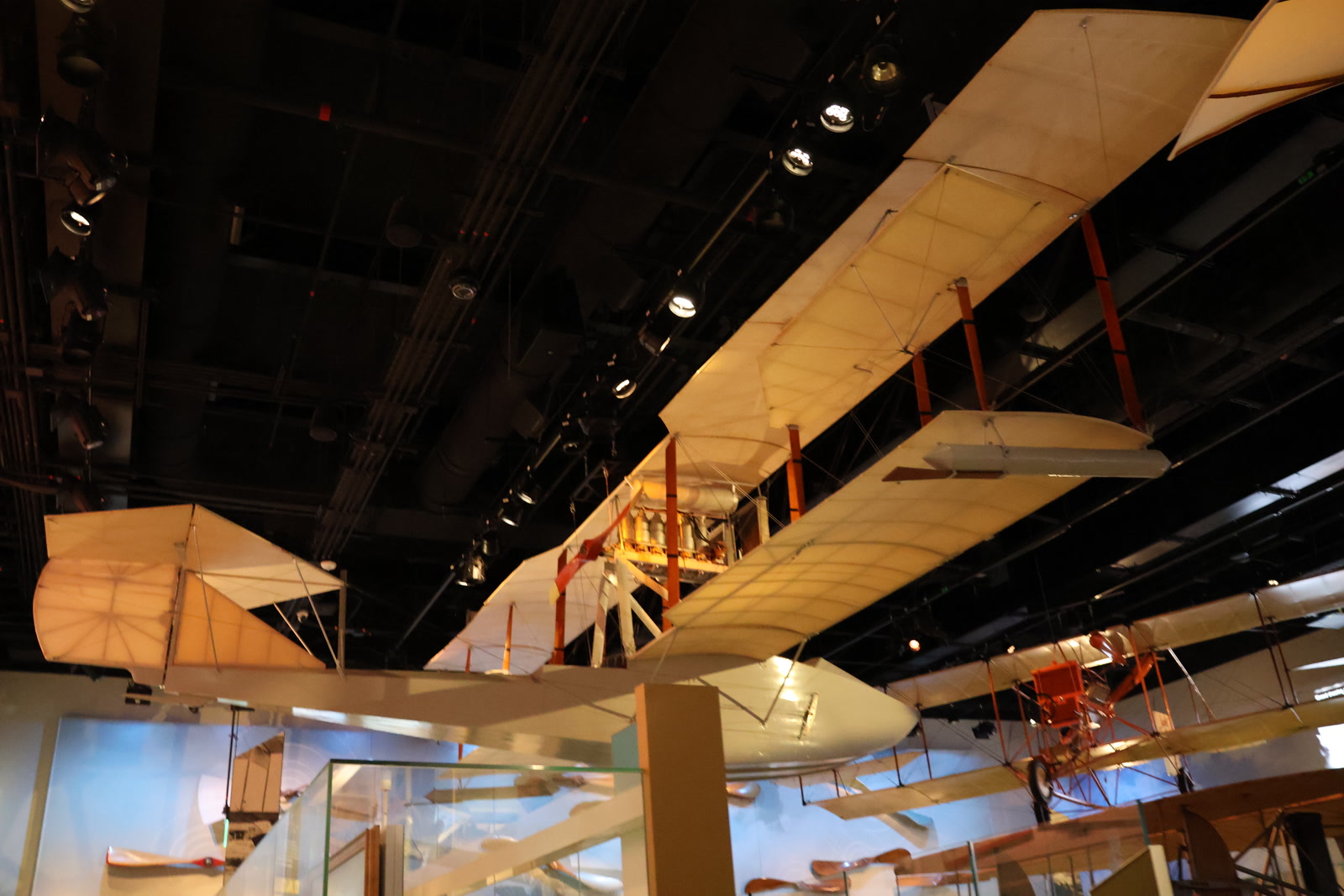
The second pick depends on your group. Families with children should take the National Air and Space Museum on the Mall. Its renovation is finished: the last two galleries, At Home in Space and Modern Military Aviation, opened on October 30 and November 11, 2026. The Wright Flyer, the Spirit of St. Louis and Apollo 11’s command module are on view; it needs a free timed pass. Without children, take the National Museum of Natural History instead: the Hope Diamond, the dinosaurs and the ocean hall, next to American History, home of the original Star-Spangled Banner. It needs no pass. The National Gallery of Art deserves an hour if you have one: free, no pass, and the only Leonardo da Vinci painting in the Americas.
Capitol Hill: the Capitol, the Library of Congress and the Supreme Court
Capitol Hill is the east end of the Mall. The Capitol Visitor Center is open Monday through Saturday from 8:30 a.m. to 4:30 p.m. and closed on Sundays. Admission is free, but the historic Capitol is only seen on a guided tour of about an hour: the Crypt, the Rotunda and National Statuary Hall. Book a free pass at visitthecapitol.gov or through your member of Congress. Same-day passes are usually available, but the last tour leaves at 3:20 p.m.
Across the street, the Library of Congress is the largest library in the world, and its Thomas Jefferson Building is worth a visit for the building alone. It needs a free timed pass; the reading room is researchers only, but the public galleries and the Gutenberg Bible are open to everyone. The Supreme Court, across the grounds, is free on weekdays when the court is not in session. The three take a morning; the walk back passes the Botanic Garden, a free glasshouse.
The White House and the Tidal Basin
The White House is the one famous sight you mostly see from outside; the best public view is from Lafayette Square, across Pennsylvania Avenue on the north side. White House tours are free, requested through your member of Congress, but availability is limited right now. The original East Wing, built in 1902, was demolished in October 2025 for a new State Ballroom, with construction running until summer 2028. Tour bookings were paused and tours that run are reduced, so do not build your day around it.
Walk south to the Tidal Basin, ringed by cherry trees. The Jefferson Memorial stands on its southern shore, a domed rotunda best at sunrise. The Martin Luther King Jr. Memorial and the Franklin D. Roosevelt Memorial sit on the western shore. In late March and early April the cherry blossoms bloom and the basin fills with photographers. Peak bloom usually falls in that window, but the Park Service’s forecast only comes about 10 days ahead, so do not book around a date you saw in January. Go at sunrise in blossom season; the rest of the year the basin is a calm two-mile loop with the best views of the Monument across the water.
Georgetown: the neighbourhood that feels like another city
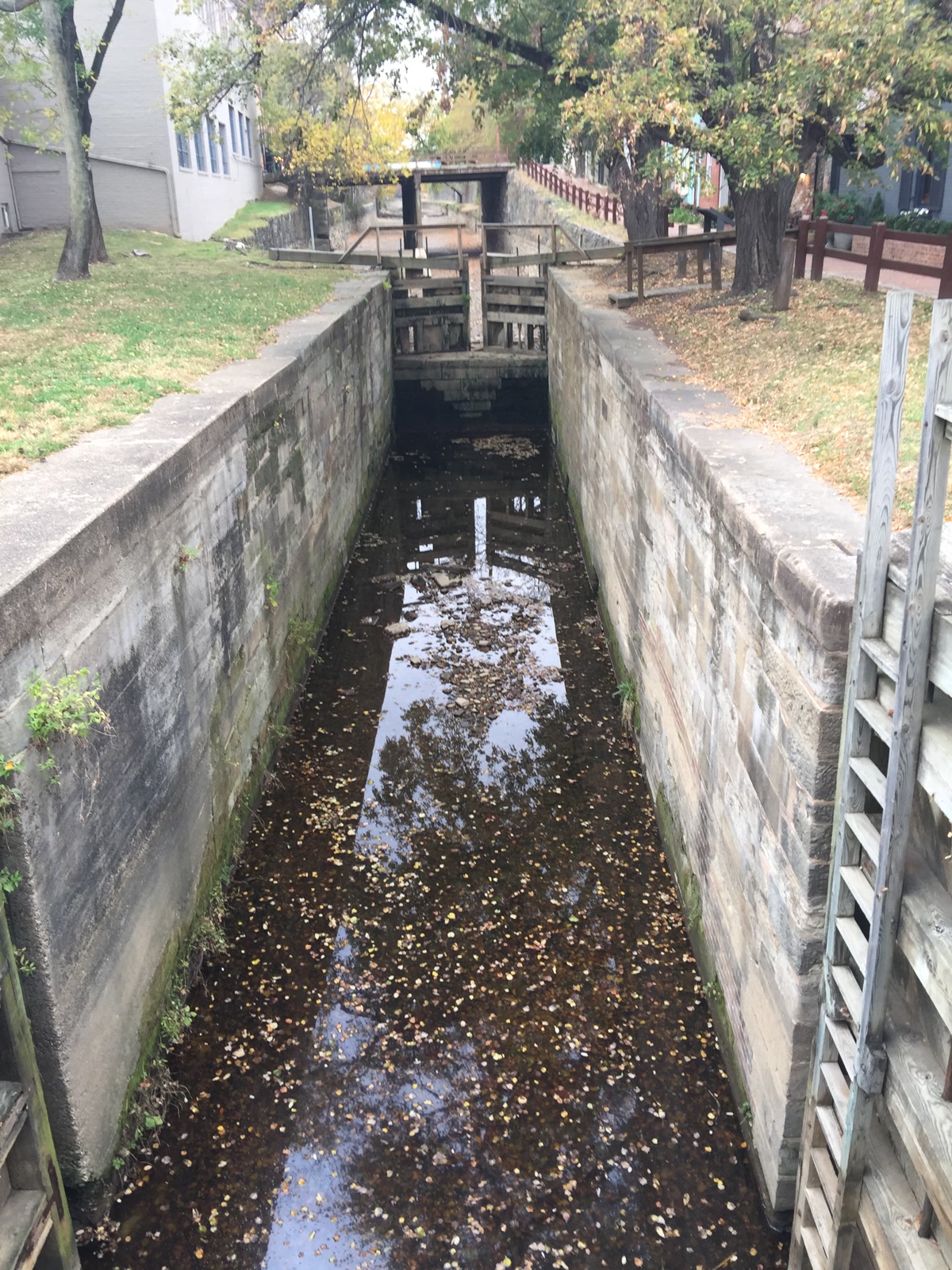
Georgetown, founded in 1751, feels like a different city from the Mall: brick townhouses, narrow streets and a canal. It has no Metro station, so take the Circulator bus or a rideshare, and start on M Street. Walk west to the Chesapeake and Ohio Canal towpath, then down to the Potomac waterfront. The Exorcist Steps sit at the end of 36th Street. Dumbarton Oaks, a historic house with gardens by Beatrix Farrand, is the quiet surprise, at its best in spring. Georgetown is also the best place for a long lunch: the restaurants on M Street and Wisconsin Avenue are livelier than anything near the Mall.
U Street, the Wharf and the food
Washington’s food is in the neighbourhoods. U Street was once Black Broadway, home of Duke Ellington and the jazz clubs of the 1920s, and it is still the liveliest street after dark. The clubs and bars along U Street and 14th Street are where Washington goes out, and the Ethiopian restaurants reflect one of the largest Ethiopian communities in the United States. Come for dinner, stay for the music, and take the Metro home from U Street station.
The Wharf is the opposite: a rebuilt waterfront on the Southwest shore, all glass and boardwalks facing the Potomac, opened in 2017 and finished in 2022. The fish market at the southern end is the oldest continuously operating open-air fish market in the United States. The food rule holds: eat a block or two from the famous view, and the meal gets better and cheaper.
Free in Washington DC: the best things that cost nothing
Almost everything in this guide is free: the Mall, the memorials, the Smithsonian museums, the National Gallery of Art, the Library of Congress, the Supreme Court and the Botanic Garden. The National Zoo is free too, with giant pandas Bao Li and Qing Bao on the Asia Trail since January 2025. You need a free timed entry pass for everyone, including infants, and the grounds close at 4 p.m. from mid-September to mid-March. Parking is $30 booked ahead and $40 on the day, so take the Metro to Woodley Park and walk downhill.
The free walks are the best of all: the Mall end to end, the memorials at night, the Tidal Basin loop, the Georgetown towpath and the walk across the Arlington Memorial Bridge to Arlington National Cemetery, where the Changing of the Guard runs every half hour in summer and hourly in winter. With a second day and a car, Harpers Ferry is about 66 miles west via I-495, I-270 and US-340. The one thing to spend money on is the Monument elevator, free apart from the $1 fee.
FAQ
How many days do you need in Washington DC?
Three days. Two covers the Mall, the memorials and two museums; the third fits the neighbourhoods, the zoo and the Tidal Basin. One day works only for the Mall and one museum.
Do you need a car in Washington DC?
No. The Metro covers the Mall, Capitol Hill, the zoo, U Street and the airport. Fares run $2.25 to $6.75 on weekdays and $2.25 to $2.50 in the evenings and at weekends, and you can tap a contactless card or phone at the gates. A car is a burden: parking is scarce and expensive.
Is Washington DC expensive?
The sights are not, the beds are. Almost every museum and memorial is free, so a day can cost nothing but fares and lunch. Hotels near the Mall are the expensive part, and prices spike in cherry blossom season.
What is the best time of year to visit Washington DC?
Late March to early April for the cherry blossoms, or October for cool air and thin crowds. Summer is hot and humid, and the Mall has almost no shade. Winter is cold but quiet, and the museums are warm.
Is the National Mall safe at night?
Yes. The Mall and the memorials are open 24 hours, well lit and patrolled. Stay on the lit paths and take a rideshare back late at night.
The Short Version
The best things to do in Washington DC are free, but the free part needs planning. Book the timed passes first: the African American history museum, Air and Space and the zoo, plus the Monument and the Lincoln undercroft. Then walk the Mall west to east, see the memorials at night, give two Smithsonian museums a half day each, and spend your evenings in Georgetown, on U Street or at the Wharf. Three days, no car, and the only ticket you pay for is the $1 fee on the monument elevator.