

Three days is the right amount of time for a first trip to Washington DC: Capitol Hill, the monuments, two or three museums and one neighbourhood afternoon. This washington dc itinerary picks one zone per day, orders the days by opening hours, and leaves the evenings for the memorials after dark.
The Smithsonian museums are free, the monuments are free, the Capitol tour is free. What costs you is planning: several of the best places need a free timed-entry pass, and those are the ones that ruin a day if you show up without one. Book the passes first.
The hours rule that decides this itinerary
Washington runs on two clocks, and the whole plan follows them. The Smithsonian museums open at 10 a.m. and close at 5:30 p.m., every day except December 25. The Capitol Visitor Center is open 8:30 a.m. to 4:30 p.m., Monday through Saturday, and closed on Sundays. The National Zoo opens at 8 a.m. but closes at 4 p.m. in winter, last entry 3 p.m. The memorials are open 24 hours a day and need no ticket.
So the rule is simple: museums take the days, memorials take the evenings, and the Capitol takes the earliest slot. In summer the zoo stays open until 6 p.m.; in winter it closes at 4 p.m. — which is why the zoo is a morning stop, never an afternoon one.
Day 1: Capitol Hill and the east end of the Mall
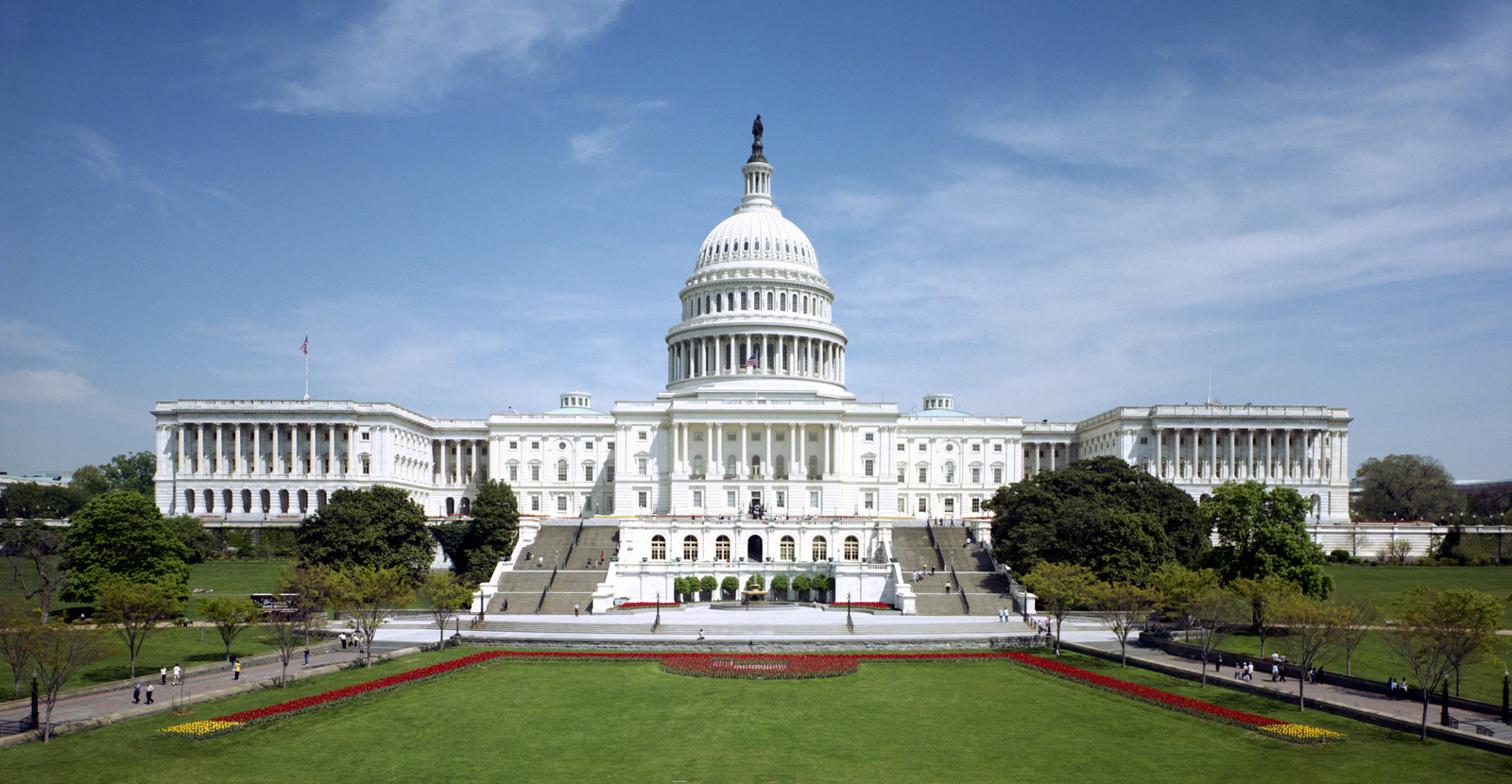
Start at the Capitol, because it opens first and closes first. The Visitor Center opens at 8:30 a.m., Monday through Saturday, and the guided tour takes about an hour through the Crypt, the Rotunda and National Statuary Hall. Tours are free, but you need a pass: book one in advance on the Visitor Center website. Same-day passes may be available, but walk-ins are told to arrive no later than 2:30 p.m., and the last tour starts at 3:20 p.m.
From the Capitol, cross the street to the Library of Congress. The Thomas Jefferson Building is the prettiest interior in Washington: free, but it needs a timed-entry ticket, released 30 days ahead, with same-day tickets online at 9 a.m. each morning. It is open Tuesday through Saturday, 10 a.m. to 5 p.m., last entry 4:30 p.m., and until 8 p.m. on Thursdays. Closed Sundays and Mondays, so if Day 1 falls on a Monday, move the Library to Day 3.
Spend the afternoon at the National Air and Space Museum on the east end of the Mall. Admission is free, a timed-entry pass is required, and the renovation that began in 2018 is now finished: the final two galleries opened on October 30 and November 11, 2026. The Wright Flyer, the Spirit of St. Louis and Apollo 11’s command module are all on view.
End the day on Capitol Hill. Eastern Market and Barracks Row, a few blocks east of the Capitol, are where the neighbourhood eats. Walk back past the Capitol after dark: the lit dome is the best free view in the city.
Day 2: the monuments, walked west to east
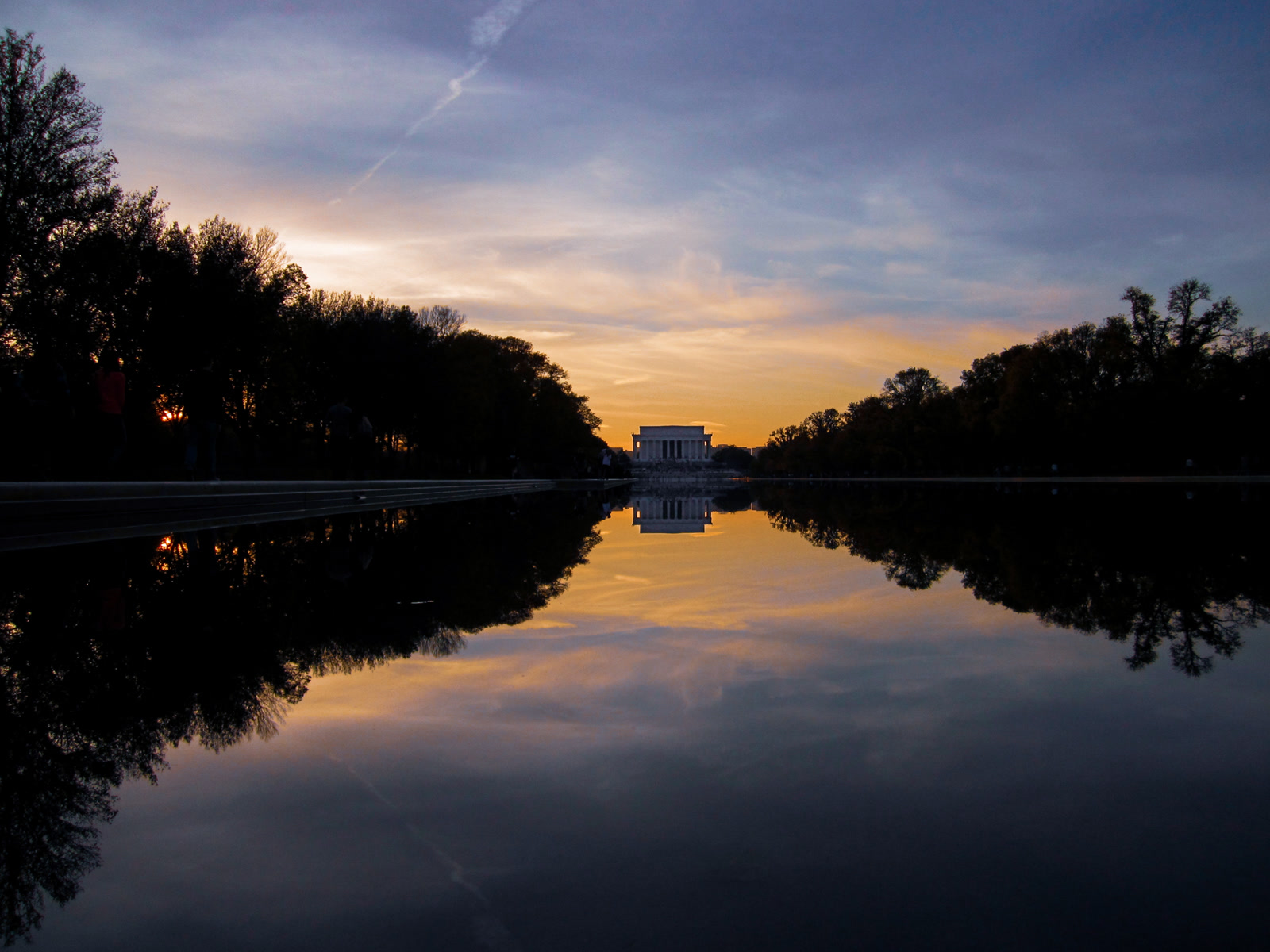
Day 2 is the walking day, and it starts at the far end. Take the Metro to Foggy Bottom and walk to the Lincoln Memorial, the western end of the Mall. The memorial is free and open around the clock; the chamber is at its best before the crowds arrive. Underneath it, a new 15,000-square-foot exhibit in the undercroft opened on June 25, 2026. It needs a free timed-entry ticket, booked on Recreation.gov up to 30 days ahead, with same-day tickets from 8:45 a.m. at the Korean War Veterans Memorial kiosk.
Walk east from Lincoln along the Reflecting Pool. The Vietnam Veterans Memorial and the Korean War Veterans Memorial sit on either side of the pool, both better in the morning quiet than in the afternoon crowd. The World War II Memorial comes next, then the Washington Monument. The monument needs a timed ticket to go inside: book on Recreation.gov exactly 30 days ahead at 10 a.m. Eastern. Tickets are free, with a $1 service fee; if you missed the window, free same-day tickets are handed out at the Washington Monument Lodge from 8:45 a.m. The monument is open 9 a.m. to 5 p.m. daily except December 25 and July 4.
By early afternoon you are back on the Mall for the museum slot. Pick one: the National Museum of Natural History, with the Hope Diamond and the fossil hall, or the National Museum of American History, with the flag that inspired the national anthem. Both are free and close at 5:30 p.m.
After dinner, go back out: the Lincoln Memorial lit up across the Reflecting Pool, the Washington Monument glowing over the Mall. This is the evening the itinerary is built around, and it costs nothing.
Day 3: one museum morning, Georgetown and the neighbourhoods
Day 3 slows down. Pick one museum for the morning and give it two unhurried hours. The National Museum of African American History and Culture is the strongest choice: free, but it needs a timed-entry pass, and it opens at noon on Mondays and 10 a.m. the rest of the week. If the passes are gone, the National Gallery of Art needs no pass.
The alternative morning is the National Zoo, where the hours rule bites hardest. It is free, but every visitor needs a timed-entry pass, and in winter the grounds close at 4 p.m., last entry 3 p.m. Go first thing in the morning, when the animals are active: the giant pandas, Bao Li and Qing Bao, are the draw. If you choose the zoo, skip the museum and go straight to Georgetown for lunch.
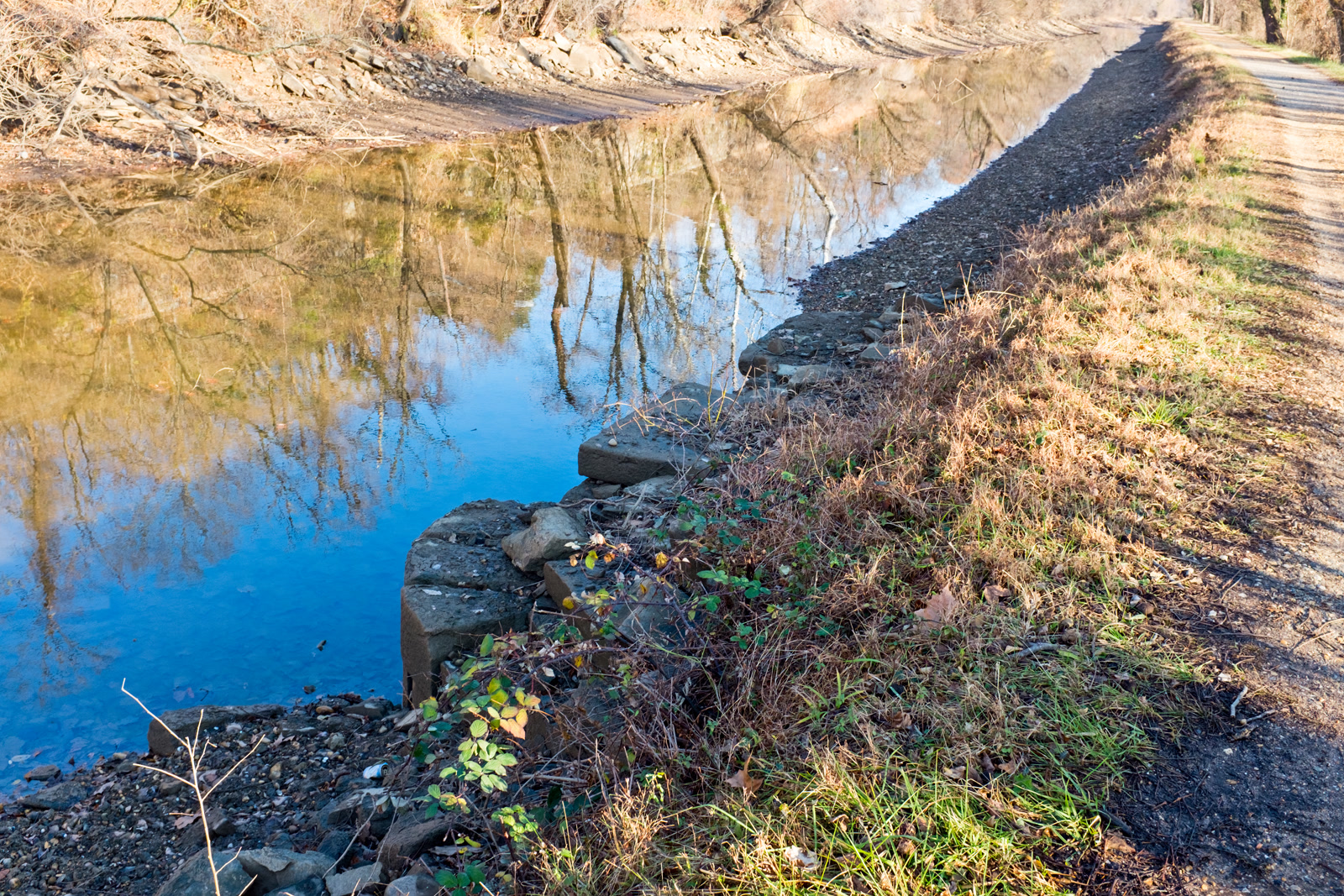
Georgetown is the afternoon: the oldest neighbourhood in the city, all brick row houses, narrow streets and a canal. Walk M Street for the shops, then drop down to the C&O Canal towpath, and finish at the waterfront on the Potomac. There is no Metro station in Georgetown — Foggy Bottom is the nearest stop, about a 15-minute walk.
End the trip at the Wharf, the rebuilt waterfront a short walk from L’Enfant Plaza Metro, for a last evening by the water. The sunset over the Washington Channel is a good place to close three days.
The three passes to book first
Three free passes decide whether this itinerary works, all booked the same way: online, in advance, for free. The Capitol tour pass comes from the Visitor Center website, and morning slots go first. The Air and Space pass comes from the Smithsonian and is required for entry. The zoo pass can be reserved up to 30 days ahead. Book all three the moment your dates are fixed.
Three more belong on the same list. The Washington Monument ticket is free with a $1 service fee, released 30 days ahead at 10 a.m. Eastern on Recreation.gov. The Lincoln undercroft ticket is free with a $1 service fee per reservation, also 30 days ahead. The Library of Congress ticket is free, released 30 days ahead, with same-day tickets online at 9 a.m. None cost real money, and all can sell out. That is the whole trick of Washington: the city is free, but the free things need booking.
Getting around: Metro, walking and the airports
You do not need a car in Washington, and a car would slow you down. The Mall is about two miles from the Capitol to the Lincoln Memorial, and every stop in this itinerary is a walk or a short Metro ride from the last one. Walking is the main way you get around; the Metro is for the longer jumps.
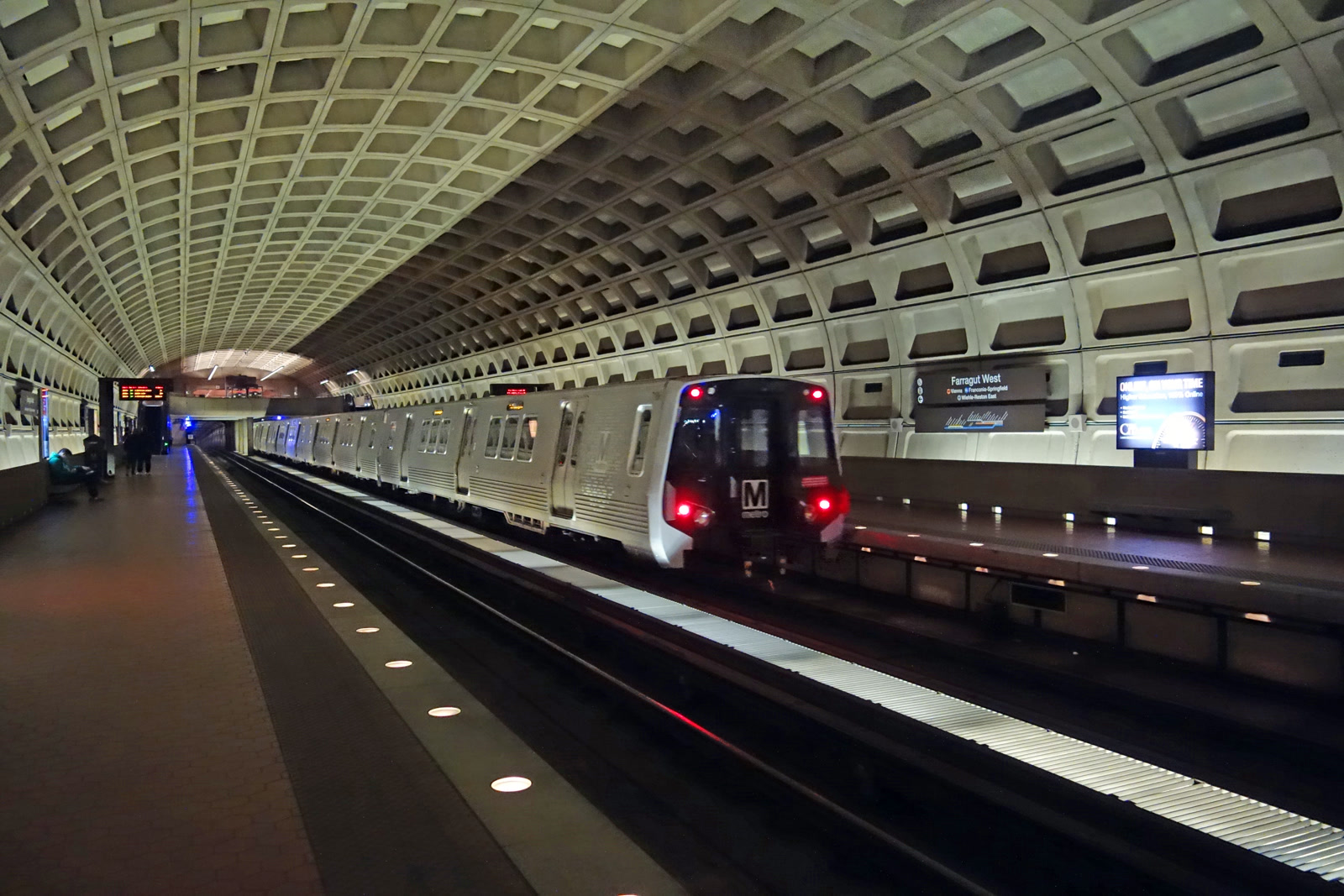
The Metro has six lines; the ones you will use most are Blue, Orange and Silver under the Mall, with stations at Smithsonian, Federal Triangle and L’Enfant Plaza, plus Red for Union Station and the zoo. Fares run $2.25 to $6.75 on weekdays depending on distance and time, and $2.25 to $2.50 late on weeknights and all weekend. Buses cost $2.25. Pay with a SmarTrip card ($2) or by tapping a contactless bank card or phone at the gates. Tap in and tap out: rail fares are calculated by distance. A one-day pass costs $13.50 and a three-day pass $33.75.
Reagan National is the easy airport: its own Metro station on the Blue and Yellow lines, minutes from downtown. Dulles is on the Silver Line, about 52 minutes to Metro Center. Baltimore-Washington International connects to Union Station by train.
Where to stay: the Mall edge or a neighbourhood
There are two good answers. The first is the Mall edge: Penn Quarter, around Gallery Place and Metro Center, or downtown near the White House. You pay more, but you walk out of your hotel and you are on the Mall in ten minutes.
The second is a neighbourhood: Capitol Hill around Eastern Market, Dupont Circle, or Logan Circle. These are quieter at night, with restaurants and cafes on the streets. Capitol Hill is the best of the three for this itinerary, because Day 1 starts and ends there. Dupont Circle is the best connected, with the Red Line and a straight walk to the Mall. Georgetown is the prettiest and the worst connected, with no Metro station of its own. Wherever you stay, check the Metro map before you book.
What to book first
Book in this order as soon as your dates are fixed. About 90 days out, send the White House tour request through your Member of Congress if you want one: requests are accepted 21 to 90 days ahead, they are free, and they are not guaranteed — treat it as a long shot, not a plan. The East Wing was demolished in October 2025, and tours resumed in December 2025 on a shorter route. If it does not work out, the free White House Visitor Center nearby needs no booking.
Thirty days out, book the timed tickets: the Washington Monument at 10 a.m. Eastern on Recreation.gov, the Lincoln undercroft, the zoo passes, the Library of Congress tickets, the African American history museum passes, and the Capitol tour pass. The week before you go, check the hours on the official sites once more: a federal holiday can close a building with little notice. And re-check the weather: summer is hot and humid, winter is cold, and the memorials are outdoors either way.
FAQ
Is 3 days enough for Washington DC?
Yes, for a first trip. Three days covers Capitol Hill, the monuments, two or three museums and one neighbourhood afternoon — the core of the city. It is not enough for every Smithsonian museum, or for day trips like Mount Vernon. A fourth day is best spent on the museums you skipped.
Do I need a car in Washington DC?
No. This itinerary is built on walking and the Metro, and a car would be a burden: parking near the Mall is scarce and expensive. The only reason to rent one is a day trip outside the city, and even then you can rent for a single day.
Can I do the zoo and the Mall in one day?
Not well. The zoo is in Woodley Park, a Metro ride from the Mall, and it deserves a morning of its own. In winter it closes at 4 p.m., so an afternoon visit is too short.
When is cherry blossom season?
Peak bloom usually falls in late March to early April, but the dates move every year, and the National Park Service only forecasts them reliably about ten days out. Book refundable rooms and expect crowds around the Tidal Basin: the blossoms are beautiful for a week and gone the next.
Do the Smithsonian museums really need booking?
Most do not. The big Mall museums are free and walk-in. Three need a free timed-entry pass: African American History and Culture, Air and Space on the Mall, and the National Zoo. Those are the three to book first.
The Short Version
This washington dc itinerary follows the city’s clocks: Capitol Hill first in the morning, the museums while they are open, and the memorials in the evening, when they are free, empty and lit up. Day 1 is the Capitol, the Library of Congress and the east Mall. Day 2 is the monuments, walked from the Lincoln Memorial east to the Washington Monument, with one museum in the afternoon and the memorials again after dark. Day 3 is one museum morning, Georgetown in the afternoon and the Wharf at sunset. Book the three free passes first, then the Monument and undercroft tickets 30 days out. Stay near a Metro station, walk everywhere, and do not rent a car.