
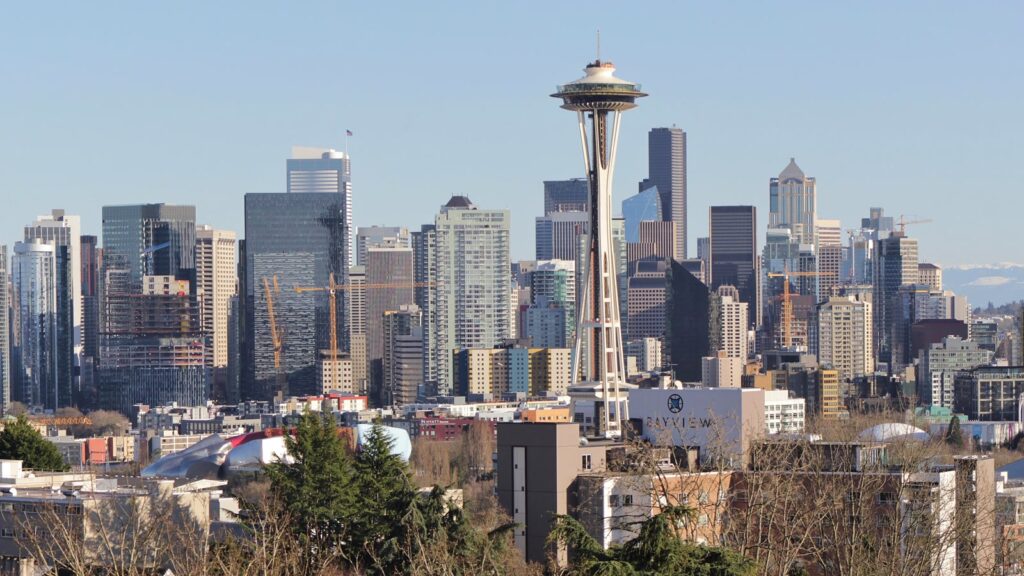
Seattle is a city of hills, water and coffee, and first-timers make the mistake of treating it like a flat grid. Downtown sits on a steep slope above Elliott Bay, the neighbourhoods worth visiting are scattered across ridges and peninsulas, and a plan that zig-zags between them burns half the day on buses and uphill walks. This seattle itinerary does the opposite: three days, one area per day, on foot wherever possible, no car at all. Day one is downtown and the waterfront, day two Seattle Center and the northern neighbourhoods, day three the water. Every price and hour below was checked in November 2026.
The hills rule: group by neighbourhood or pay for it
Seattle’s hills are not a metaphor. Pike Place Market sits on a bluff above the waterfront, and the walk from the market down to the piers is a long flight of stairs or a steep street you will climb back up. Capitol Hill, true to its name, is a climb from downtown. Queen Anne, where Seattle Center sits, is another hill. Group your day by area, do the far thing once, and let the rest of the day unfold around it.
The second rule is about the rain. Seattle averages around 150 days a year with measurable rain, but only about 37 to 39 inches in total — less than New York or Atlanta. What falls is usually drizzle, not downpour, and the dry season runs from mid-June to mid-September. The rain plan is simple: outdoor mornings, indoor afternoons, and never cancel a day for drizzle. A waterproof jacket beats an umbrella here — the wind off the water turns umbrellas inside out. If the forecast does turn genuinely wet, day two is your shelter: the Space Needle, Chihuly and the Museum of Pop Culture are all under cover at Seattle Center.
Day 1: Pike Place, the waterfront and Pioneer Square
Start at Pike Place Market, and start early. The market has been running since 1907, and it is open 8 a.m. to 6 p.m. Monday to Saturday and 8 a.m. to 5 p.m. on Sunday, closing only on Thanksgiving and Christmas Day. Arrive at 9 and you get the fish stalls, flower sellers and produce rows before the crowds thicken. Watch the fish throwers at Pike Place Fish Market, look for the original Starbucks store at 1912 Pike Place — the company opened its first shop in 1971 — and find the Gum Wall in Post Alley, which is exactly what it sounds like. Two hours here is about right, and most of it is free to look at.
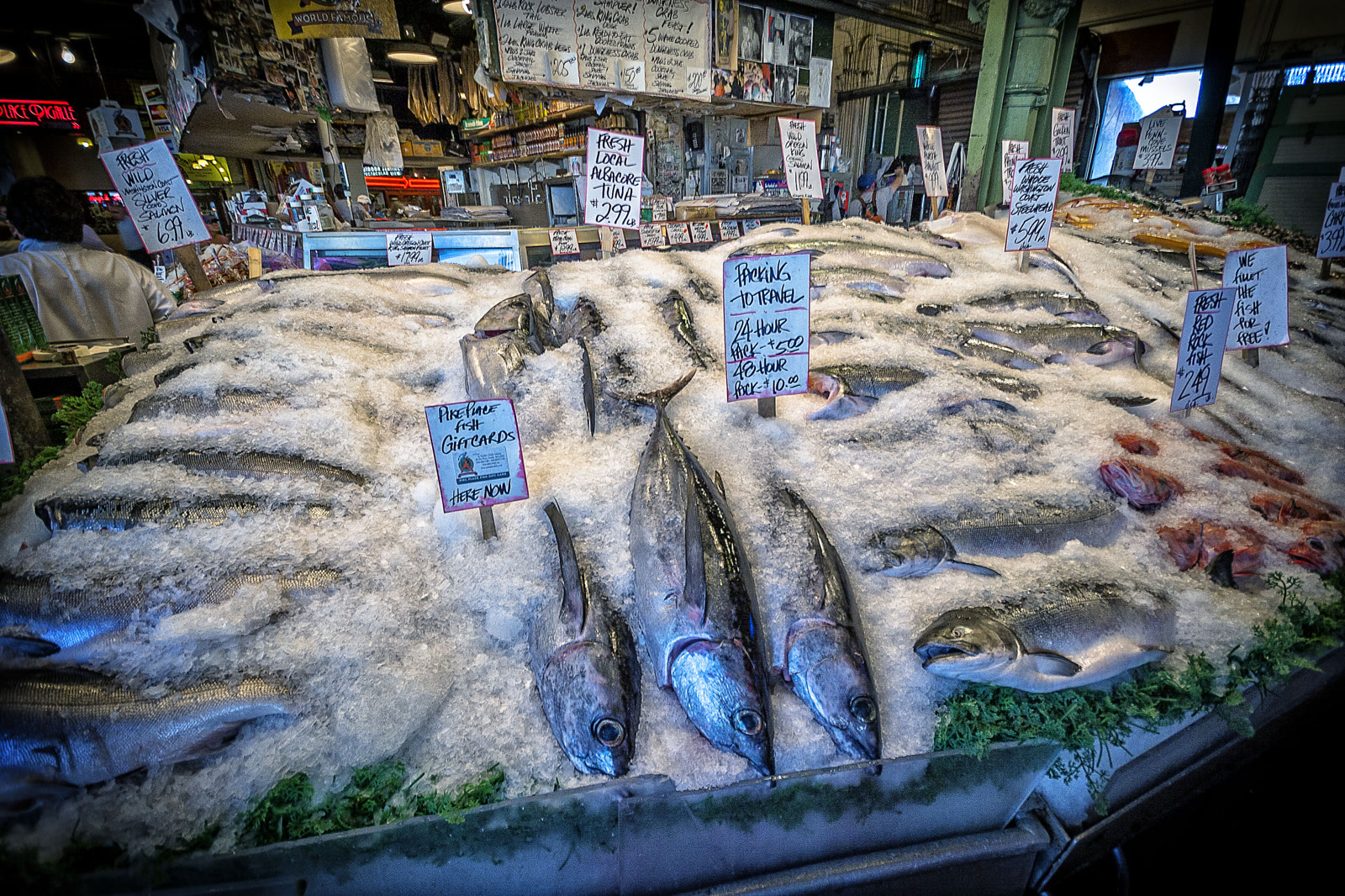
From the market, walk down to the waterfront. The reward is the water itself: Elliott Bay on one side, the Olympic Mountains across the water on a clear day. Walk south along Alaskan Way toward Pioneer Square, the city’s oldest neighbourhood, where the brick buildings date to the rebuild after the Great Seattle Fire of 1889. This is where the Seattle Underground Tour runs — a 75-minute guided walk through the storefronts and sidewalks buried when the streets were raised after the fire. It starts at 614 First Avenue, tours leave on the hour from 10 a.m. to 6 p.m., and adult tickets are about $30. Book it for the afternoon, when your legs want a slower pace. End the day around Occidental Square.
Day 2: Seattle Center, Capitol Hill and Fremont
Day two belongs to Seattle Center, the 1962 World’s Fair grounds that still hold the city’s big three. Take the monorail from Westlake Center: every ten minutes, $4 one way for adults, $2 for young people — America’s first full-scale commercial monorail. Book the Space Needle first: tickets are timed, general admission runs $35 to $55, and the price goes up if you buy on the day. The tower is 605 feet tall, the open-air deck sits at 520 feet, and the glass floor below — the Loupe — turns slowly. Allow 90 minutes, and go an hour before sunset if you can.
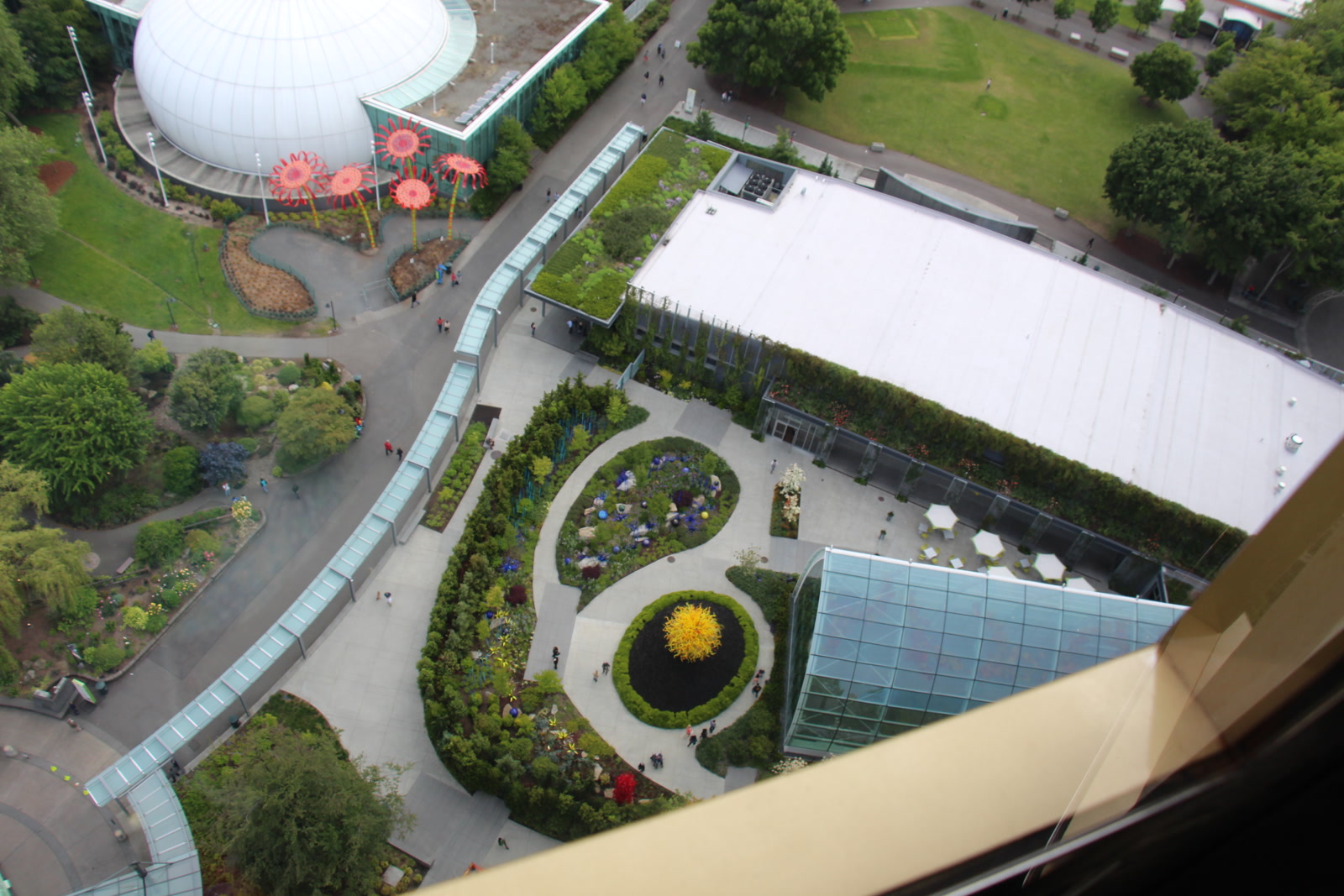
Next door, Chihuly Garden and Glass surprises people who do not care about glass. Eight galleries lead to a glasshouse with a 100-foot suspended sculpture, then a garden planted around four monumental pieces. Admission is $40 to $45 for adults, $35 to $40 for seniors and young people, and children under four go free. The Museum of Pop Culture sits on the other side of the Center in Frank Gehry’s crumpled-metal building, covering music, science fiction, horror and video games. Adult admission is about $28 to $36 depending on the date. Pick two of the three; all three is a lot, and the third deserves a fresh morning.
From Seattle Center, head up to Capitol Hill for the late afternoon — the neighbourhood for coffee and dinner. Do not go to the Starbucks Reserve Roastery on Pike Street: closed permanently on September 25, 2025, and the building is shuttered. The original store at Pike Place is the one to visit; the rest of the coffee worth drinking is in the small independent shops on Capitol Hill and in Fremont. End the day in Fremont, the self-declared Center of the Universe, where the Fremont Troll — a concrete giant clutching a real Volkswagen Beetle — lurks under the north end of the Aurora Bridge. Built in 1990, free, and the best photograph in the city that costs nothing.
Day 3: the Bainbridge ferry and Ballard
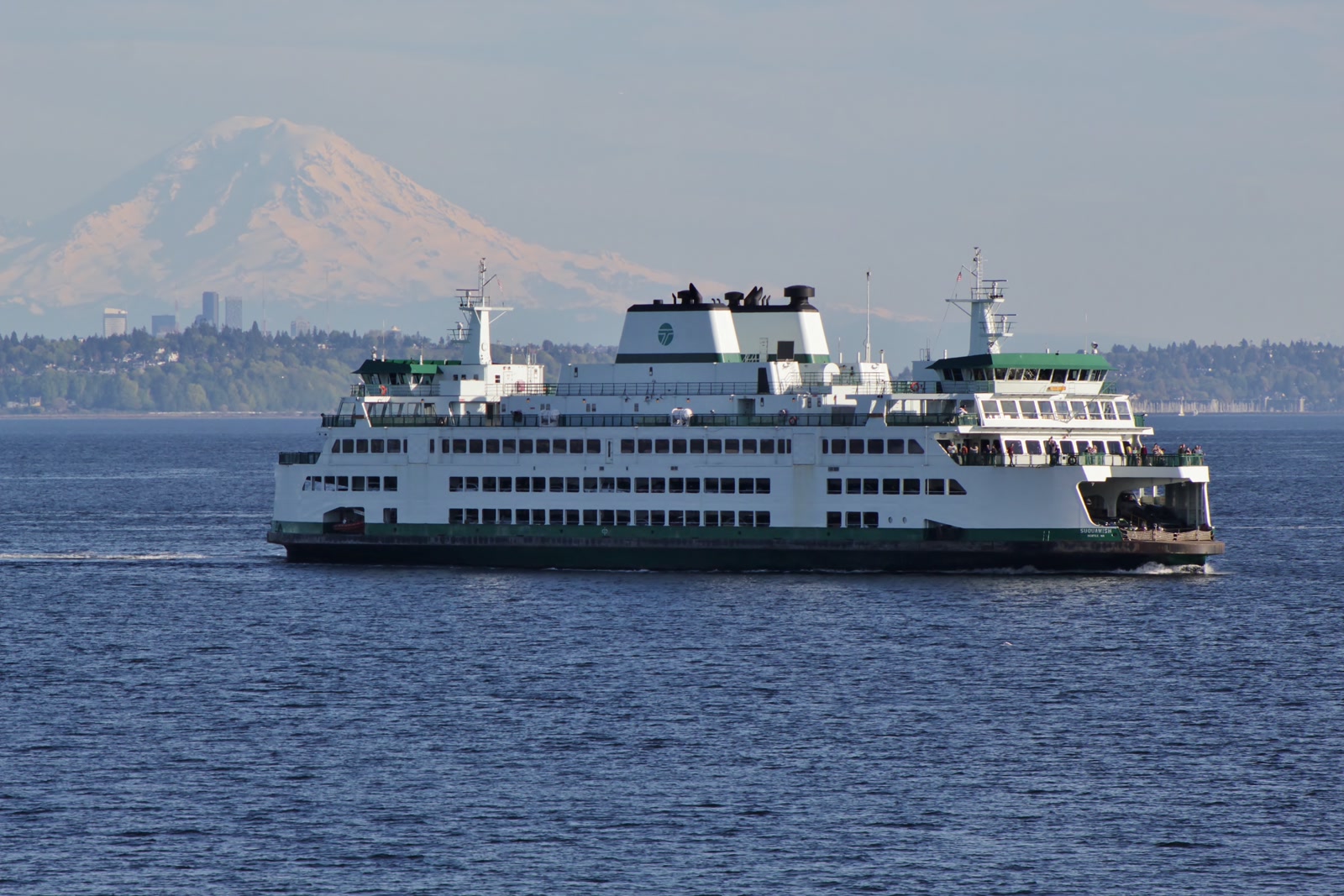
Day three starts on the water: walk to Colman Dock, Pier 52, and take the Washington State Ferries run to Bainbridge Island. The crossing takes about 35 minutes, and it is the cheapest sightseeing cruise in the city: an adult walk-on ticket is $11.35, collected in Seattle only, so the ride back is free. Young people 18 and under ride free, and seniors pay $5.65. Boats run roughly every 45 minutes to an hour, more often at commute times. On Bainbridge, the village of Winslow is a ten-minute walk from the dock — coffee, bookshops and a bakery before the ferry home.
Back in Seattle, take a bus or rideshare to Ballard for the afternoon. The Hiram M. Chittenden Locks, which everyone calls the Ballard Locks, are where the Lake Washington Ship Canal meets Puget Sound, and the grounds are open daily from 7 a.m. to 9 p.m., free. Boats rise and fall 22 feet through the locks, and the fish ladder’s underwater gallery lets you watch salmon swim upstream — September and October are peak months for chinook and coho. Ballard Avenue itself is the evening: old brick storefronts, breweries and restaurants, and the Sunday farmers market if your third day is a Sunday.
Mount Rainier: day trip or fourth day?
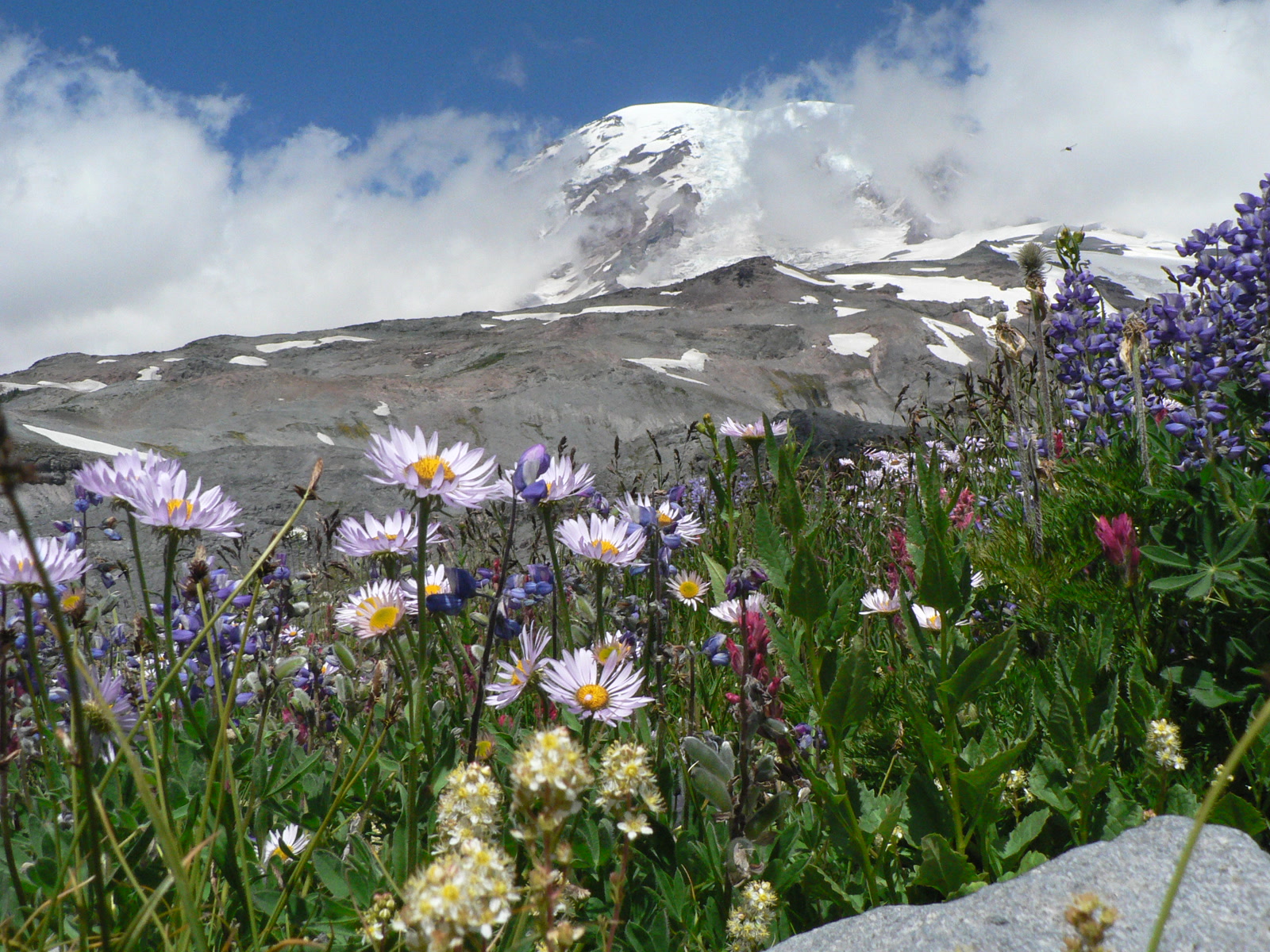
Mount Rainier is the question every Seattle itinerary has to answer, and the honest answer is that it eats a full day. The mountain is about 100 miles southeast of the city by road, and the drive to the Paradise area takes around two hours each way. In summer it is one of the great day trips in America: wildflower meadows at 5,400 feet, glaciers above, and the Skyline Trail out of Paradise. In winter it is a different trip. As of November 2026, Sunrise Road is closed for the season, the Longmire gate to Paradise opens around 9 a.m. and closes to uphill traffic at 3 p.m., and every vehicle in the park must carry tire chains from November 1 to May 1. There is no timed entry system in 2026, but the winter gate can close for weather at any time — check the Park Service road status the morning you go.
If you have a fourth day and it is summer, take it — Paradise, not Sunrise — and leave Seattle by 7 a.m. If you have only three days, do not squeeze it in. A rushed Rainier day costs you the Ballard afternoon and the ferry morning that make this itinerary work. A shorter taste of the Cascades is Snoqualmie Falls, about 30 miles east of Seattle and 30 to 45 minutes by car: a 268-foot waterfall with an easy viewpoint, and it fits into a morning if you have a car for the day.
Getting around: walking, light rail, monorail and ferries — no car
You do not need a car in Seattle: parking downtown is expensive, the hills make driving tiring, and the light rail covers the airport run better than any taxi. From Sea-Tac Airport, take the Link light rail 1 Line to Westlake station downtown: about 38 minutes, a flat $3 for adults, every 8 to 15 minutes, under-18s free. Inside the city, walk first: downtown, Pike Place, the waterfront and Pioneer Square are all within a mile of each other. The monorail covers the jump to Seattle Center, and buses fill the gaps to Capitol Hill, Fremont and Ballard — load an ORCA card on your phone and tap on. If you do rent a car for a Rainier or Snoqualmie day, pick it up that morning and return it the same evening.
Where to stay: downtown or Capitol Hill
Stay downtown to walk to everything on day one and day three: the hotels around Pike Place and Westlake put the market, the waterfront and the ferry terminal within ten minutes on foot, and the monorail to Seattle Center is right there. The trade-off is price and noise. Stay on Capitol Hill for the better evenings — cheaper rooms, the best coffee and restaurants, and a neighbourhood that feels lived-in. The trade-off is the hill: a 15-minute walk down in the morning and a climb back at night, though the light rail through Capitol Hill station takes two minutes. Do not stay near the airport to save money: doing the light rail twice a day for three days eats the time you came for.
What to book first
Three things in Seattle sell out or get expensive if you leave them late — book them the moment your dates are set. First, the Space Needle: timed tickets, and the price rises closer to the day. Second, the Underground Tour: it runs on the hour and the popular afternoon departures fill up, especially on weekends. Third, your ferry timing: the Bainbridge boats need no booking for walk-ons, but check the live schedule the morning you go — sailings are sometimes cancelled for crewing. Everything else — Chihuly, MoPOP, the locks, the Troll — can be bought on the day. And one thing not to book: any tour that still lists the Starbucks Reserve Roastery as a stop — it has been closed since September 2025.
FAQ
Is 3 days enough for Seattle?
Yes, for a first trip. Three days covers downtown and the market, Seattle Center, two or three neighbourhoods and a ferry crossing. Mount Rainier needs a fourth day.
Do I need a car in Seattle?
No. The light rail runs from the airport to downtown, the monorail covers Seattle Center, and buses reach Capitol Hill, Fremont and Ballard. A car only helps for Mount Rainier or Snoqualmie Falls, and then only for that one day.
What if it rains the whole time?
It almost certainly will not rain the whole time — Seattle’s rain is usually drizzle, and even in the wet months there are dry hours most days. Keep the plan, wear a waterproof jacket, and move the indoor stops to the wettest hours.
When is the best time to visit Seattle?
Mid-June to mid-September is the dry season, with the longest days and the best chance of seeing the mountains — and the biggest crowds. Late September and October bring thinner crowds and the salmon run at the Ballard Locks. Winter is cheapest, but the days are short and Mount Rainier’s high roads are closed.
Is the Bainbridge ferry worth it?
Yes, and not just for Bainbridge itself. The 35-minute crossing is the best view of the Seattle skyline you will get, it costs $11.35 with the return free, and Winslow is a pleasant slow morning. If you only want the view, ride over and come straight back on the next boat.
Can I do Mount Rainier as a day trip from Seattle?
Yes, in summer, if you leave by 7 a.m.: about two hours each way to Paradise. In winter, check the Park Service road status first — Sunrise Road is closed for the season, the Paradise gate opens around 9 a.m. and closes to uphill traffic at 3 p.m., and chains are required from November 1 to May 1.
The Short Version
This seattle itinerary works because it groups the city by neighbourhood: day one downtown and the waterfront, day two Seattle Center and the northern neighbourhoods, day three the ferry and Ballard. No car, no zig-zagging. Book the Space Needle and the Underground Tour ahead, take the $3 light rail from the airport, keep a waterproof jacket handy, and give Mount Rainier a fourth day of its own.