
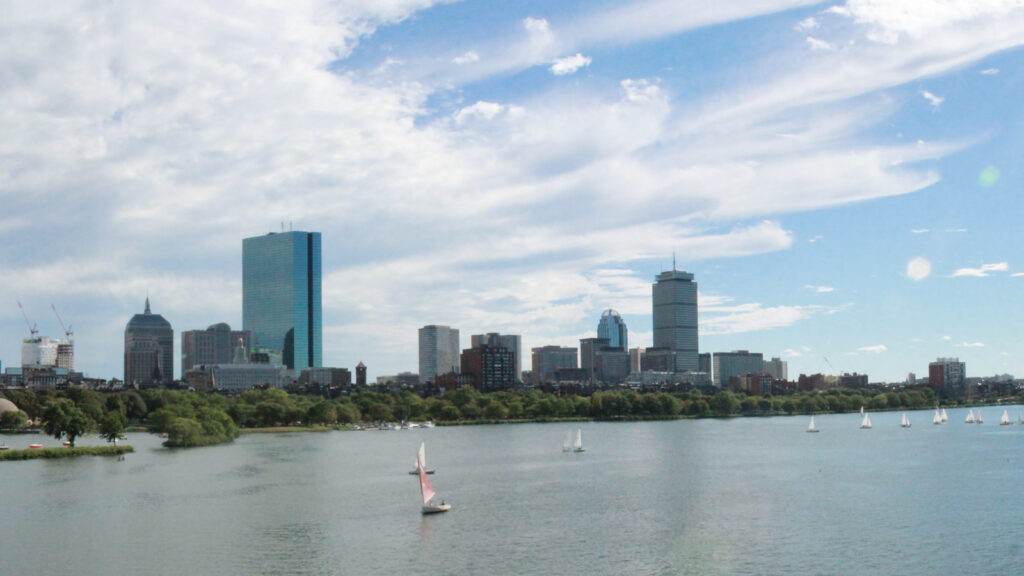
Boston is the easiest big American city to do without a car — the whole secret of this boston itinerary. The historic core is one walkable cluster, the subway is cheap, and three days is exactly enough: the Freedom Trail and the North End, Back Bay and one museum, then the harbour and Cambridge.
The no-car rule: walk first, tap second
Do not rent a car for Boston. The city was laid out before cars existed, parking is expensive and scarce, and the subway — locals call it the T — reaches everything in this plan. A single ride costs $2.40, a 7-day pass $22.50, and the Silver Line SL1 bus from Logan Airport to South Station is free.
The rule is simple: walk first, tap second. Most days cover two or three miles on foot, all flat except the optional climb to Bunker Hill. Use the T to jump between neighbourhoods — Park Street to Harvard Square, Copley to the Aquarium — and walk inside each one. The best things here are a red line in the sidewalk, a library reading room and a plate of pasta on a narrow street, and none of them has a parking lot.
One more rule: pick one museum, not two. The Museum of Fine Arts and the Isabella Stewart Gardner Museum each deserve half a day; trying both in one day leaves you exhausted and remembering neither. Day 2 makes the choice for you.
Day 1: the Freedom Trail and the North End
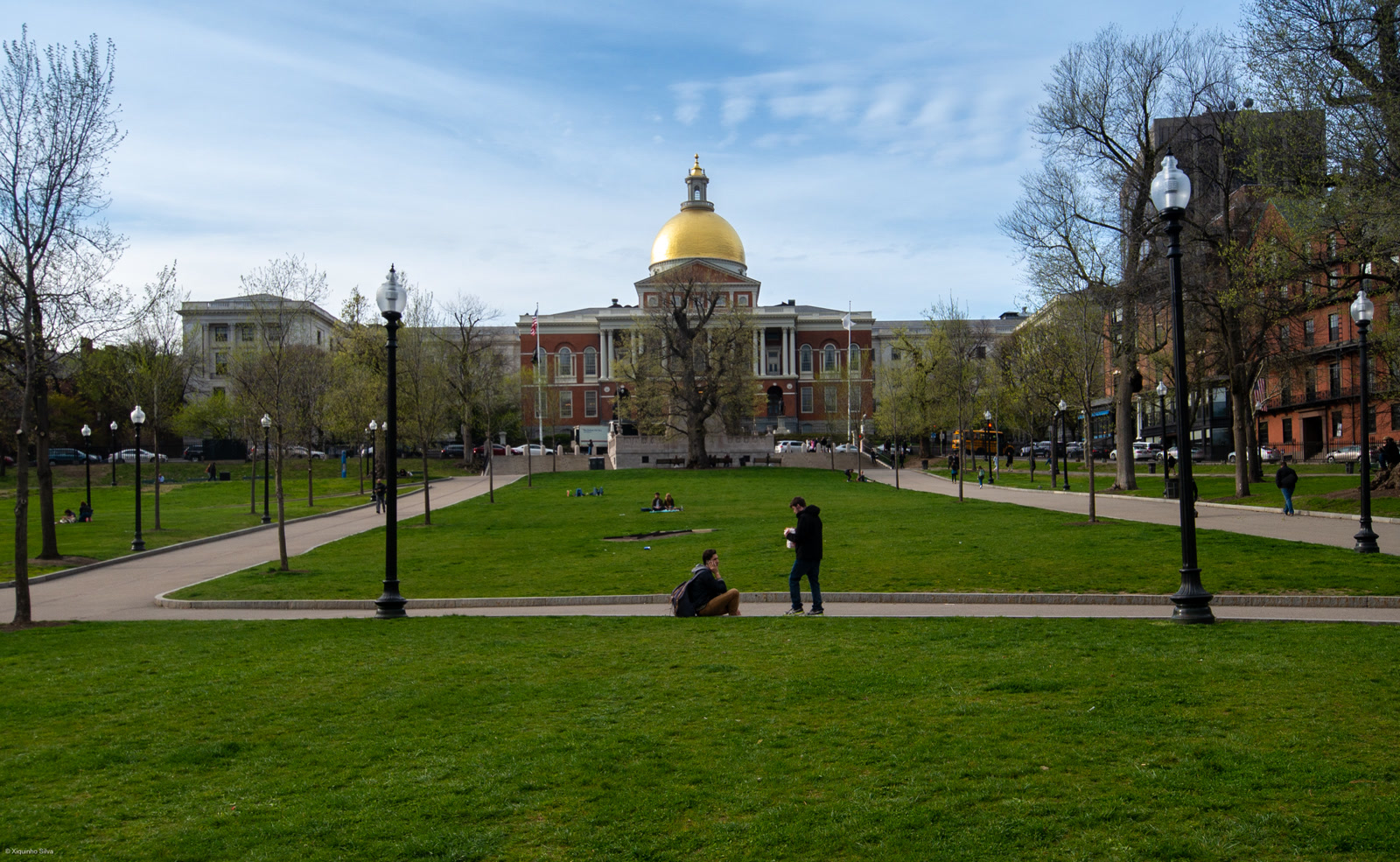
Start at Boston Common, America’s oldest public park, laid out in 1634. The Freedom Trail begins at the visitor center on Tremont Street: 2.5 miles of brick and paint in the sidewalks, linking 16 sites from the Common to the Bunker Hill Monument in Charlestown. Following the line costs nothing. Four buildings along it charge admission — the Old State House, the Old South Meeting House, the Paul Revere House and the Old North Church — and the rest is free from the street.
Walk it in order. The first stretch stays around the Common: the gold-domed State House, Park Street Church and the Granary Burying Ground, where Paul Revere and Samuel Adams are buried. Then downtown — King’s Chapel, the Old South Meeting House, the Old State House, the Boston Massacre site and Faneuil Hall. The official 90-minute tour covers the first mile; on your own, allow three to four hours, or six to eight with interiors and the climb.
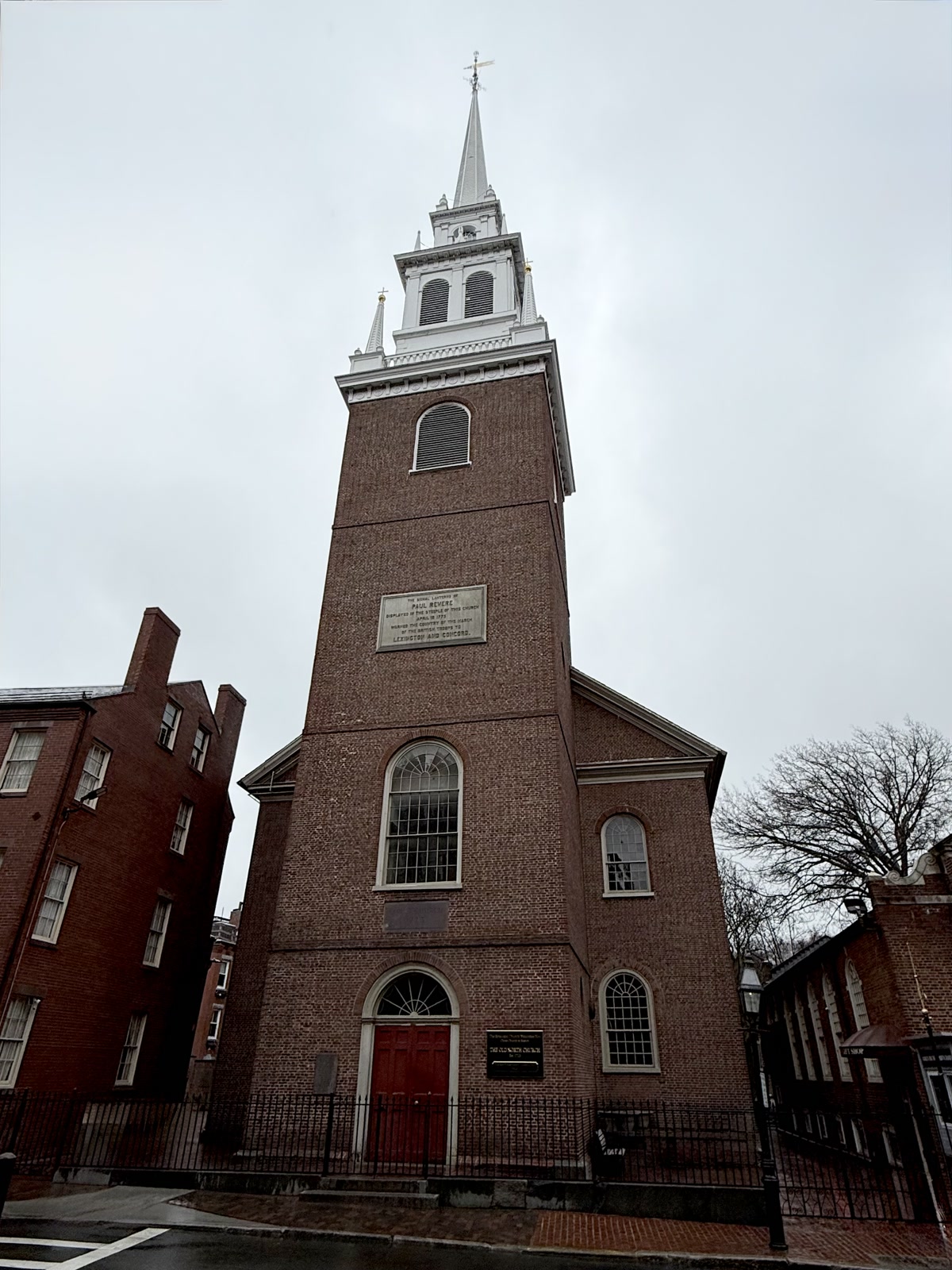
Cross into the North End for the afternoon and slow down. This is Boston’s oldest neighbourhood, a tight grid of narrow streets that still feels Italian: bakeries, cafes and restaurants on every corner. The Paul Revere House and the Old North Church sit here — the church is the one from the “one if by land, two if by sea” lanterns. Then put the history down and eat: dinner in the North End is the best meal of the trip, so pick a small place with a line of locals, not the one with a host calling you in from the sidewalk.
Day 2: Back Bay, one art museum and the Charles
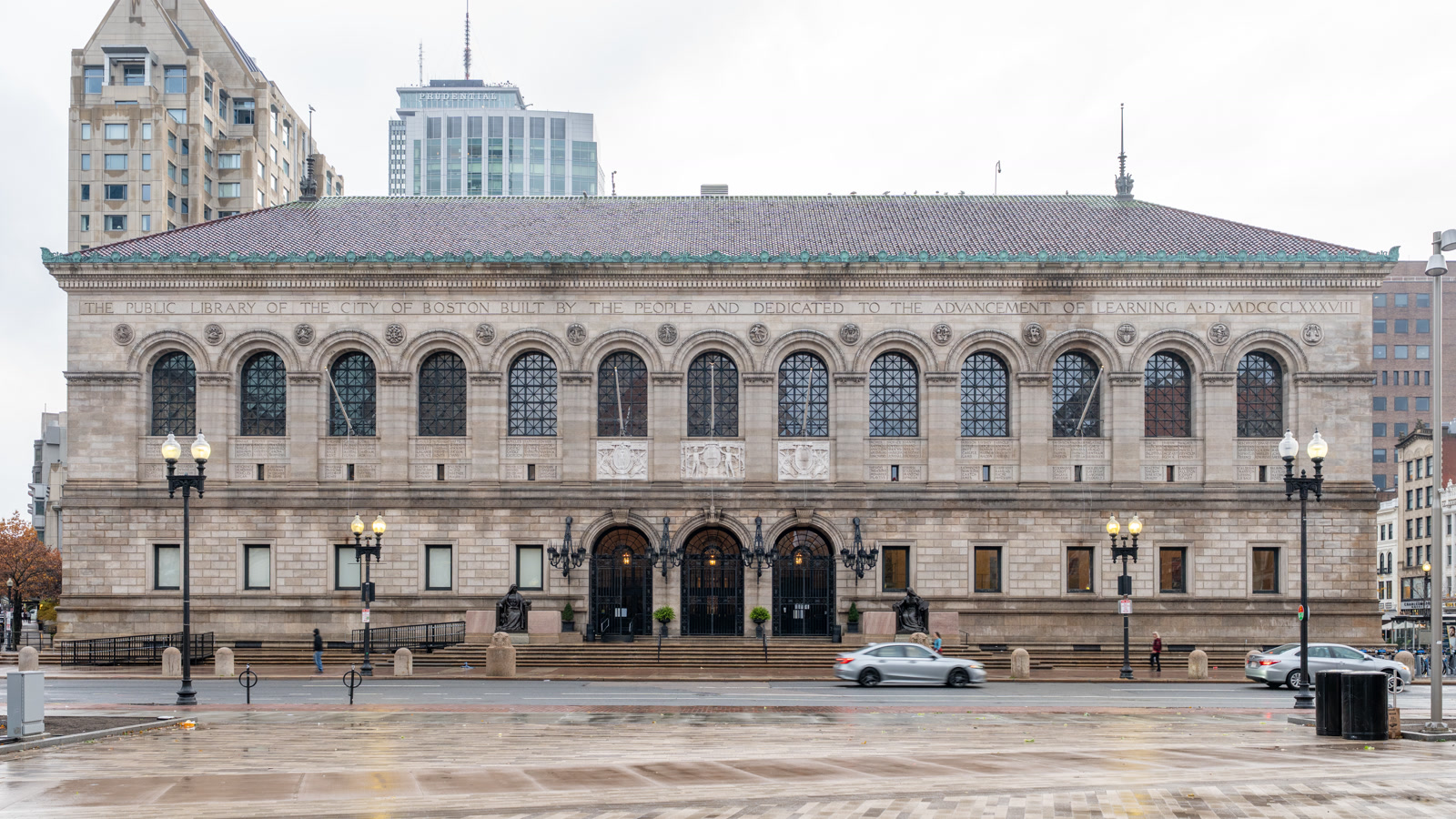
Day 2 belongs to Back Bay, the neighbourhood Boston built on filled-in marshland in the 1800s — the prettiest walking in the city. Start on Newbury Street, eight blocks of brownstones, boutiques and cafes, and walk east to Copley Square. The square holds Trinity Church, a great red-stone Romanesque church from 1877, and the Boston Public Library, free to enter. The library’s 1895 McKim Building has a courtyard, murals and the grand Bates Hall reading room, with staff-led tours weekly if you register ahead.
After lunch, make the museum choice. The Museum of Fine Arts, on Huntington Avenue, is the big one: nearly 500,000 works, from ancient Egypt to the American Wing, at $30 for adults and free for children 6 and under. The Gardner, minutes away, is the opposite kind of museum: a Venetian palazzo built around a garden courtyard by one woman, Isabella Stewart Gardner, her collection left exactly as she arranged it — including the empty frames where paintings were stolen in 1990 and never recovered. Admission is $25 for adults, free for everyone 17 and under and for anyone named Isabella. Both close on Tuesdays. Pick the MFA for scale, the Gardner for atmosphere, and give it the afternoon.
Finish the day along the Charles River. The Esplanade, the park on the Boston side, is the city’s evening walk: joggers, rowers, the skyline behind you and Cambridge across the water. Note the season for the Swan Boats in the Public Garden lagoon next door: in 2026 they ran April 18 to September 7 and are closed until April 2027, so do not plan a winter visit around them.
Day 3: the harbour and Cambridge — or the indoor branch
Day 3 starts on the water. The harbour is the part first-timers underestimate, and the morning gives you three good options. The New England Aquarium, on Central Wharf, is the family favourite: penguins, seals and a four-storey Giant Ocean Tank, adult admission from about $40, timed entry. The narrated Historic Harbor Cruise leaves Long Wharf, about an hour from $46. Or take the Boston Duck Tour, the amphibious bus that drives the streets then splashes into the Charles: 80 minutes from $57 for adults, from the Museum of Science, the Prudential Center or the Aquarium. The ducks run late March into November, so check the calendar before a winter trip.
In the afternoon, cross the river to Cambridge. Harvard Square is one Red Line stop from downtown, and Harvard Yard is free to walk. The university’s official student-led tour is free too, 45 to 60 minutes — but it needs advance registration, so book before you travel. If you miss a spot, the free Visit Harvard app has a self-guided audio tour of the same stops. The Harvard Art Museums, three collections under one roof, are free for all visitors. Give Harvard Square half an hour: bookshops, cafes and street musicians.
The indoor branch, for a rainy or freezing day, swaps the harbour for museums: the Museum of Science, on the Charles, or the Boston Tea Party Ships & Museum, where you board replica ships and throw tea into the harbour. The Tea Party Museum uses timed entry, adult tickets from $35 — book online. End the day with dinner on the waterfront near Long Wharf.
Salem as a day trip: worth it or not?
Salem is the day trip every Boston guide mentions, and the honest answer depends on what you want. The train makes it easy: the MBTA Commuter Rail’s Newburyport/Rockport Line runs direct from North Station to Salem in about 30 to 35 minutes, one-way $8. Salem is in Zone 3, so buy a Commuter Rail ticket — your CharlieCard does not cover it.
What you get is a small, walkable town built around the 1692 witch trials: the Witch House, the Witch Trials Memorial, the Peabody Essex Museum and a harbour front. It is a good half-day, a full day with the museum. But it costs half of Day 3, and this itinerary already fills three days without it. Go if the witch trials are why you came to Massachusetts, or if you have a fourth day; skip it if you would rather spend the afternoon in Cambridge. And never drive to Salem in October, when Halloween crowds turn a 30-minute trip into a traffic jam — the train is the only sane way in that month.
Where to stay: Back Bay, Beacon Hill or the North End
Where you sleep is a question of how much you want to walk. Back Bay is the best base for a first trip: central, flat, safe at night, on the Green Line, with Copley Square and Newbury Street outside the door. Beacon Hill is the prettiest, all brick sidewalks and gas lamps, but the rooms cost more and the hill is real. The North End puts you inside the food, but the streets are narrow, the rooms small and it is loud late at night. Stay central — Back Bay, Beacon Hill, the North End, Downtown or Cambridge near Harvard Square — and check whether breakfast is included.
Getting around: the T, the CharlieCard and walking
Boston’s subway has five lines, and this itinerary uses three: the Red Line from Park Street to Harvard Square, the Green Line to Fenway and the Museum of Fine Arts, and the Blue Line to Aquarium station, two minutes from the waterfront. Every ride costs $2.40, and you can tap a contactless bank card or phone at the gates. A CharlieCard, the reloadable plastic card, costs nothing and gives the same $2.40 fare; a 1-day pass is $11 and a 7-day pass $22.50, both worth it if you ride more than four times a day.
Two things to know. First, the T does not run all night: most lines run from around 5 a.m. to about midnight, so plan late dinners around a taxi or a ride-hailing car. Second, children under 11 ride free. Walking covers the rest — downtown, the North End, Beacon Hill and Back Bay are all compact. Wear shoes you can stand in for six hours: that is a Boston day.
What to book first (Fenway tour, Duck Tour, Tea Party Museum)
Boston needs little advance booking, but four things sell out or need a slot. Book these first, in this order. The Harvard student-led tour needs advance registration, released on a rolling basis — do it as soon as your dates are set. The Tea Party Ships & Museum uses timed entry, so pick your slot online. The Duck Tour sells out on summer weekends, often by noon, and tickets go on sale 30 days ahead. The Fenway Park tour, at $30 for adults, turns the ballpark from the outside into the inside.
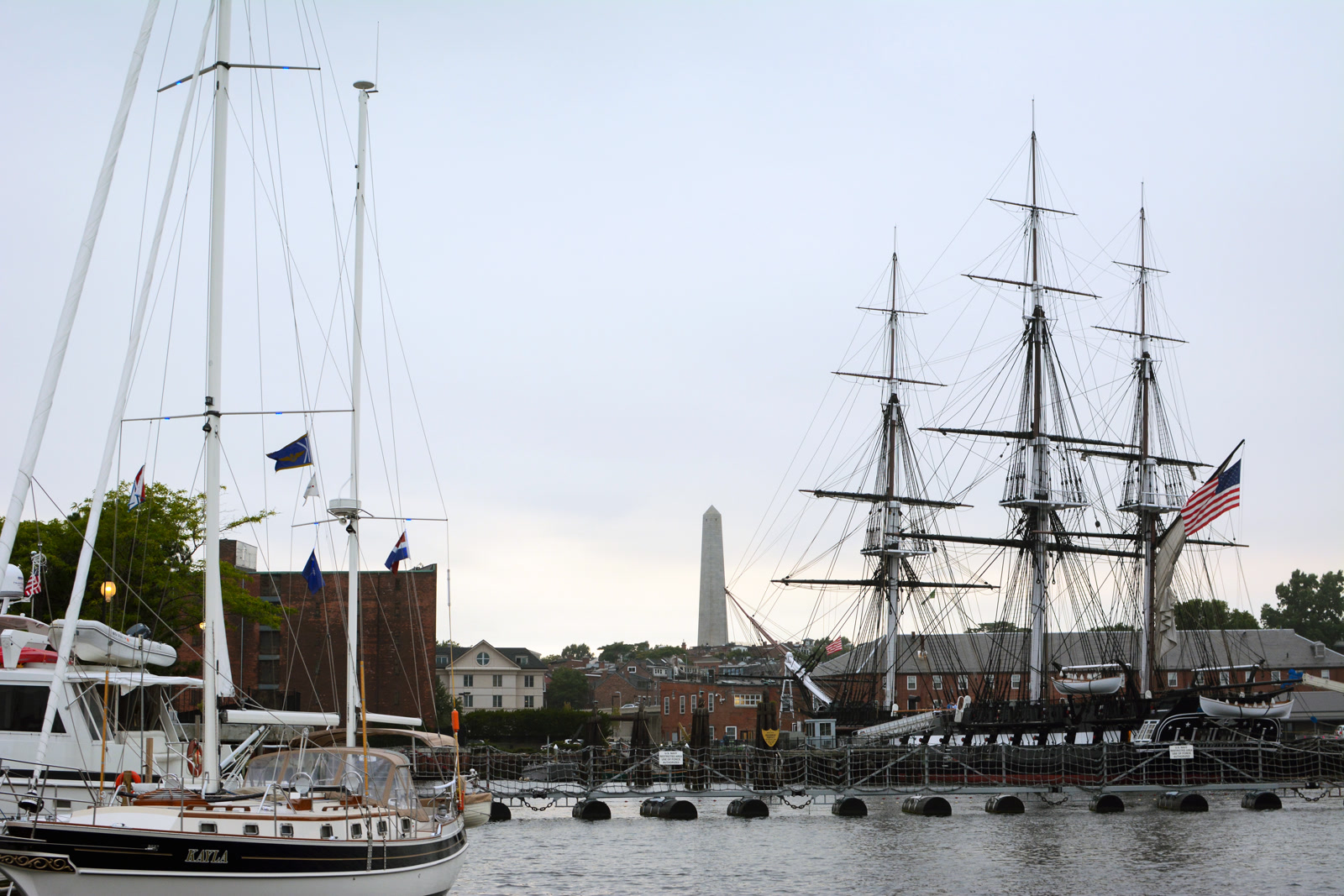
Everything else can be decided on the day. The Freedom Trail needs no ticket, the USS Constitution is free to board — Tuesday to Sunday, 10 a.m. to 6 p.m. per the U.S. Navy, with a physical photo ID for visitors 18 and over (hours can change at short notice, so check the Navy’s site the morning you go) — and the Boston Public Library is free to walk into. If the Aquarium and the Museum of Science are both on your list, check the Boston CityPASS first: $84 for an adult, four attractions from seven, valid nine days. It only saves money if you use at least three of the four.
FAQ
Is 3 days enough for Boston?
Yes, for a first trip. Three days covers the Freedom Trail, the North End, Back Bay, one big museum, the harbour and Cambridge. A fourth day buys Salem or a second museum.
Do I need a car in Boston?
No. This whole itinerary runs on walking and the T; a car would only add parking bills.
What is the best time of year to visit Boston?
Late spring and early autumn. May and June bring warm days and the Swan Boats; September and October bring cool air and fall colour. Summer is busy and humid, and winter is genuinely cold — January averages a high of about 36°F — but the museums, the library and the Tea Party ships run year-round.
Is the Freedom Trail really free?
Walking it is. The red line costs nothing, and most of the 16 sites are free to see from outside. Four buildings charge admission, and the guided tours charge too, but the whole 2.5 miles can be walked without paying a cent.
Should I buy the Boston CityPASS?
Only if the New England Aquarium, the Museum of Science and two more of its seven attractions are already on your list. At $84 for four admissions over nine days, it saves money at three uses, wastes it at two.
Can I do Salem and Boston in 3 days?
Only by cutting something. Salem is a half-day by train, but this itinerary already fills three days. Add a fourth day for Salem, or swap it for the Cambridge afternoon on Day 3.
The Short Version
The boston itinerary that works is three days, no car, one cluster per day. Day 1: the Freedom Trail from Boston Common to the North End, 2.5 miles of free history, dinner on Hanover Street. Day 2: Back Bay, the free Boston Public Library, and one museum — the MFA at $30 or the Gardner at $25, not both. Day 3: the harbour in the morning, Harvard Yard in the afternoon, or the indoor branch if the weather turns. The T costs $2.40 a ride, the Silver Line from the airport is free, and the Swan Boats are closed until April 2027. Book the Harvard tour and the Tea Party Museum ahead; the rest can wait.