
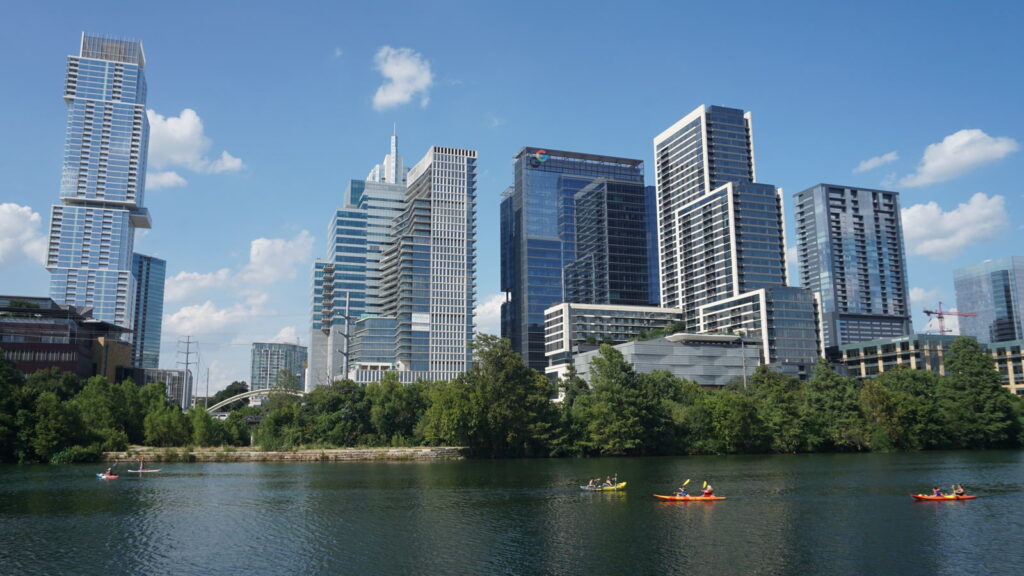
Austin is the easiest Texas city to get wrong in three days. Most first-timers try to see everything and end up exhausted in the heat by the second afternoon. This austin itinerary takes the opposite approach: one cluster a day, timed to the clocks that run the city, and one car day only. Day one is the Capitol, downtown and the bats. Day two is South Congress and the water. Day three is the west side and the Hill Country. Every price and hour below was checked in November 2026.
The clocks rule: plan around barbecue, bats and heat
Austin runs on clocks, and this austin itinerary is built around three of them. The famous barbecue sells out by early afternoon, so it is a lunch plan, never a dinner plan. The bats fly at dusk, and only in season. Barton Springs is best before the heat, and Hamilton Pool will not let you in without a reservation.
The heat is the fourth clock. Austin averages about 29 days a year at 100 degrees or hotter, most of them from June through September. In summer, do the outdoors in the morning and the evening, and treat the afternoon as pool time or museum time.
One more warning: the festival weekends rewrite everything. South by Southwest runs March 15 to 21, 2027. Austin City Limits takes over Zilker Park for two October weekends — the 2027 dates are not announced yet, and 2026 ran October 2 to 4 and October 9 to 11. The Formula 1 United States Grand Prix is October 22 to 24, 2027, at Circuit of The Americas. On those weekends hotel prices jump and crowds double, and this plan becomes the off-day guide.
Day 1: the Capitol, downtown and the bats
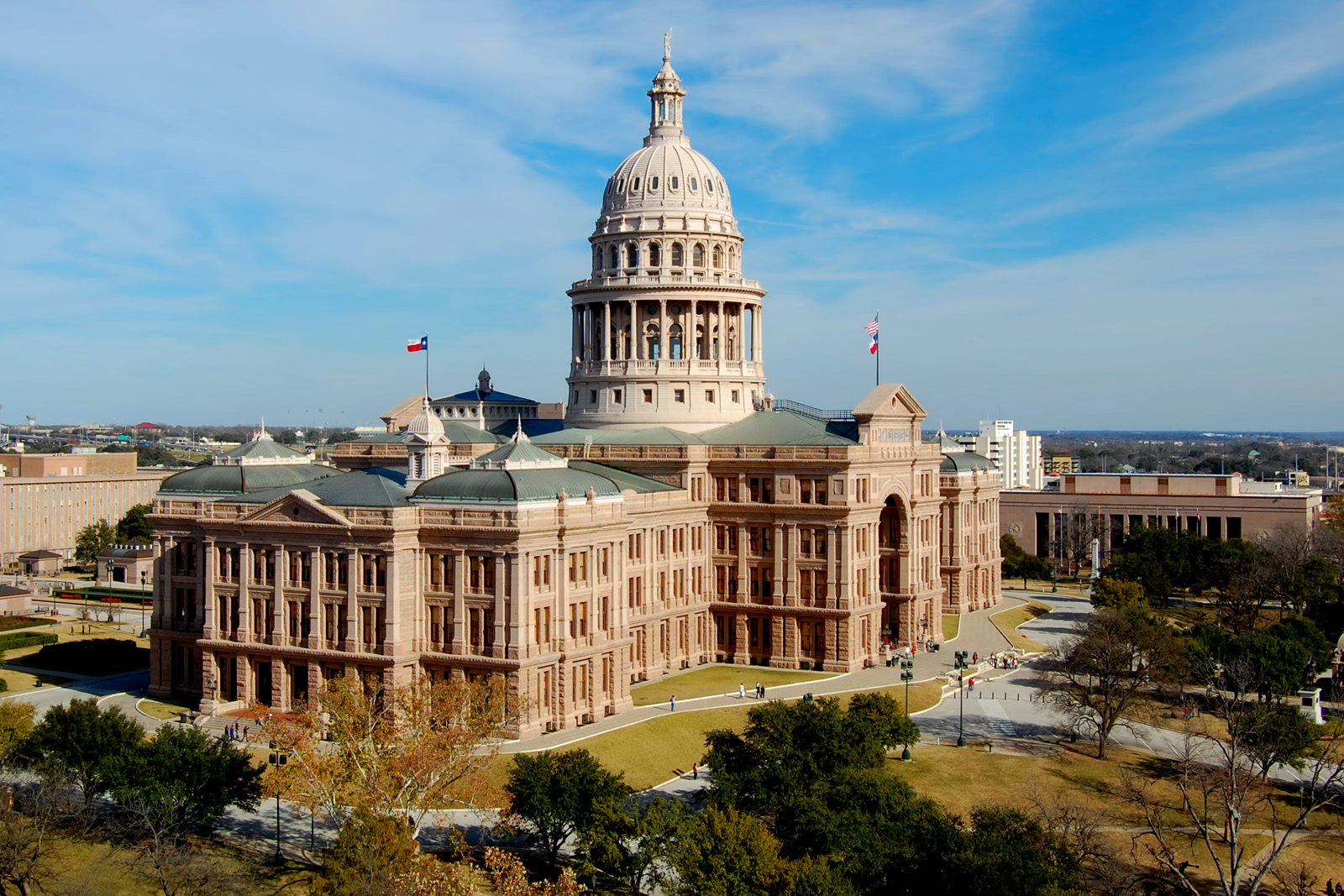
Day one of this austin itinerary starts at the Texas State Capitol, at 1100 Congress Avenue. It was built in 1888 of pink Sunset Red granite, and at 302.64 feet it stands about 15 feet taller than the United States Capitol in Washington. Admission is free, and so are the guided tours, about 30 minutes from the South Foyer. The building is open Monday to Friday, 7 a.m. to 8 p.m., and Saturday and Sunday, 9 a.m. to 8 p.m., and it closes on Easter, Thanksgiving, Christmas Eve, Christmas Day and New Year’s Day.
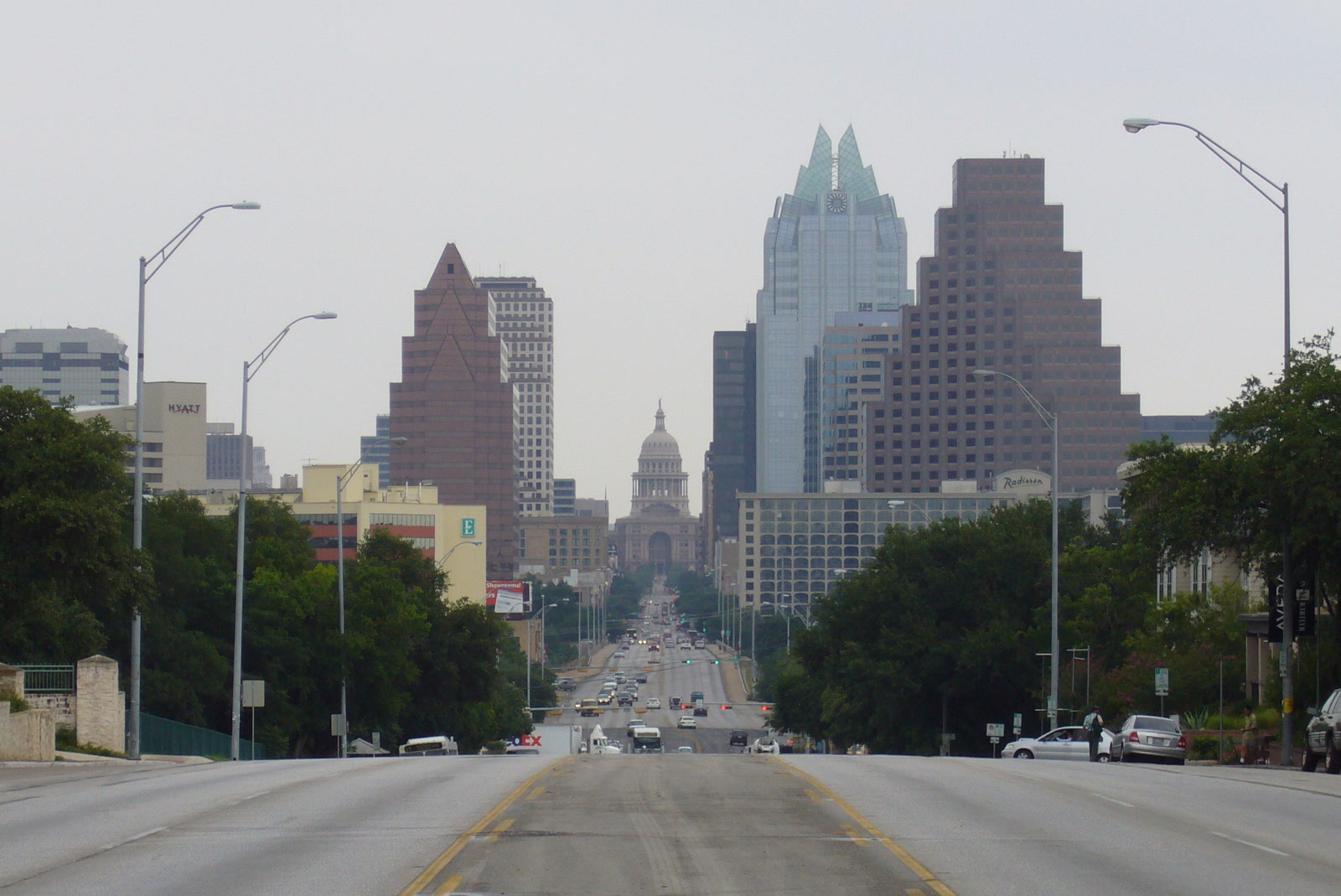
Across the street is the Bullock Texas State History Museum, for the Texas story behind the building. Then walk down Congress Avenue toward the river: this is the spine of downtown, and the walk itself is the sightseeing. Eat lunch wherever looks busy downtown, then spend the late afternoon on Rainey Street, old bungalows turned into bars with food trucks out front.
The evening belongs to the bats. Under the Ann W. Richards Congress Avenue Bridge lives a colony of about 1.5 million Mexican free-tailed bats, the largest urban bat colony in North America. Here is the honest season, because the sources disagree: the official visitor site says April through October, while the bat groups say the first bats arrive in March and the colony peaks in late summer, with the last flights in late October or early November. Either way, from November through February the bridge is empty, so do not plan a bat night in winter. In season, the bats pour out around sunset in a stream that can last up to 45 minutes. Arrive 30 to 45 minutes before sunset; the best free spot is the southeast side of the bridge at the Statesman Bat Observation Center. Call the Bat Hotline at (512) 327-9721 that afternoon for the flight time on your exact day. After the bats, stay on Rainey Street or walk up to Sixth Street for live music.
Day 2: South Congress and Barton Springs
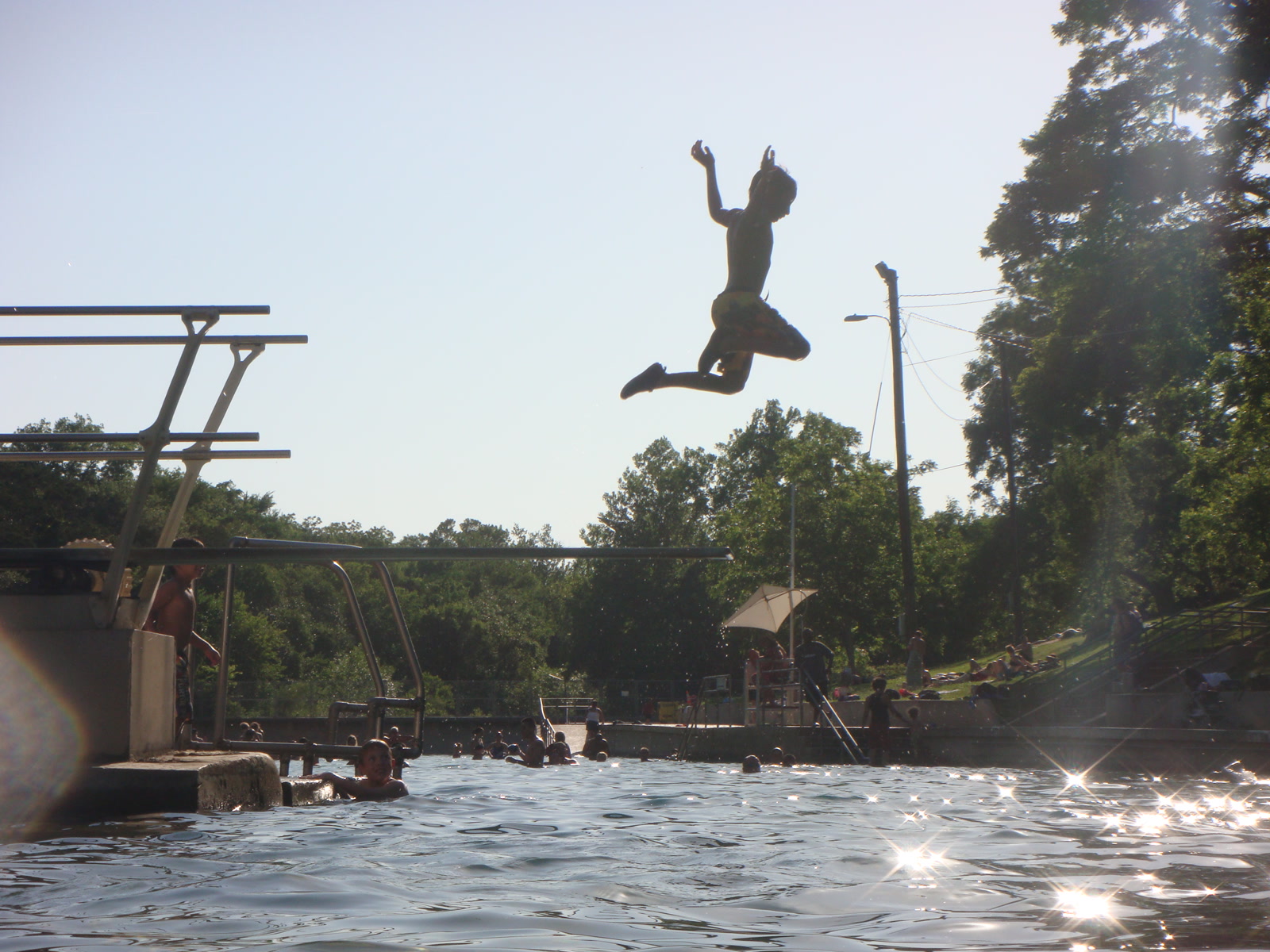
Day two starts in the water, while it is still empty. Barton Springs Pool is a three-acre spring-fed pool inside Zilker Park, and the water stays 68 to 70 degrees all year. It opens daily at 5 a.m. and closes at 10 p.m.; the early hours, 5 to 8 a.m., are swim at your own risk, and guarded swimming runs from 8 a.m. to 10 p.m. Thursday is the catch, and it trips up visitors constantly: the own-risk window runs 5 to 9 a.m., then the pool closes for cleaning from 9 a.m. to 7 p.m., and guarded swimming returns from 7 to 10 p.m. Admission is only charged from Spring Break through the end of October: adults pay $5 as Austin residents or $9 as non-residents, children ages 1 to 11 pay $2 or $4, juniors ages 12 to 17 pay $3 or $5, and seniors 62 and older pay $2 or $5. Infants and honorably discharged veterans swim free. Heavy rain can close the pool outright, so check the city’s park closures page before a special trip. Below the dam, the free stretch locals call Barking Springs is the dog-friendly side, and it never closes.
Lunch is the barbecue decision, and it is the one meal of the trip that needs a plan. Franklin Barbecue, at 900 East 11th Street, opens Tuesday through Sunday at 11 a.m. and closes when the meat sells out, usually around 2 or 3 p.m., and it is closed on Mondays. The line starts before opening: arrive around 9 a.m. on weekdays and 8 a.m. on weekends, and expect to wait one to two hours. You can pre-order whole briskets online weeks ahead. Here is the honest answer: the brisket is the best in the city, and the line is two hours of your holiday. If you love barbecue, go and arrive early. If you do not, walk ten minutes from the pool to Terry Black’s Barbecue, at 1003 Barton Springs Road, open daily about 10:30 a.m. to 9:30 p.m., and to 10 p.m. on Friday and Saturday. You walk in, order at the counter, and sit at a communal table. No line worth planning around.
The afternoon is South Congress Avenue: the shops, the murals and the food trucks on the city’s most walkable street. The “I love you so much” mural outside Jo’s Coffee is the photo stop, and the street rewards a slow wander more than a checklist. Stay for dinner on the avenue, then end the night at the Continental Club, the old live-music room on South Congress.
Day 3: Mount Bonnell and the Hill Country water
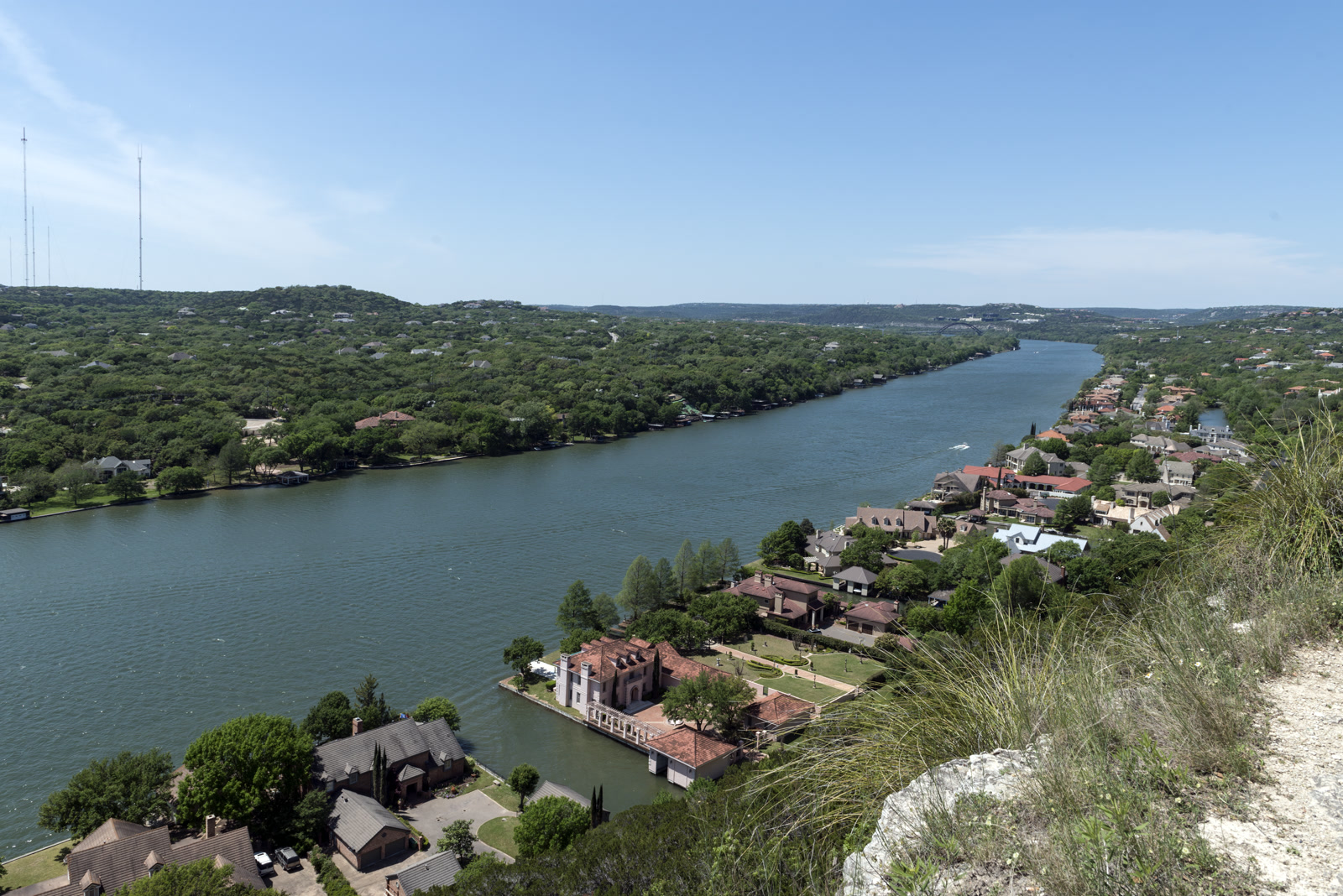
Day three is the car day, and it starts with a climb. Mount Bonnell, in Covert Park, is one of the highest points in Austin, reached by 102 stone steps, and the reward is the view: Lake Austin and the Colorado River below, the downtown skyline in the distance, and the 360 Bridge to the west. The park is open daily from 5 a.m. to 10 p.m. and admission is free, but there is no water at the top, so bring your own.
Then drive west to Hamilton Pool Preserve, about 30 miles from downtown near Dripping Springs, roughly a 55-minute drive. It is a collapsed grotto with a 50-foot waterfall over a jade-green pool. Reservations are required every day of the year, booked online through Travis County Parks: $12 per vehicle, up to eight people, plus $8 per adult ages 13 to 61 and $3 per senior 62 and older, paid in cash at the gate, with children 12 and under free. There are two time slots, 9 a.m. to 12:30 p.m. and 2 to 5:30 p.m., and each slot needs its own reservation. Now the hard truth: a reservation is not a swim permit. Swimming is often closed for high bacteria or after rain, and water access was closed in mid-November 2026 for exactly that reason. Call the county’s recorded information line at (512) 854-2581 the morning you go. If the water is closed, the hike down to the grotto is still worth the drive; if you want a guaranteed swim, spend the afternoon on Lady Bird Lake instead, on the 10-mile Ann and Roy Butler Hike-and-Bike Trail, or rent a kayak or a paddleboard at Rowing Dock or Zilker Park Boat Rentals.
The two reservations that decide the trip (Hamilton Pool, Franklin)
Two bookings decide this trip, and both reward the person who books first. Hamilton Pool comes first: the county releases dates in blocks about two months ahead, and summer slots go well ahead, so book the morning slot as soon as your dates open. Franklin Barbecue comes second: pre-order a whole brisket online weeks ahead, or commit to the line and arrive early. If neither appeals to you, Terry Black’s needs no plan at all.
Getting around: walking, the trail and the one car day
Days one and two are walkable: downtown, South Congress and Rainey Street are all on foot, and the 10-mile trail around Lady Bird Lake links them. Day three is the only day that needs a car: rent one for the day or use a rideshare. Downtown parking is expensive.
CapMetro runs the buses. A local ride is $1.25, and if you pay with the Umo app, a reloadable fare card or a tap of your phone, you never pay more than $2.50 a day. Cash rides do not cap, and paper day passes were retired in June 2026. Fares rise on January 10, 2027, to $1.50 a ride with a $3.00 daily cap. Route 20 runs from the airport every 15 minutes and takes about 35 minutes to downtown.
Austin-Bergstrom Airport is about 8 miles southeast of downtown, a 15 to 25 minute drive, and 40 minutes or more in rush hour or on festival weekends. There is no train from the airport.
Where to stay: downtown or South Congress
Stay downtown or on South Congress, and the whole plan works on foot. Downtown puts you at the Capitol, the bridge and Rainey Street, and it is the noisiest and priciest choice. South Congress is quieter, with the shops outside your door and Barton Springs a short walk away. Avoid the airport hotels and the suburbs: the savings go into rideshares, and you lose the evenings. Book early for South by Southwest, Austin City Limits or the Formula 1 weekend.
What to book first
Book in this order. First, the Hamilton Pool reservation, as soon as your dates open. Second, the Franklin Barbecue pre-order, if you want it, or plan the line. Third, the hotel, and early for festival weekends. Everything else can wait: the Capitol is free and walk-in, Barton Springs needs no reservation, and the bats are free.
FAQ
Is 3 days enough for Austin?
Yes, for a first trip. This austin itinerary covers the Capitol, the bats, Barton Springs, South Congress and the Hill Country water, with one driving day. A fourth day adds the Hill Country wineries or a second swim.
Do I need a car in Austin?
Not for days one and two: downtown, South Congress and Rainey Street are all walkable. Day three needs a car for Mount Bonnell and Hamilton Pool, or a rideshare.
What is the best time of year to visit Austin?
March to May and October to November, when the weather is warm and the festivals are on. Summer is cheaper, but the heat is real: Austin averages about 29 days a year at 100 degrees or hotter, most of them June through September, so summer days belong to the mornings, the evenings and the water.
When can I see the bats?
The official visitor site says April through October, and the bat groups say the first bats arrive in March, with the colony at its biggest in late summer. Either way, November through February the bridge is empty. In season, arrive 30 to 45 minutes before sunset.
Is Franklin Barbecue worth the line?
The brisket is the best in the city, and the line is one to two hours of your holiday. If you love barbecue, yes, and arrive early. If you do not, Terry Black’s serves serious brisket with no line at all.
Can I swim at Hamilton Pool?
Only if water access is open on the day. A reservation guarantees entry to the preserve, not a swim, and the water is often closed for high bacteria or after rain. Call the county line at (512) 854-2581 the morning you go.
The Short Version
This austin itinerary works when you plan around the clocks: the Capitol and the bats on day one, Barton Springs and South Congress on day two, Mount Bonnell and Hamilton Pool on day three. Book Hamilton Pool first, decide on Franklin honestly, stay downtown or on South Congress, and keep summer afternoons for the water.