
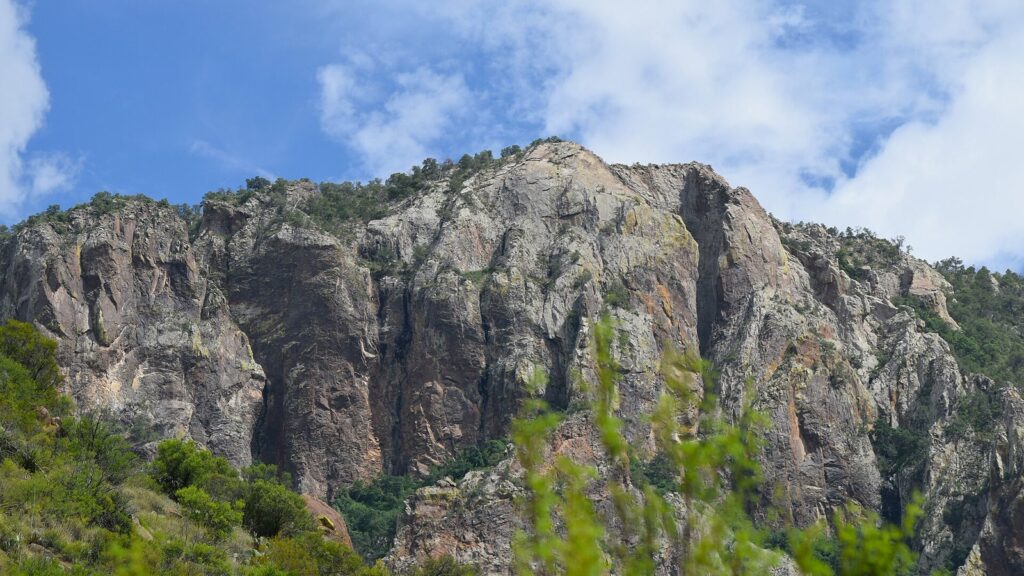
Texas is too big for one camping list. The state holds desert mountains, a 120-mile canyon, spring-fed Hill Country rivers, 70 miles of empty Gulf beach and a cypress swamp that looks like Louisiana. The best places to go camping in Texas are the ones that match the season you are actually travelling in, and this guide is organised that way: by region, with the honest season and the honest catch for each park.
Every fact below was checked against the Texas Parks and Wildlife Department or the National Park Service.
The Short Answer: The Best Places to Go Camping in Texas by Region
Pick your region first and your park second. Hill Country is the classic first trip: rivers, shade and short drives from Austin and San Antonio.
| Park | Region | Best season | Booking |
|---|---|---|---|
| Big Bend National Park | Far West Texas | Nov–Mar | Recreation.gov |
| Davis Mountains State Park | Far West Texas | Mar–May, Sep–Nov | TPWD, 5 months ahead |
| Guadalupe Mountains National Park | Far West Texas | Mar–May, Sep–Nov | Recreation.gov |
| Garner State Park | Hill Country | May–Sep | TPWD, 5 months ahead |
| Enchanted Rock State Natural Area | Hill Country | Oct–Apr | TPWD, reserve weekends |
| Palo Duro Canyon State Park | Panhandle | Mar–May, Sep–Nov | TPWD, day pass advised |
| Padre Island National Seashore | Gulf Coast | Oct–Apr | First come, first served |
| Caddo Lake State Park | Piney Woods | Mar–May, Sep–Nov | TPWD, 5 months ahead |
| Dinosaur Valley State Park | North Texas | Mar–May, Sep–Nov | TPWD, day pass advised |
| Inks Lake State Park | Hill Country | Year-round | TPWD, 5 months ahead |
Big Bend: Desert Nights at the Edge of the Map
The park covers more than 800,000 acres where the Chihuahuan Desert meets the Chisos Mountains and the Rio Grande, and it holds a gold-tier International Dark Sky Park certification. Its three campgrounds are Chisos Basin, with 56 sites in the mountains at 5,400 feet; Rio Grande Village, with 93 sites by the river; and Cottonwood, a quieter 22-site campground that closes for the summer heat. All three charge $16 a night and need a reservation through Recreation.gov.
The catch is distance and heat. Big Bend is a full day’s drive from Dallas or Houston. Come between November and March, and book as early as the window allows — winter is also when Big Bend earns its place among the best national parks to visit in winter. Note the hard rules: no wood or ground fires anywhere, and a 14-night stay limit.
The Davis Mountains and Guadalupe Peak: Camping a Mile High
If Big Bend is too far or too hot, the Davis Mountains are the gentler version of the same West Texas trip. Davis Mountains State Park sits at more than 5,000 feet near Fort Davis. The park covers 2,709 acres of pine, juniper and oak along Keesey Creek, with 93 drive-up sites and a handful of hike-in sites, and the historic Indian Lodge sits inside the park boundary. Day use is $6 per adult.
What makes this park special after dark is the sky. The McDonald Observatory sits about 15 miles north, and its public star parties run on Tuesday, Friday and Saturday evenings. The Guadalupe Mountains, about two hours further west, offer the other high-country trip: Guadalupe Peak, at 8,751 feet the highest point in Texas, reached by an 8.4-mile round-trip trail that climbs about 3,000 feet. Pine Springs has 20 tent sites and 13 RV sites, and Dog Canyon has 15 more; both cost $20 a night through Recreation.gov.
Garner and the Hill Country Rivers
Garner State Park is the most popular state park in Texas for overnight camping. The park covers 1,774 acres along 2.9 miles of the spring-fed Frio River near Concan, and the river stays cold and swimmable through August. There are more than 300 campsites, plus screened shelters and 17 historic stone cabins, and 16 miles of trails. Day use is $8 per adult, children 12 and under enter free.
The catch is popularity. Summer weekends sell out the moment the five-month reservation window opens, and the Frio can flash-flood after upstream rain — Texas Parks and Wildlife closes river access without warning when it does. If Garner is full, Inks Lake State Park near Burnet is the quieter Hill Country alternative: 1,199 acres on a constant-level lake, 169 campsites, and day use of $7 per adult.
Enchanted Rock: Tent-Only Camping Under a Granite Dome
Enchanted Rock is the most unusual campsite on this list. The pink granite dome north of Fredericksburg rises 425 feet above the surrounding Hill Country, and the state natural area around it allows tent camping only — no RVs, no pop-ups, no vehicle camping, every site walk-in or hike-in. That rule keeps the place quiet: you carry your gear from the car, pitch a tent under the oaks, and wake to a dome that glows pink at sunrise. Day use is $8 per person aged 13 and older, and reservations are required on weekends, school breaks and holidays.
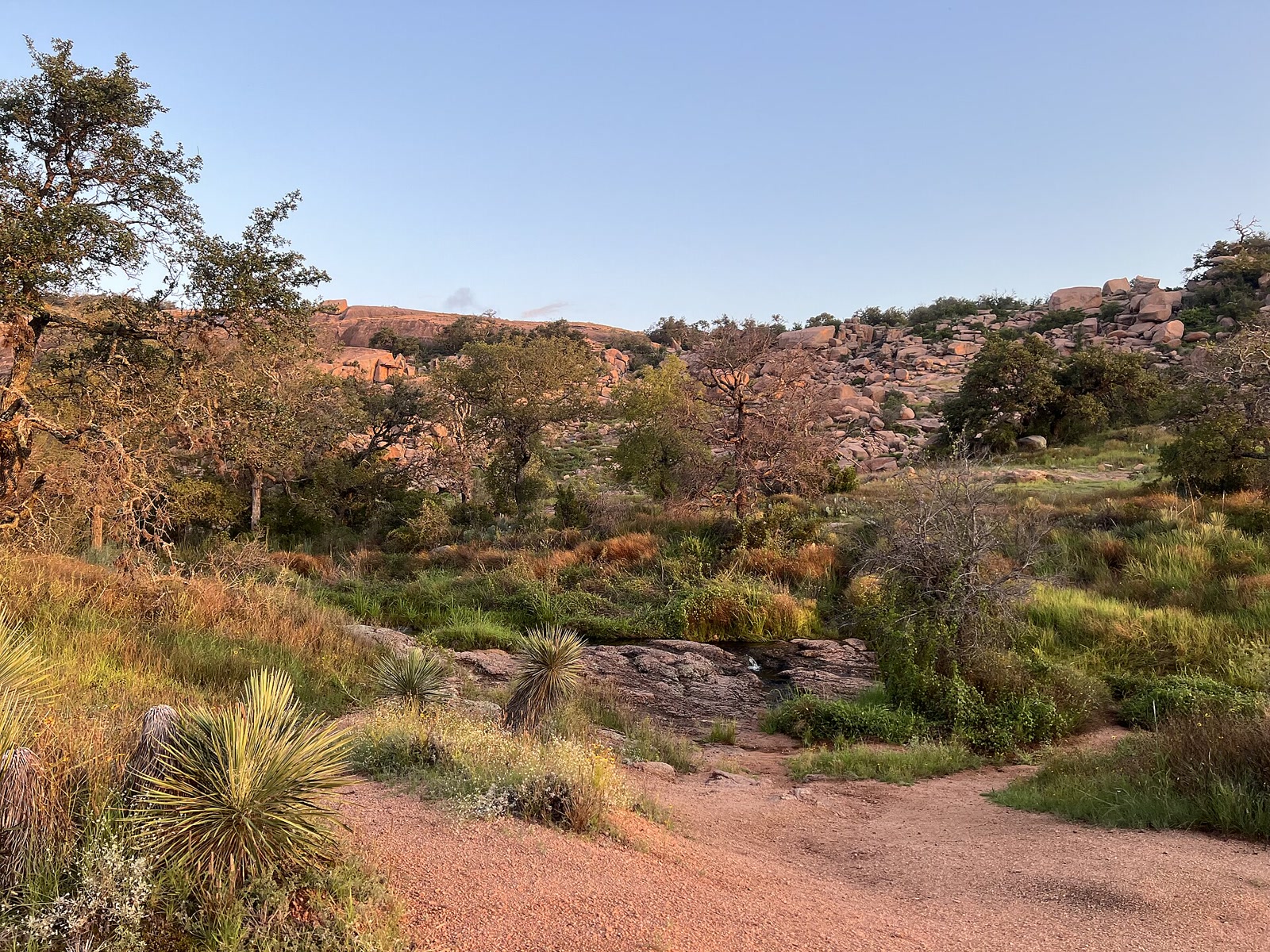
Come between October and April, when the hiking is comfortable. It pairs naturally with a town day — our guide to the things to do in Fredericksburg TX covers the wineries, the German Main Street and the wildflower season.
Palo Duro Canyon: The Grand Canyon of Texas
Palo Duro Canyon is the reveal nobody expects from the Texas Panhandle: dead-flat plains, then suddenly a canyon 120 miles long and up to 800 feet deep. Texas Parks and Wildlife calls it the second-largest canyon in the United States, and the state park has more than 30 miles of trails, a scenic drive to the canyon floor, and the 300-foot Lighthouse rock formation at the end of its best-known hike. Day use is $8 per adult, children 12 and under enter free.
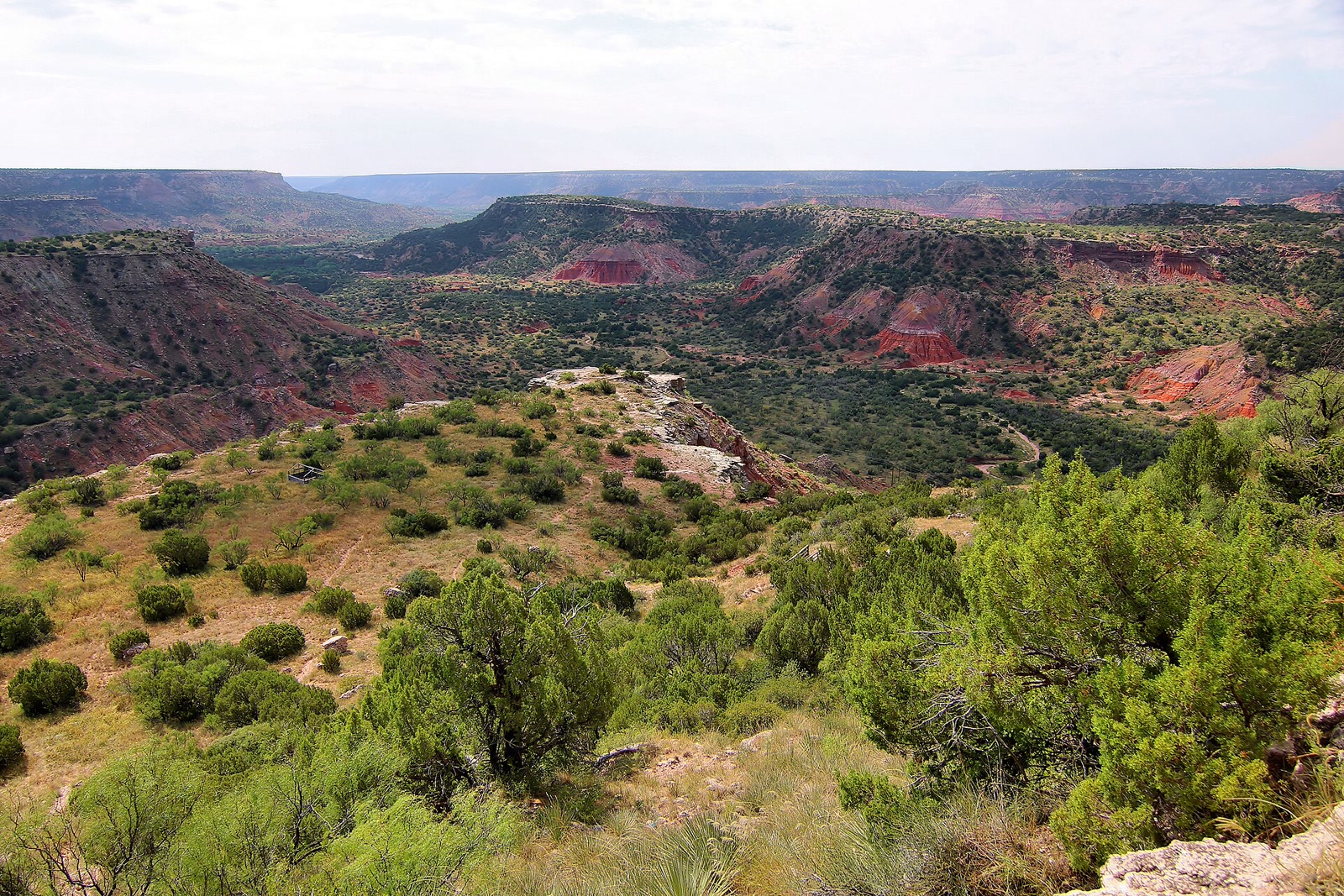
Camping here means staying on the canyon floor: the walls catch the last light of the day and the first light of the morning. The park has water-and-electric sites, tent-only sites and primitive hike-in sites. Come in spring or fall: summer on the canyon floor is brutally hot, and heavy rain can close trails and the park road.
Padre Island: Beach Camping on an Empty Gulf Shore
Padre Island National Seashore protects about 70 miles of undeveloped barrier island south of Corpus Christi, and it is the only place on this list where you can camp on the sand itself. There are two developed campgrounds, both first come, first served, with no reservations at all. Malaquite Campground, near the visitor centre, has 48 sites at $14 a night. Bird Island Basin has 34 sites at $8 a night.
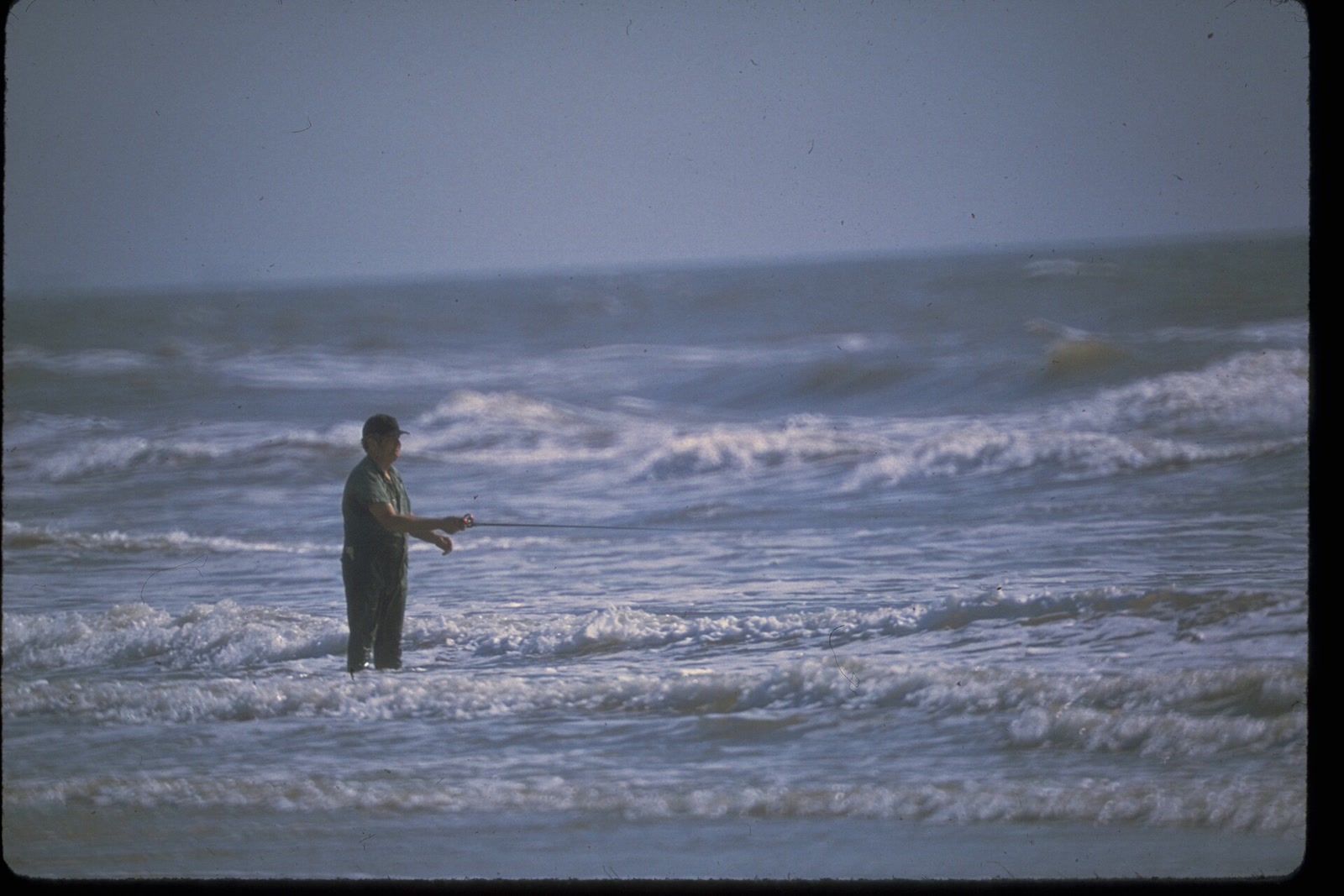
Beyond the two campgrounds, primitive beach camping is free with a self-issued permit: North Beach for ordinary vehicles, and South Beach for 60 miles of sand that needs a high-clearance four-wheel drive, because there are no services and cell phones do not work down the island. Entrance to the park is $25 per vehicle. Come between October and April, when the heat and the mosquitoes ease off, and bring water, shade and a plan for wind.
Caddo Lake: Cypress Swamp Camping in the Piney Woods
Caddo Lake does not look like Texas at all. The lake is the state’s only natural lake, a maze of bayous and sloughs covering more than 26,000 acres across the Texas-Louisiana border, and the state park on its shore protects about 484 acres of bald cypress forest draped in Spanish moss. It is a Ramsar Wetland of International Importance, home to more than 200 bird species. The park has 46 campsites, nine historic cabins from the 1930s, and direct access to more than 50 miles of marked paddling trails.
The experience here is the water, not the land. Rent a canoe at headquarters and paddle the Hell’s Half Acre or Big Cypress Bayou trails in the early morning. Hiking is limited to about 2.5 miles of trails. Come in spring or fall, when the weather is mild and the mosquitoes are bearable, and keep pets leashed and children close to the bank — the alligators are real.
Dinosaur Valley: Camping Beside 113-Million-Year-Old Tracks
Dinosaur Valley State Park, near Glen Rose, is the best family campsite in Texas that is not on a river. The Paluxy River runs through the park, and in its limestone bed are real dinosaur footprints about 113 million years old. Whether you can see them depends on the river: low, clear water shows the most, so check the park’s track updates before you go.
Day use is $8 per adult, children 12 and under enter free, and the gate is open from 6 a.m. to 10 p.m. The park has 46 water-and-electric campsites at $26 a night, plus eight walk-in primitive sites at $18. Come in spring or fall, when the river is low enough to show the tracks — the park regularly fills on spring weekends, so reserve a day pass ahead of time.
How to Book a Texas Campsite Before It Sells Out
The window is what matters. Texas state park campsites open five months ahead to the day, and the popular ones sell out within minutes of the window opening. Day-use passes open 30 days ahead and guarantee entry when a park reaches capacity. Book online through the Texas State Parks reservation system, or call (512) 389-8900. Big Bend and Guadalupe Mountains book through Recreation.gov, up to six months ahead. Padre Island is the exception: both campgrounds are first come, first served.
The money is simpler than it looks. State park day-use fees run from $3 to $8 per adult, children 12 and under enter free, and camping fees are charged on top. The Texas State Parks Pass costs $70 a year and covers day-use entry for everyone in the same vehicle at more than 80 state parks.
What to Pack and What to Check Before You Drive
Pack for the park you are actually visiting. In the west, carry more water than you think you need — distances between fuel, food and water are long, and cell service disappears for hours at a time. In the Hill Country, check the river forecast as well as the weather forecast, because the spring-fed rivers can flash-flood after rain far upstream. On the coast, bring shade, wind protection and fresh water.
Before you leave, read the park’s alerts page on tpwd.texas.gov or nps.gov — that is where closures and track conditions are posted. Confirm your reservation the day before and download offline maps for the drive. The best campsite is often a five-hour drive from the second-best, and the difference between a great trip and a frustrating one is usually a single reservation made five months early.