
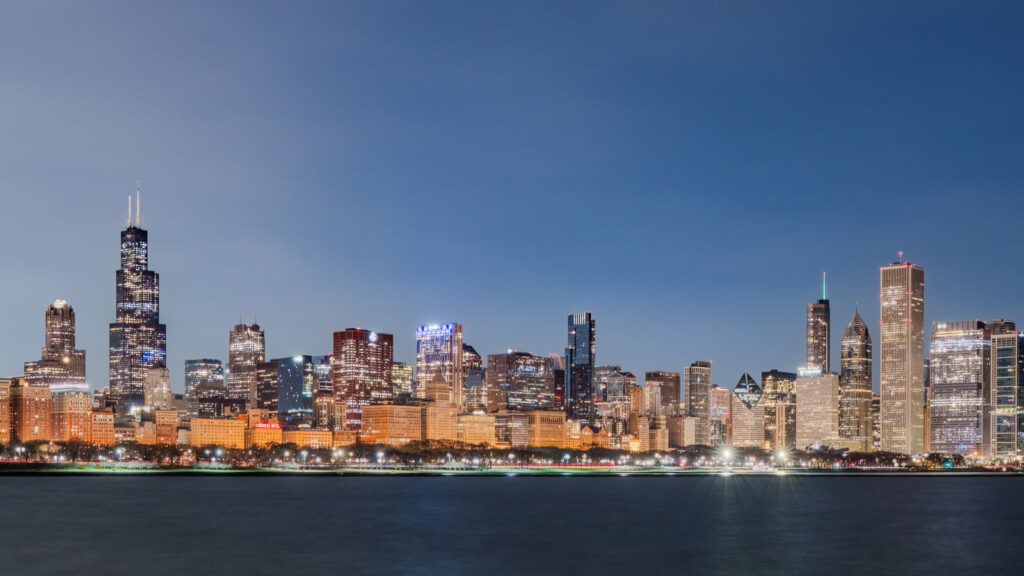
Chicago is the easiest big American city to do without a car. The skyline is the draw, but the city underneath it is what stays with you: a free lakefront park with a mirrored bean, a river canyon of skyscrapers, three museums on one strip of lakefront, and neighbourhoods that each feel different. This chicago itinerary is built for a first-timer with three full days and no car. One area per day, one paid anchor per day, and the architecture cruise booked before anything else, because it is the one thing that sells out. Every price below was checked on the official site on November 14, 2026.
The no-car rule: the L and walking cover 90% of this trip
Chicago’s “L” trains and buses cover everything in this plan. A single “L” ride costs $2.50, a bus ride $2.25, and the 3-day unlimited pass costs $15, which pays for itself by the third ride of day one. Load it on a Ventra card or in the Ventra app.
From O’Hare, the Blue Line runs straight to the Loop in about 40 to 45 minutes, 24 hours a day. Boarding at O’Hare costs $5, unless you are travelling on an unlimited pass — so buy the 3-day pass at the airport station and your ride downtown is already covered. Once downtown, walk: the Loop, Millennium Park, the Riverwalk and the Magnificent Mile are all within a mile of each other. The only rides this plan needs are to Museum Campus, north to Lincoln Park, and the airport.
Day 1: the Loop, Millennium Park and the river
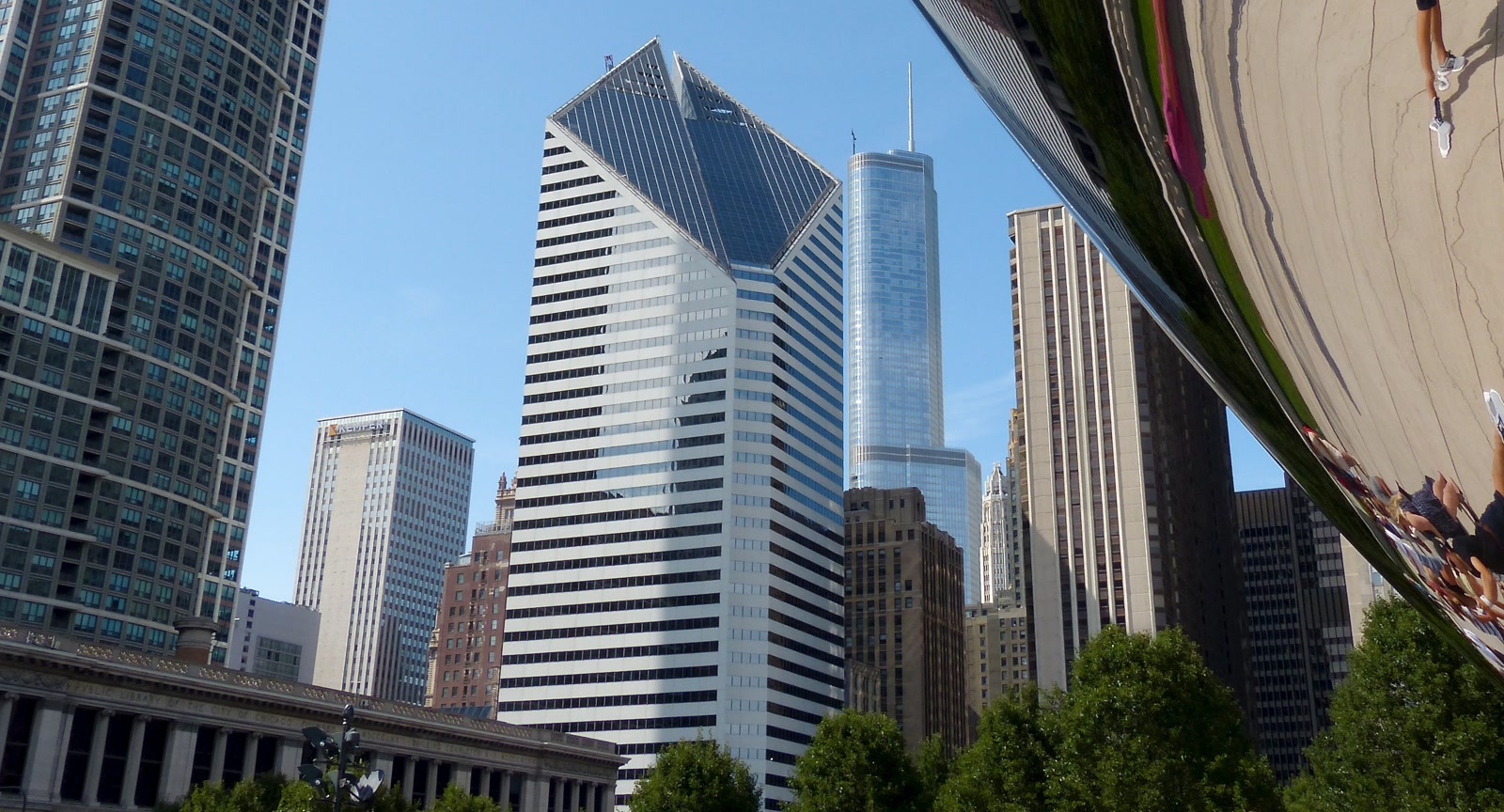
Start early at Millennium Park, which opens at 6 a.m. and is free. Cloud Gate — the Bean — is a different experience before the crowds arrive: go before 8 a.m. and you can walk right up to the mirrored surface without a hundred strangers in the photograph. From the Bean, walk the park: the Crown Fountain’s two glass-brick towers, the Jay Pritzker Pavilion’s steel ribbons, and the Lurie Garden. The park sits at 201 East Randolph Street.
Cross Michigan Avenue to the Art Institute of Chicago and give it a full morning. Admission is $32 for adults, $26 for seniors, students and teenagers aged 14 to 17, and free for children under 14. Illinois residents pay $27 and Chicago residents $20. Hours are 11 a.m. to 5 p.m. most days, Thursday until 8 p.m. It is closed on Tuesdays, which is why this plan puts it on day one.
After the museum, walk down to the Chicago Riverwalk, the 1.25-mile walkway along the south bank of the river from Lake Michigan to Lake Street: bars and cafes at water level, bridges lifting for boats, towers rising on both sides. Walk it west to east in the late afternoon. For dinner, order deep-dish pizza in the Loop or River North — a knife-and-fork affair that takes 30 to 45 minutes to bake, and one pie feeds two.
Finish day one at Skydeck Chicago, on the 103rd floor of Willis Tower. General admission starts at $32 for adults and $24 for children aged 3 to 11, and includes The Ledge — the glass boxes that stick out of the building 1,353 feet above the street. The deck is open 9 a.m. to 10 p.m. from March to September, and 9 a.m. to 8 p.m. from October to February; last entry is 30 minutes before closing. Go at sunset, and book ahead on weekends.
Day 2: Museum Campus, Navy Pier and 360 Chicago
Day two belongs to the lakefront. Start at the Shedd Aquarium on Museum Campus, south of the Loop. General admission starts at $38.95 for adults and $28.95 for children, and children under 3 are free; Chicago residents pay a flat $19.95. Book a timed morning slot in advance, and expect two to three hours inside.
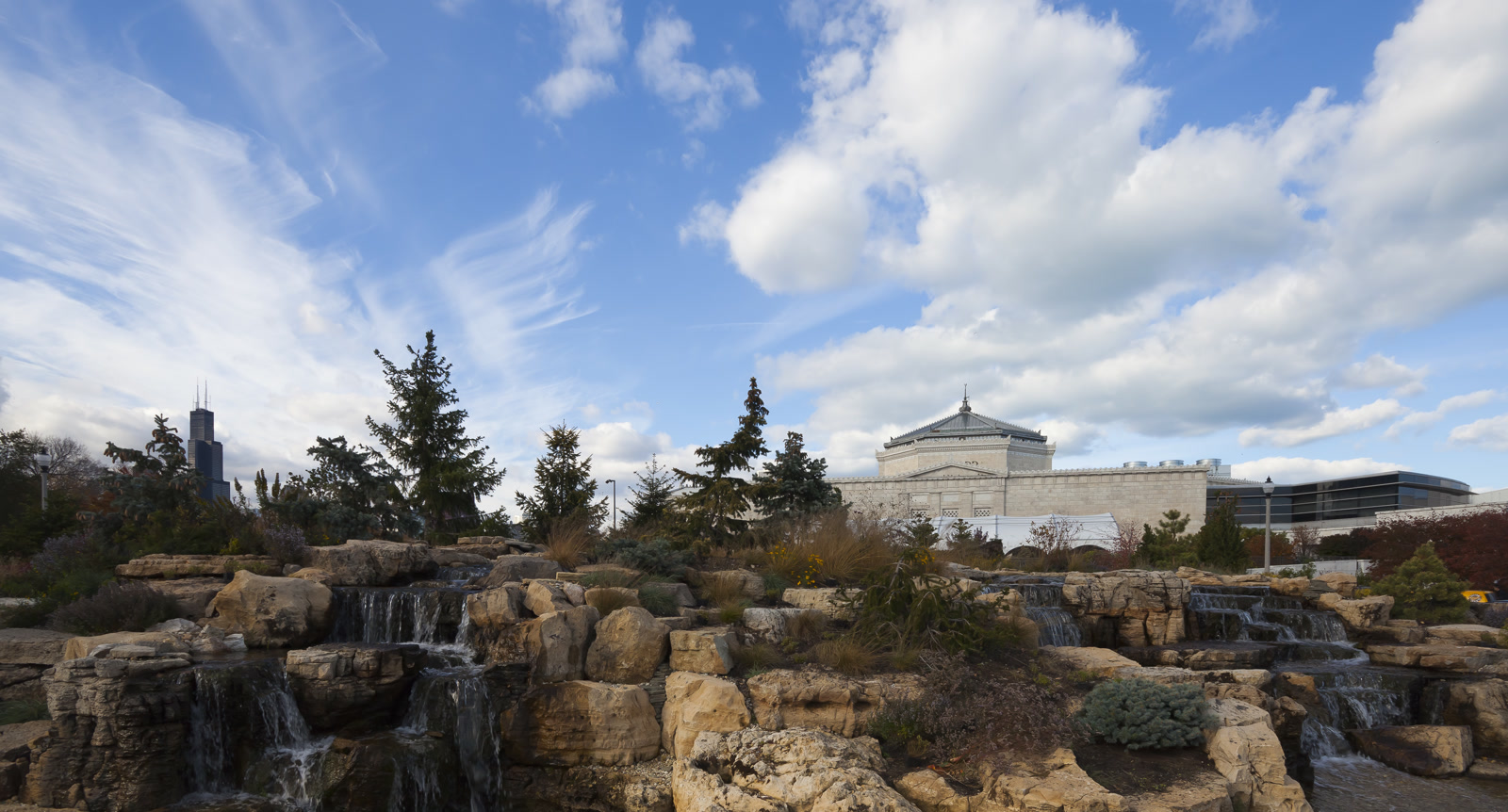
If aquariums are not your thing, swap in the Field Museum next door: from $30 for adults and $23 for children, under 3 free, open daily 9 a.m. to 5 p.m. Either way, walk the lakefront path when you come out — the skyline view back toward downtown costs nothing.
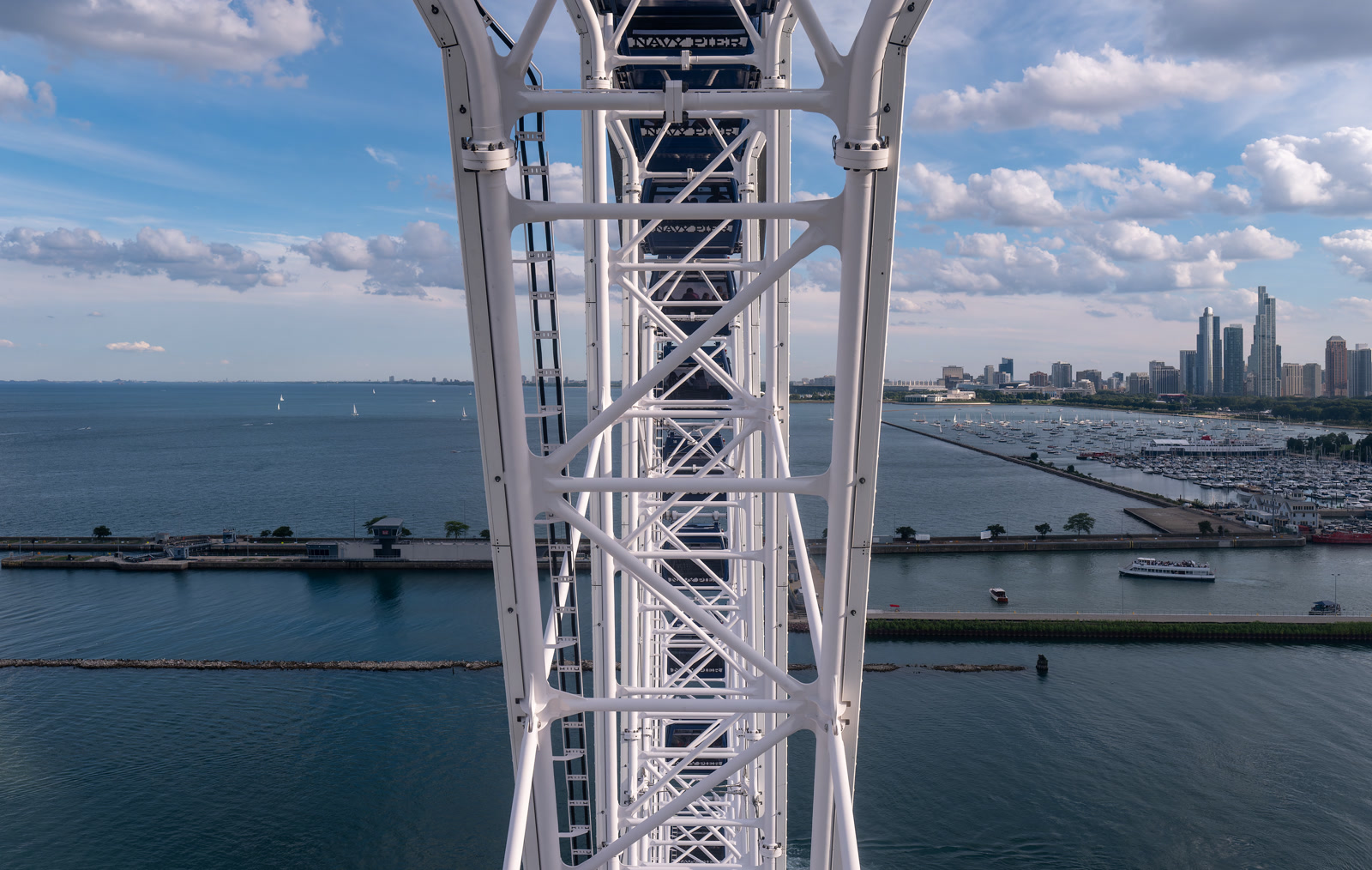
Spend the afternoon at Navy Pier, where walking on is free and you pay only for the attractions. The Centennial Wheel is the one worth the ticket: about $21 for adults and $18 for children aged 3 to 11, under 2 free, for three slow rotations in an enclosed gondola 200 feet above the lake. The pier is 3,300 feet long, and the walk to the end is the free part most visitors rush past. In summer, fireworks go off on Wednesday and Saturday nights. Hours are seasonal — check navypier.org.
End day two at 360 CHICAGO, on the 94th floor of 875 North Michigan Avenue — the former John Hancock Center, on the Magnificent Mile. Admission starts at $27 for adults and $19 for children aged 3 to 11, under 3 free, and the deck is open daily from 9 a.m. to 11 p.m., last entry 10 p.m. It is the only deck open late, which makes it the right choice for a night visit. The TILT ride costs $14 to $18 extra.
Day 3: Lincoln Park, Old Town and the neighbourhoods
Start day three at Lincoln Park Zoo, one of the last major free zoos in the United States. Admission is free, no reservation is needed, and it is open 365 days a year from 10 a.m. to 5 p.m. It sits at 2001 North Clark Street, about 15 minutes north of downtown on the 151 bus, and two to three hours is enough. From late November to early January the zoo runs ZooLights in the evenings — the best reason to visit Chicago in December.
From the zoo, walk south through Lincoln Park itself to Old Town, a neighbourhood of brick rowhouses and cafes that feels nothing like the Loop. An hour wandering its side streets is worth more than another museum. The Second City, the comedy theatre that launched a generation of Saturday Night Live stars, is in Old Town.
Spend the afternoon in one more neighbourhood, chosen by mood. Wicker Park, west on the Blue Line, is the city’s best walk for independent shops, coffee and street art. Pilsen, southwest on the Pink Line, is the heart of Mexican Chicago, with murals on almost every wall and some of the best cheap food in the city. For a last dinner, keep it simple: a Chicago-style hot dog — dragged through the garden, never with ketchup — from a counter like Portillo’s.
The architecture cruise: which one and when to book
The architecture river cruise is the single best paid experience in Chicago — book it before anything else. The Chicago Architecture Center’s official cruise runs 90 minutes, covers all three branches of the river, passes more than 50 buildings, and is narrated by a trained docent — not a recorded tape. Tickets start at $57 for adults. Boats leave from Michigan Avenue and East Wacker Drive, and the season runs from March 15 to November 22 in 2026. Weekend and sunset departures sell out one to two weeks ahead in summer.
Take the cruise on day one if you can, in the late afternoon: the docent explains why the towers look the way they do, and from then on you are reading the buildings, not just looking at them. If the official cruise is sold out, other operators run similar routes from the same docks, but the Architecture Center’s boat is the one with the docents.
Where to stay: the Loop or River North
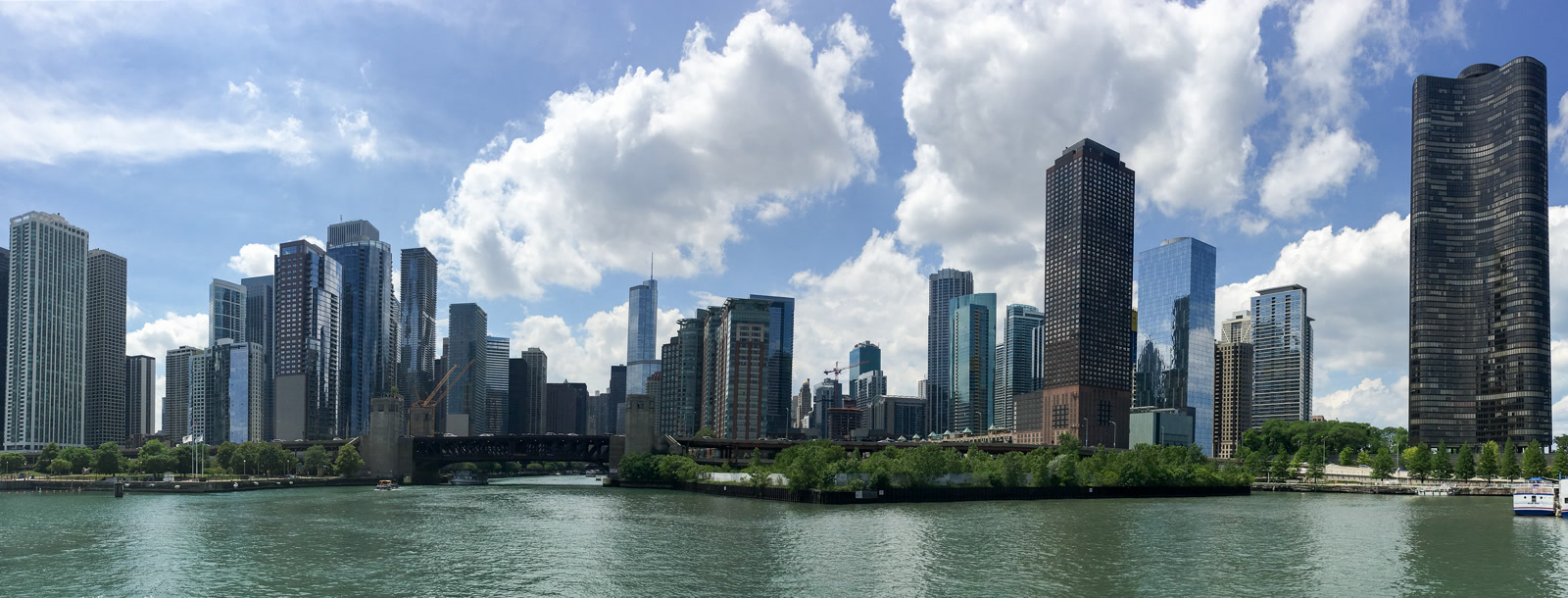
Stay in the Loop or in River North. The Loop is the practical choice: on top of Millennium Park, the Riverwalk and the “L”, quiet at night. River North, just across the river, is livelier — more restaurants, more bars, more noise, and a slightly higher price for the same room.
Chicago hotel prices move sharply with the season. Summer weekends and big convention weeks can double the rate of a January Tuesday, so no guide can quote a reliable figure. Check live rates for your exact dates, and book the room as early as you book the cruise. If you are driving in, do not bring the car downtown: parking runs $50 or more a night in Loop garages.
What to book first
Book in this order, as soon as your dates are fixed. First, the architecture cruise — fewest seats, earliest sell-outs. Second, the Shedd Aquarium, because tickets are timed entry and morning slots go first. Third, Skydeck Chicago for a sunset slot on a Friday or Saturday.
Then do the pass maths. The Chicago CityPASS costs $144 for adults and $114 for children aged 3 to 11, and covers five attractions over nine days: the Shedd Aquarium and Skydeck are guaranteed, and you choose three more from the Field Museum, the Art Institute, 360 CHICAGO, the Adler Planetarium, the Griffin Museum of Science and Industry and the Shoreline Architecture River Tour. Bought separately at starting prices, those five cost about $160, so the pass only pays if you will do all five. The smaller C3 pass costs $109 for three attractions, and three of the same at starting prices come to roughly $100 to $110 — about break-even. If your plan is the one in this guide, skip both passes and buy the tickets separately.
Chicago in winter: the honest warning
Chicago in winter is not a joke, and no honest guide should pretend it is. The wind comes straight off Lake Michigan, the wind chill regularly drops below zero, and the sun sets before 5 p.m. from December to January. If you have a free choice of dates, do not choose winter: the best months are May and June, and September and October.
Winter in Chicago is not a wasted trip — it is a different one. The museums, Skydeck and 360 CHICAGO are all indoors and warm, and emptier than in summer. Millennium Park’s ice rink runs from November to March, ZooLights lights up the zoo from November 20, 2026 to January 3, 2027, and the Christmas markets on Daley Plaza are genuinely good. What winter takes away is the outdoor half of this plan: the architecture cruise stops in late November, Navy Pier goes quiet, and a 20-minute walk becomes an expedition. If you do come in winter, pack as if you are going skiing, and plan your days around indoor stops with short walks between them.
FAQ
Is 3 days enough for Chicago? Yes. Three days covers the Loop, Millennium Park, the river, Museum Campus, Navy Pier and one neighbourhood day. A fourth day is worth adding only for the Obama Presidential Center, which opened in June 2026 in Jackson Park and needs half a day of its own.
Do I need a car in Chicago? No. This entire itinerary runs on the “L”, buses and walking. A car would slow you down: downtown traffic is slow, parking costs $50 or more a night, and the train from O’Hare beats a taxi in rush hour.
Is Navy Pier worth it? Yes. The pier itself is free, the walk to the end is one of the best free views in the city, and the Centennial Wheel is worth one ride. But it is not a full day: give it an afternoon.
What is the best time to visit Chicago? May and June, and September and October. The weather is warm, the lakefront is at its best, and the architecture cruise is running. July and August are the busiest and most humid. December is worth it for ZooLights and the Christmas markets.
How much does 3 days in Chicago cost? For one person following this plan, the paid attractions and transit come to about $223: the CTA 3-day pass ($15), Skydeck ($32), the architecture cruise ($57), the Shedd Aquarium ($38.95), the Art Institute ($32), 360 CHICAGO ($27) and the Centennial Wheel (about $21). Food is the flexible part — allow $60 to $90 a day, or $180 to $270 for three days. That puts the trip, before hotels, at roughly $400 to $490.
| What | Cost per person |
|---|---|
| CTA 3-day pass | $15 |
| Skydeck Chicago | from $32 |
| Chicago Architecture Center river cruise | from $57 |
| Shedd Aquarium | from $38.95 |
| Art Institute of Chicago | $32 |
| 360 CHICAGO | from $27 |
| Centennial Wheel, Navy Pier | about $21 |
| Food, 3 days (estimate) | $180–$270 |
| Total before hotel | about $400–$490 |
The Short Version
Three days, no car, one area a day. Day one: Millennium Park and the Bean before 8 a.m., the Art Institute, the Riverwalk, and Skydeck at sunset. Day two: the Shedd Aquarium, Navy Pier and the Centennial Wheel, and 360 CHICAGO after dark. Day three: Lincoln Park Zoo, Old Town, and one neighbourhood — Wicker Park or Pilsen. Book the architecture cruise first. Buy the $15 CTA 3-day pass at the airport and walk everywhere else. Come in May, June, September or October.