
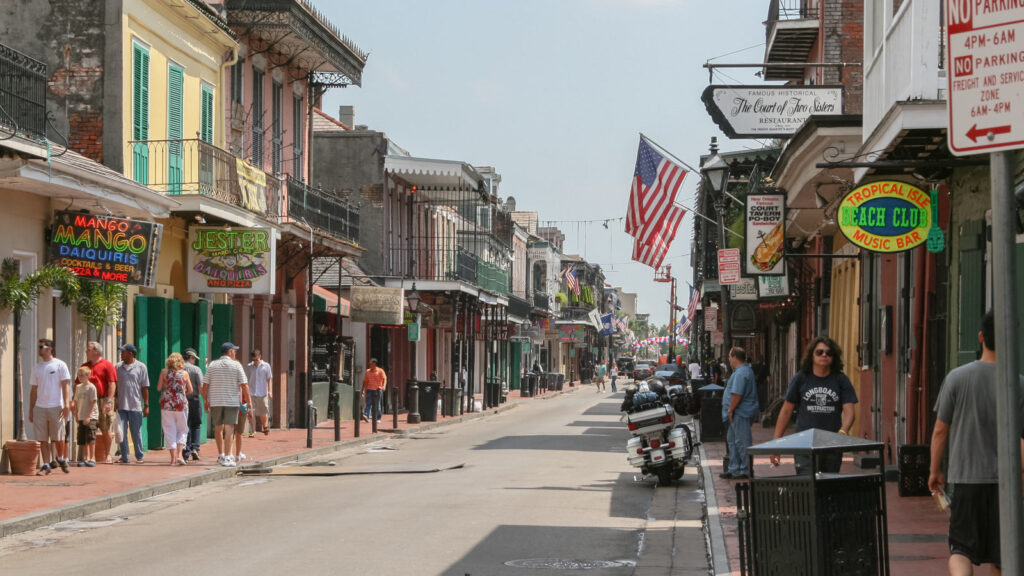
The best food tour in New Orleans for first-timers is the French Quarter food history walk: about three hours, a small group, and a route that pairs the city’s defining dishes with the stories behind them. If you only book one food tour in New Orleans, book that one.
But “best” depends on what you want from the afternoon. New Orleans rewards eating with a guide because the food here carries three hundred years of French, Spanish, African and Caribbean history in every plate. A gumbo is not just a stew, a muffuletta is not just a sandwich, and a beignet is not just a doughnut. The right tour is the one that matches your appetite, your pace and your tolerance for cocktails at two in the afternoon. This guide compares the best food tours in New Orleans by traveller type, so you can pick in five minutes instead of scrolling through sixteen-item directories.
Short Version: The Best Food Tour for Each Kind of Traveller
- First-timer: the French Quarter food history walk — the classic introduction, about three hours, several sit-down stops plus sidewalk tastings.
- Cocktail lover: the Combo Cocktail and Food History Tour — four full-sized drinks with six to eight food samples over about four hours.
- Famous dishes only: the Beloved Bites and Famous Dishes tour — two and a half hours, four stops, five samples, starting at Jackson Square.
- Beyond the Quarter: the Magazine Street Foodie Tour — three hours in the Garden District, five eateries, more than seven dishes.
- Seafood fan: the Original Seafood Tour — three hours from the French Market, oysters, shrimp and grits, gumbo, crawfish étouffée and a seafood boil.
- Sweet tooth: the Sweet Treats tour — two hours down Magazine Street, beignets and doughnuts at four stops.
- Cook it yourself: a class at the New Orleans School of Cooking — demonstration or hands-on, gumbo, jambalaya and pralines included.
If you are short on time, take the first-timer walk on your first full day. It teaches you what everything is, so the rest of the trip’s eating is better: you will know a Creole dish from a Cajun one, you will know what “dressed” means on a po’boy, and you will stop ordering at random.
Start Here: The French Quarter Food History Walk
Every New Orleans food walking tour worth its salt starts in the French Quarter, and the classic food history walk is the one to take first. It runs about three hours on foot at a leisurely pace, moving between restaurants, sandwich shops, hot sauce bars and candy stores, with a guide who explains how French, Spanish, African and Caribbean cooking layered into one cuisine. Expect a mix of sit-down tastings and samples eaten standing on the sidewalk, and portions that add up to a full meal — come hungry and skip lunch.
The dishes change a little with the season, but the spine is consistent: gumbo, Creole brisket, a muffuletta, a po’boy and pralines, with hot sauce tastings in between. Groups are small — most operators cap join-in walks at around a dozen people — which matters more than it sounds, because a small group can actually hear the guide in a crowded restaurant and get seated without a wait. Several companies run walks under very similar names, so read your ticket carefully: meeting points vary by operator, and the walk may start at a restaurant on Toulouse Street, Chartres Street or Iberville Street rather than at a single fixed corner.
The one real catch is dietary fit. These walks run a set menu prepared ahead of time, so most operators cannot accommodate vegans or gluten-free diets, and some note the tour is not suitable for people with diabetes. A few offer a vegetarian option if you ask at booking — check before you pay, not on the day. The walk runs rain or shine, so bring a light rain jacket in the wetter months and comfortable shoes either way.
Food and Cocktails in One Tour
If the food alone is not quite the point — if you want the drinks to be part of the story — the Combo Cocktail and Food History Tour is the strongest pick in the city. It is a four-hour walk through the French Quarter that pairs six to eight food samples with four full-sized cocktails, and it is the only mainstream food tour in New Orleans built around the cocktail as seriously as the cooking. It starts at two in the afternoon at Red Fish Grill, 115 Bourbon Street, with seafood gumbo and alligator sausage alongside a Hurricane, and it ends inside Cane and Table on Decatur Street.
The route is a greatest-hits walk through the Quarter’s food and drink history: Pepper Palace, a hot sauce emporium; Leah’s Pralines, a third-generation family candy shop, for pralines and bacon pecan brittle; Napoleon House for a muffuletta, a Pimm’s Cup and Creole jambalaya; Dickie Brennan’s Tableau for a French 75; and Cane and Table for fried sweet plantains and a classic daiquiri. The group is capped at sixteen, which is larger than the food-only walks but still small enough for the guide to keep everyone together across six venues.
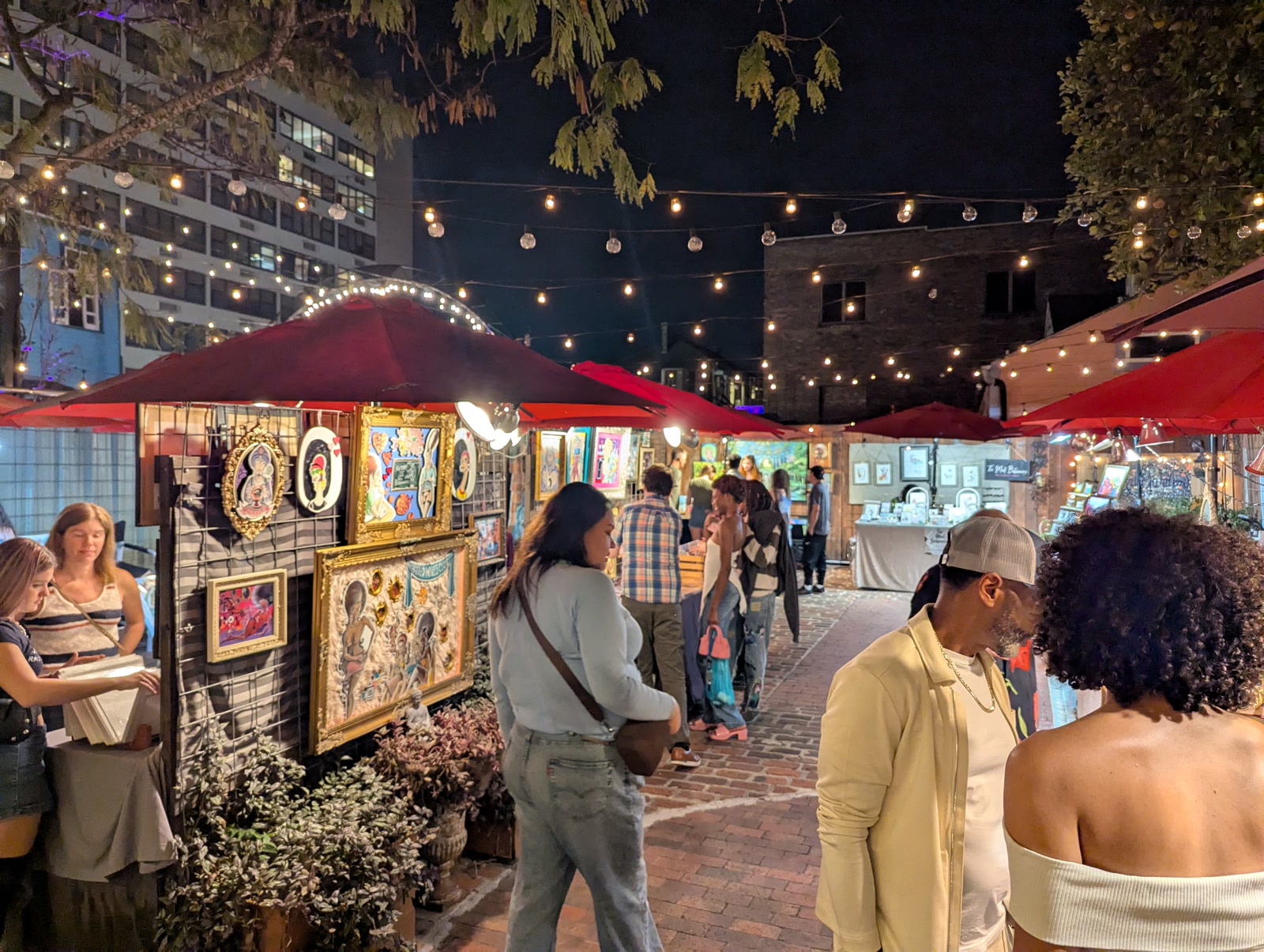
Two things to know before booking. First, this is an adult-only experience: the cocktails are full-sized drinks, the tour is restricted to guests over 21, and four drinks across four hours on a hot afternoon is more than it sounds like — eat a proper breakfast and drink water between stops. Second, the set menu is fixed — no gluten-free, dairy-free or vegan option, though a vegetarian option is available on some departures — and the tour is not recommended if walking is difficult, since the route covers several blocks between stops. When the tour ends on Decatur Street, walk a few blocks to Frenchmen Street, where the art market and the music clubs carry the night.
The Beloved Bites Tour: Famous Dishes Only
Some travellers do not want a four-hour commitment or a cocktail with every course. For them, the Beloved Bites and Famous Dishes tour is the right shape: two and a half hours, four food stops, five samples, and a route that covers the French Quarter and the French Market in one compact loop. It starts at Jackson Square, beside the Andrew Jackson statue, and it is the most efficient way to taste the famous dishes without giving up half a day.
The tour opens with a beignet, then moves through the French Market — described as America’s oldest public market — with stops for gumbo, a po’boy or a muffuletta, a hot sauce tasting and a sweet treat to finish. The exact menu changes with the season and the day’s route, which is honest rather than a flaw: the guide buys what is good that day. Groups are capped at twelve, and the walk covers roughly a mile and a half, so it fits easily into a morning or an afternoon between other plans. The operator is a certified B Corporation and the tour is run as carbon neutral, which matters to some travellers and costs nothing to the rest.
Beloved Bites is also the best pick for older children or a parent who does not want a long walk: two and a half hours is short enough to stay enjoyable, and the food is the familiar end of the menu. The limitation is the same as on the other set-menu walks — stops and dishes vary, and dietary needs are not always handled well, so check at booking. Drinks are not included, which keeps it simpler and makes it the better choice for a morning slot.
Beyond the Quarter: The Garden District on a Plate
The French Quarter gets the attention, but some of the best eating in New Orleans happens uptown, and the Garden District food tours are the way to find it. The Magazine Street Foodie Tour is the pick here: three hours, five eateries, more than seven dishes, and a group capped at nine. It meets outside Mahony’s Po-Boys at 3454 Magazine Street and works its way through the Garden District’s restaurants and shops, with dishes that lean playful — a gumbo empanada here, muffuletta egg rolls there, alligator hot dogs, a roast beef po’boy, and macarons to finish. The walk itself is only about half a mile, so the pace is relaxed, and the guide is a licensed local who knows the neighbourhood’s restaurant owners by name.
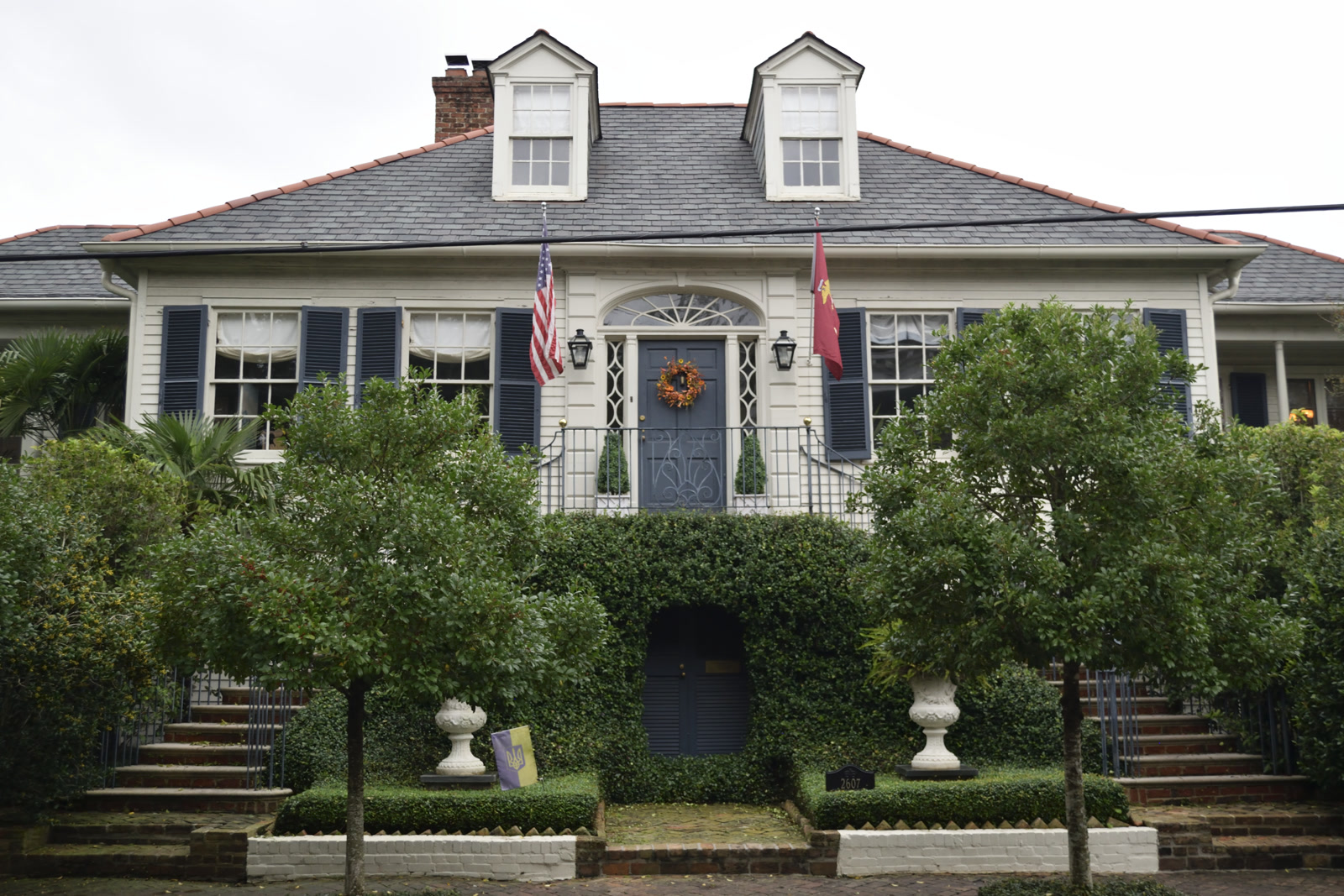
A second option, the Lower Garden District food tour, starts at the foot of Magazine Street and visits five very different places in three hours — four sit-down tastings and one standing — including Turkey and the Wolf and Stein’s Market and Deli. It meets outside Turkey and the Wolf at 739 Jackson Avenue. A third, the Garden District Food and History Tour, starts at Lafayette Cemetery and spreads a full meal of po-boys, red beans and rice, jambalaya, beignets and gumbo across three local eateries.
Two warnings apply to all three. First, none accommodates vegan, gluten-free, kosher or low-sodium diets — the menus are built on seafood and pork. Second, the Magazine Street tour is not suitable for children under six, because the restaurants are crowded and strollers are hard to manage; take the food and history tour with children instead. Go uptown on a different day from your French Quarter walk: the two neighbourhoods eat differently, and comparing them is half the pleasure.
Seafood, Gumbo and the Boil: Tours for Serious Eaters
New Orleans sits at the edge of one of the richest fisheries in the country, and the seafood tours are where that shows. The New Orleans Original Seafood Tour is a three-hour walk that starts at the French Market and works through the Quarter’s seafood traditions: fresh oysters, Cajun-style shrimp and grits, seafood gumbo, crawfish étouffée and a classic seafood boil, with visits to local seafood markets along the way. The group is capped at twelve, it runs daily, and the guide explains how French, African and Creole influences shaped each dish rather than just handing you a plate.
For a shorter, livelier version, the Boozy Lunch Crawl with Seafood Boil runs about two hours from Bon’s New Orleans Street Food at 620 Decatur Street. It covers six or seven tastings — beignets, crawfish grilled cheese, charbroiled oysters, gumbo and a muffuletta among them — and ends with a traditional seafood boil, where the guide teaches you how to peel crawfish, shrimp and crab the way locals do. Because the crawl includes cocktails, it is restricted to guests over 21, and the group can run up to twenty, so it feels less intimate than the smaller walks.
A seafood boil deserves a word of its own. Shrimp, crab and crawfish are boiled together with corn and potatoes in heavily spiced water, tipped out onto a table, and eaten by hand — no cutlery, no ceremony. On a tour, the guide shows you how to peel a crawfish: twist off the head, pinch the tail, pull the meat out in one piece. Learn it on the tour and you will eat with confidence at every boil for the rest of the trip.
Sweet Endings: Beignets, Pralines and Dessert Walks
Every food tour in New Orleans ends with something sweet, but the city also supports tours built entirely around dessert, and they are better than they sound. The Sweet Treats tour runs two hours down Magazine Street with the Underground Donut Tour, starting at PJ’s Coffee at 2140 Magazine Street and moving through DISTRICT Donuts, the Ruby Slipper and The Vintage at 3121 Magazine Street. Four sweet stops, beignets and doughnuts all the way, with the Irish Channel’s shotgun houses and the Garden District as the backdrop. It is the best food tour in the city for children, and the best one to book when the savoury tours are sold out.
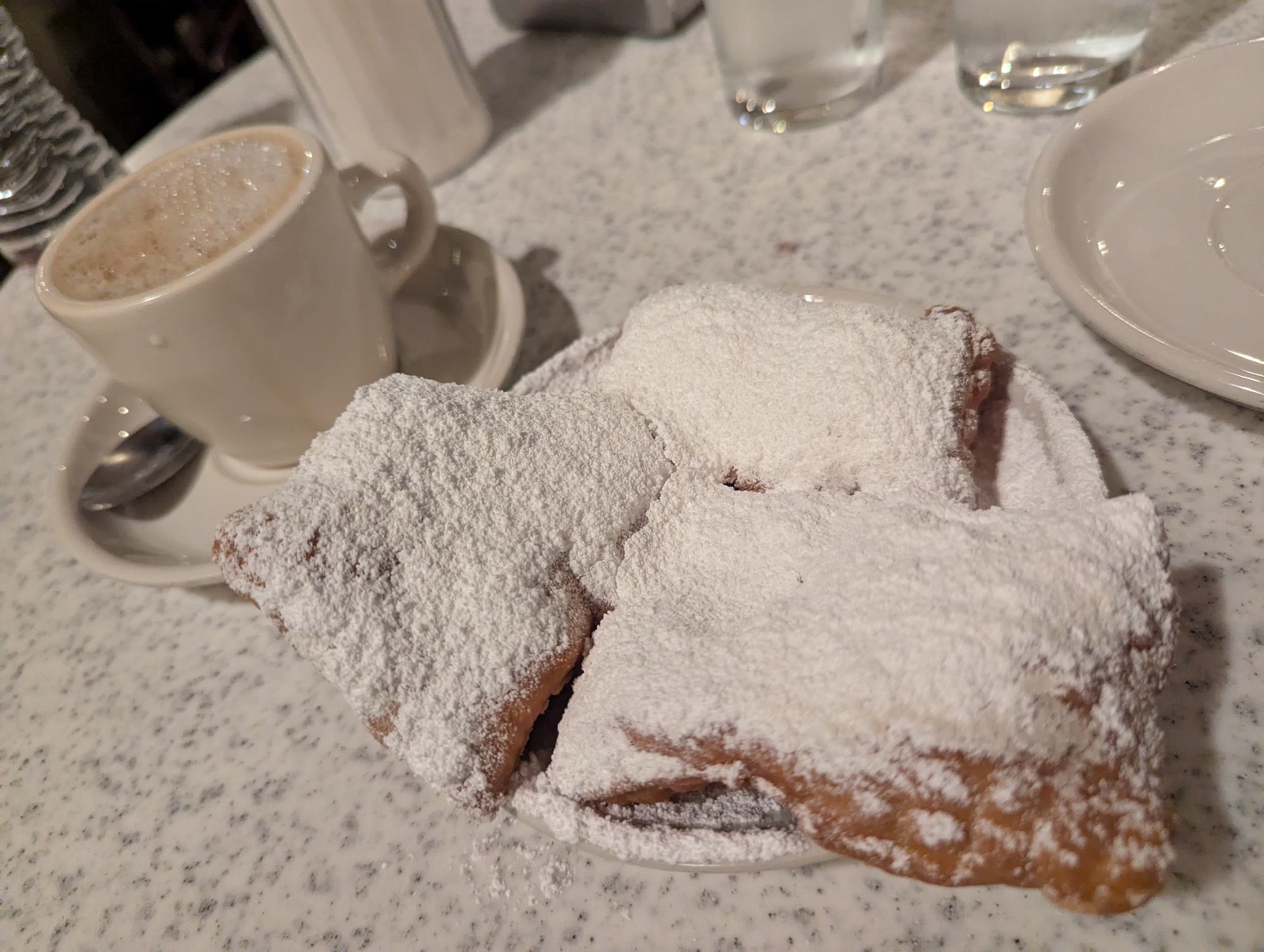
The beignet itself deserves a stop of its own, tour or no tour. Café du Monde has stood at 800 Decatur Street in the French Market since 1862, an open-air coffee stand that has barely changed its menu in more than one hundred and sixty years: beignets, served three to an order and buried under powdered sugar, and café au lait, half dark-roasted coffee blended with chicory and half steamed milk. The stand is open twenty-four hours a day and closes only on Christmas Day. The beignet was named Louisiana’s official state doughnut in 1986, which tells you how seriously the state takes it. Go early, before the line builds — and do not wear black.
Pralines are the other sweet to know. They are pecan and sugar candies, crisp on the outside and creamy inside, and they turn up on almost every food tour in the city, usually at a family candy shop like Leah’s Pralines.
Cook It Yourself: Cajun and Creole Cooking Classes
If you would rather learn to cook the food than just taste it, the New Orleans School of Cooking is the pick. It sits at 524 St. Louis Street in the French Quarter, in a converted nineteenth-century molasses warehouse, and it has taught Cajun and Creole cooking since 1980. There are two formats. The demonstration class runs about two to two and a half hours: you sit, watch a chef cook a three- or four-course Creole and Cajun meal, eat everything, and take the recipes home. The hands-on class runs about three hours with a maximum of ten people: you chop, season and cook a full dinner with the chef, then sit down and eat what you made.
The menus rotate by day, but the dishes are the canon: gumbo, jambalaya, crawfish étouffée, corn and crab bisque, red beans and rice, bread pudding, bananas foster and pralines. The demonstration class includes local beer with the meal; the hands-on class is served with wine. The most useful lesson is the roux, the dark flour-and-oil base that gives gumbo its depth, and the “holy trinity” of onion, green pepper and celery that starts almost every savoury dish in the city. The hands-on class is for adults only, ages eighteen and up, and the menus are built on seafood and beef, so they are not vegetarian-friendly without special arrangements. Book a morning class if you can: you eat lunch as part of it, and the rest of the day is free.
The Dishes You Will Actually Taste (and What They Are)
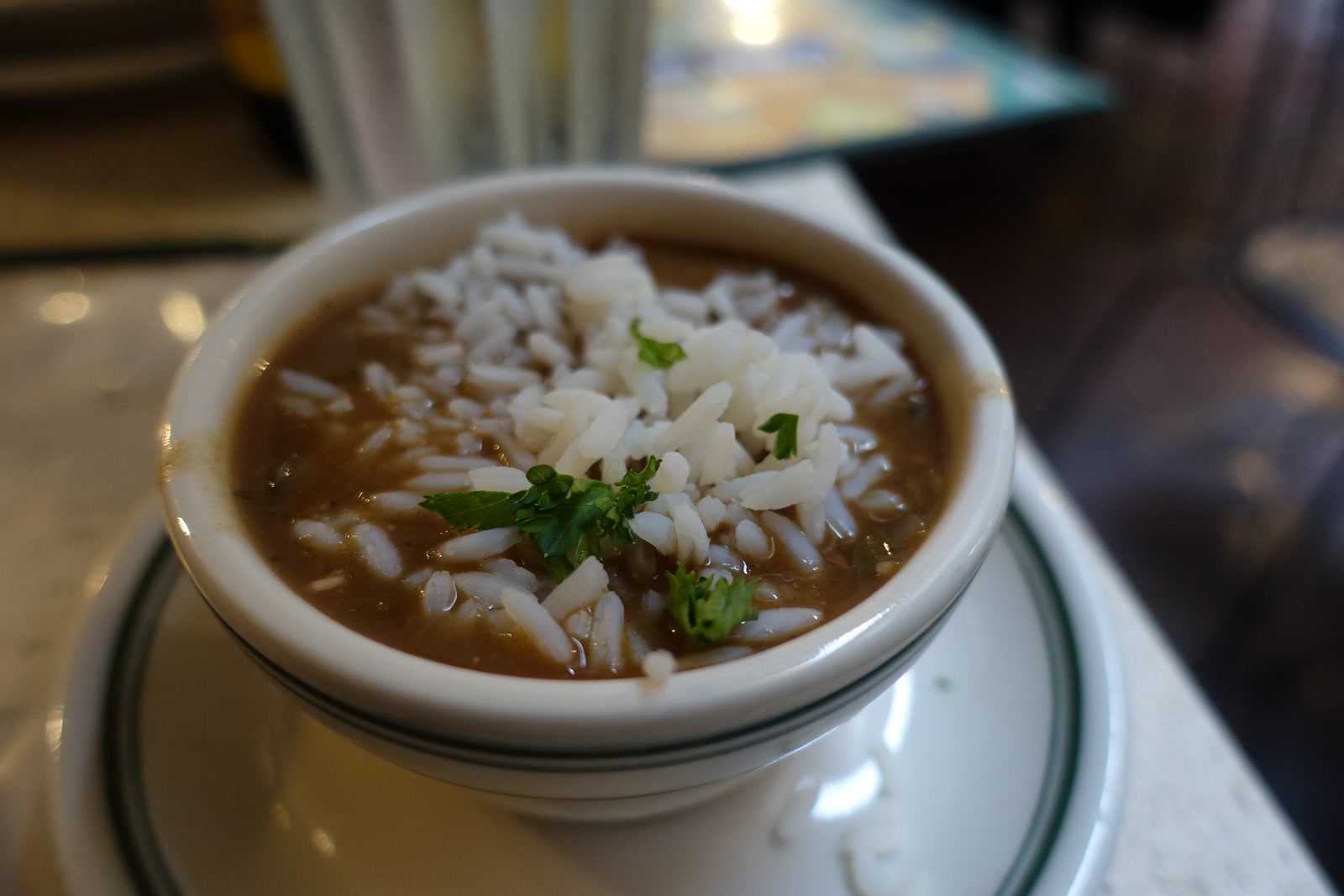
Food tours move fast and guides talk faster, so it helps to know the menu before you go. Gumbo is a dark-roux stew — sausage, chicken, seafood or all three — served over white rice, and it is the dish every tour starts with. Po’boy is a sandwich on crusty French bread, usually fried shrimp or oysters, or roast beef with gravy; ask for it “dressed” and you get lettuce, tomato, pickles and mayonnaise. Muffuletta is a round sesame loaf layered with cured meats and cheese and a chopped olive salad; it was created at Central Grocery in the French Quarter, and the olive salad is the whole point. Boudin is a pork and rice sausage. Pralines are pecan and sugar candies, and beignets are square pieces of fried dough buried in powdered sugar, served three to an order.
Jambalaya is rice cooked with sausage, chicken and seafood; the Creole version has tomato, the Cajun version does not, and locals will happily argue about which is correct. Crawfish étouffée is crawfish smothered in a roux-based sauce and served over rice — rich, dark and spoonable. Creole brisket is slow-cooked beef in a Creole sauce, the kind of dish that shows up on the food history walks as a sit-down course. Bananas foster is bananas flambéed in rum and brown sugar, created at Brennan’s in 1951 and served over vanilla ice cream. Red beans and rice is the traditional Monday dish, and seafood boil is shrimp, crab and crawfish boiled with corn and potatoes and eaten by hand. Learn these eleven names before your first tour and you will follow every stop without needing to ask what is on the plate.
How to Book, What to Wear and When to Go
Book ahead. The best food tours in New Orleans sell out, especially on weekends and in spring, and the small-group walks cap at eight to sixteen people, so a Friday booking for a Saturday tour is often too late. Check the meeting point on your ticket the night before, because several operators run similarly named walks from different corners of the Quarter. Spring and autumn are the most comfortable months for walking; summer afternoons are hot and humid, so take a morning tour, carry water, and expect to sweat.
Wear comfortable walking shoes with good grip — the Quarter’s sidewalks are uneven and the streets are often wet — and bring a light rain jacket, because the walks run rain or shine and only severe weather changes the plan. Eat a light breakfast and skip lunch before an afternoon tour, since the tastings add up to a full meal. Bring cash for tips, and tell the operator about allergies at booking, not on the day — most tours cannot change a set menu at the last minute. If you are planning the wider trip, our New Orleans itinerary lays out the days around these food stops, and what to do in New Orleans covers the sights between meals.
How long do New Orleans food tours last? Most run about three hours; the range is two to four hours. Beloved Bites is the shortest at two and a half hours, the cocktail walk the longest at about four. Are New Orleans food tours worth it? For first-timers, yes — the guide explains dishes and neighbourhoods you would walk past on your own, the tastings add up to a full meal, and the small groups keep it personal. Do food tours accommodate dietary restrictions? Mostly no. Menus are set in advance; vegetarians are sometimes accommodated if you ask at booking, vegans and gluten-free diets rarely — check before you pay. What should I wear on a New Orleans food tour? Comfortable walking shoes, sun protection in summer, a light rain jacket in the wetter months, and nothing you mind getting powdered sugar on.