

Planning a first trip to the United States is not really about choosing things to do in the United States — it is about choosing how much of the country to take on. The United States is roughly the size of Europe, and the classic first-timer mistake is trying to cover it all in one go. Pick one coast, give it a full week, and let the country come to you at a human pace.
The simple answer to “how do I plan my first trip to the United States?” is this: decide between the East Coast and the West Coast, spend seven days on the one you pick, and add a second week only if you have it. Seven days covers Washington, New York and Boston, or San Francisco, Yosemite and Los Angeles. Fourteen days covers both, with one internal flight in the middle.
Short Version: Pick a Coast, Not the Whole Country
| Route | Days | Best for |
|---|---|---|
| East Coast: Washington, New York, Boston | 7 | First-timers, history, museums, city walking |
| West Coast: San Francisco, Yosemite, Los Angeles | 7 | Scenery, national parks, coastal drives |
| Both coasts, one internal flight | 14 | Travellers with two full weeks |
The East Coast route is the easier first trip. Washington, New York and Boston sit within a few hours of each other by train, the cities are walkable, and the history is concentrated — the National Mall, the Statue of Liberty, the Freedom Trail. The West Coast route is the more scenic one: San Francisco’s hills and bay, Yosemite’s granite walls, and the long drive down the coast to Los Angeles. Both routes cover the essential things to do in the United States in seven days. Neither works in four.
If you have fourteen days, do both, in that order: East Coast first, then fly west. The two coasts feel like different countries. Do not add a third region — Florida, New Orleans, Chicago and Yellowstone are all a second trip.
How to Choose Where to Go First
Start with one honest question: do you want cities or landscapes? If your idea of a good day is a museum in the morning, a neighbourhood walk in the afternoon and a restaurant at night, the East Coast is your trip. If your idea of a good day is standing at the edge of a canyon or watching a waterfall from a trail, the West Coast is your trip. Most first-timers lean towards cities, because cities are easier to plan and easier to enjoy without a car.
Your second question is about energy. A seven-day East Coast route means three hotels and two train journeys. A West Coast week means a rental car and mountain roads. If you are travelling with children, or this is your first long-haul trip, the East Coast is the gentler introduction. And count your days honestly: a seven-day trip means five full sightseeing days once you count arrival and departure.
The East Coast in 7 Days: Washington, New York and Boston
Give Washington three days. It is the most underrated stop on the East Coast. The National Mall alone deserves a full day: the monuments, the Lincoln Memorial at the end of the Reflecting Pool, and the Smithsonian museums, which are free to enter. One warning: the National Air and Space Museum and the National Museum of African American History and Culture both require a free timed-entry pass, reserved in advance. The museum’s second site, the Steven F. Udvar-Hazy Center near Dulles Airport in Virginia, is free with no pass required, and it holds the Space Shuttle Discovery.

Spend your second Washington day on the neighbourhoods — Georgetown’s streets, the food halls of Union Market — and the third on whatever you missed. Washington rewards a slow pace. The Washington days are laid out in detail in our Washington DC Itinerary.
Then take the train to New York. The Acela covers Washington to New York in about three hours. Give New York three or four days. The Statue of Liberty, a gift from France in 1886, needs advance planning — access inside the statue requires reservations booked well ahead. Walk the rest of the city — the High Line, Central Park, the neighbourhoods of Brooklyn. Our NYC Weekend Itinerary lays out the walking-heavy version in detail.
Finish with Boston, one or two days at the end of the week. The Freedom Trail ties its history together in a single four-kilometre walk.
The West Coast in 7 Days: San Francisco, the Parks and Los Angeles
The West Coast route starts in San Francisco, and it starts slowly on purpose. Give the city two or three days: the hills, the bay, the cable cars, and a walk across the Golden Gate Bridge on a clear morning. San Francisco is the best place to recover from jet lag. Our San Francisco Itinerary covers the city in four days if you want the full version.
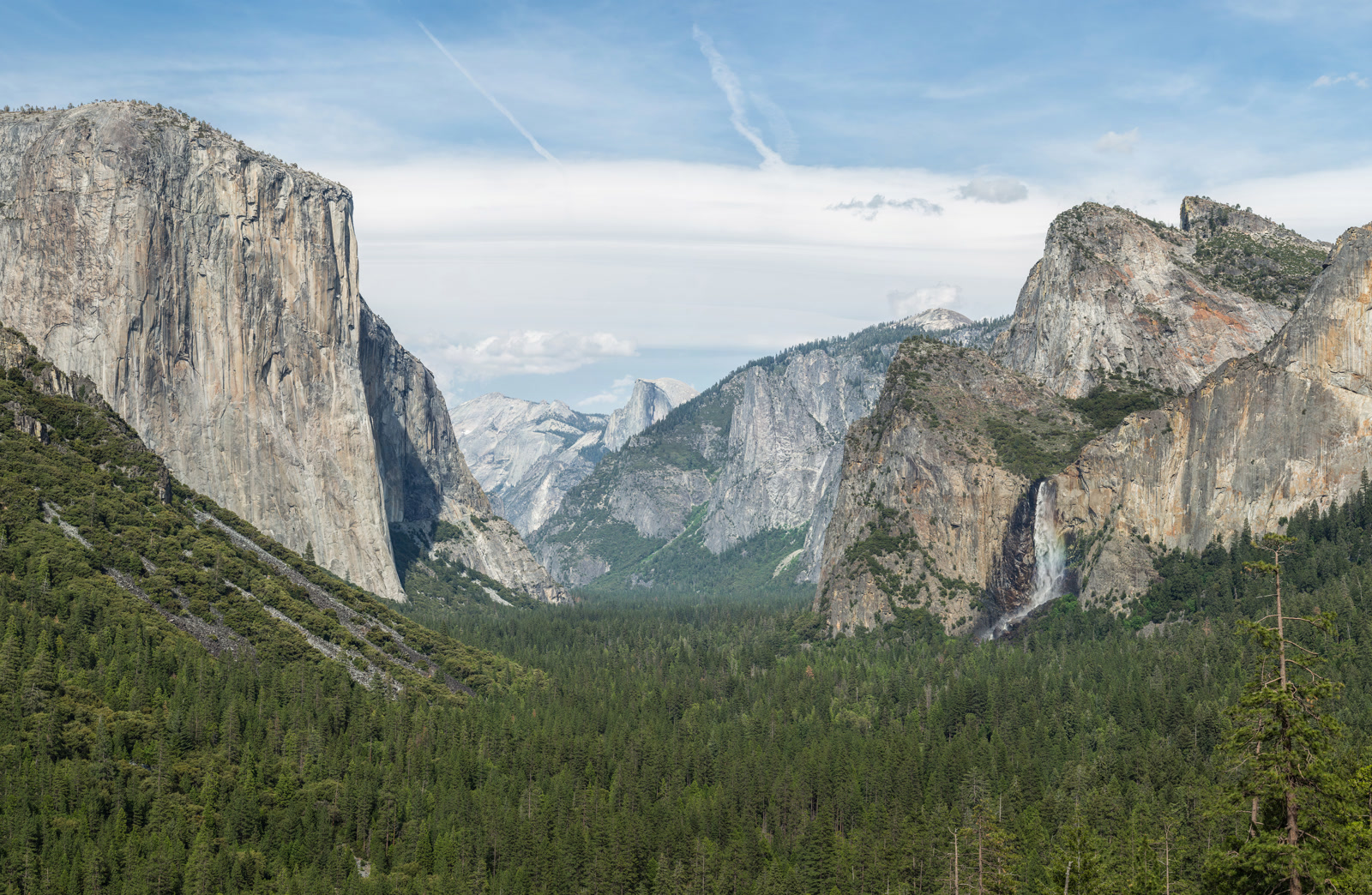
Then drive to Yosemite — roughly four hours from San Francisco. Two days is right: one for the valley floor — Tunnel View, the waterfalls, the meadows — and one for a longer walk or a drive up to Glacier Point. For 2026, the National Park Service has confirmed that no timed entry reservation is needed to drive into Yosemite. Campgrounds, lodging and Half Dome permits still need advance booking through Recreation.gov.
From Yosemite, drive south to Los Angeles for the last two days — granite cliffs one morning, the sprawl of Los Angeles the next. Take the city in small pieces — one neighbourhood at a time, one beach, one museum. The day you spend doing nothing in a meadow is not a wasted day, it is the trip.
National Parks: Which Ones Deserve Your Days
National parks are where first-timers most often misjudge the map. The parks are enormous, they are far apart, Yellowstone needs three or four days, not one. The Grand Canyon needs one to two. Yosemite needs two. Three parks in a week means a week of driving.
Yellowstone is the park that most rewards the time you give it. It is the world’s first national park, and it is really several parks in one, each a drive apart. Three days lets you see the geyser basins, the canyon — where the Lower Falls drops 308 feet, nearly twice the height of Niagara Falls — and Lamar Valley at dawn. Our Yellowstone Itinerary works through the park day by day.
The Grand Canyon is simpler to plan and harder to describe. Around four and a half million people visit each year, and the best months for a first visit are March to May, when the crowds thin and the rim is cool enough to walk comfortably. One day is enough to stand at the edge and take the shuttle along the rim; two days lets you walk partway down and understand its scale. The South Rim is the first-timer’s rim — open all year. Our Grand Canyon Itinerary covers it properly.
How Much Time Each Place Really Needs
These are full days on the ground, not nights. New York City needs three to four days. Washington, D.C. needs three. Boston needs one to two. San Francisco needs two to three. Los Angeles needs two. New Orleans needs three. Yellowstone needs three to four. The Grand Canyon needs one to two. Yosemite needs two. Niagara Falls needs one — and the Maid of the Mist boat ride runs roughly from late April to early November, so check the season before you build a trip around it.
Add those numbers up before you book anything. A first trip that tries to fit New York, Washington, Boston, the Grand Canyon and Yellowstone into ten days is not a trip, it is a transit schedule. The honest total is seven days for one coast and fourteen for both. If your holiday is shorter, cut a place, not a day from every place.
Getting Around: Trains, Flights and Rental Cars
Transport is the part of a first trip to the United States that surprises people most, because the country has no single system. The north-east has trains. The rest of the country has cars and planes.
On the East Coast, take the train. The Acela runs Washington to New York in about three hours, and the slower Northeast Regional takes about three and a half. Trains leave every hour or so, from city centre to city centre. Boston is another three and a half hours north of New York by train. For the whole East Coast route, you do not need a car at all.

For the West Coast, you need a rental car. The parks are not served by public transport in any useful way, and the drives between San Francisco, Yosemite and Los Angeles are part of the trip. Book the car before you fly, and remember that American rental cars are almost always automatic, with the driving on the right.
Between the coasts, fly. The flight from New York to San Francisco takes about six hours — the only sensible way to join the two routes. Book a morning departure, so you land with the afternoon still ahead of you.
When to Go: The Seasons That Change the Trip
Spring and autumn are the best seasons for a first trip to the United States, and it is not close. Late April to early June, and September to mid-October, give you mild weather, open trails and thinner crowds on both coasts. If you can choose your month freely, choose May or September.
Summer is the busiest season and the hottest. Washington’s humidity, the desert parks’ heat and the national parks’ crowds all peak between late June and August. It is still a good time to go, but it is the season that most rewards booking ahead.
Winter is the quiet season. The north-east is cold, with short days, but the museums are empty and the cities feel local rather than touristed. The south-west desert parks are mild and pleasant. The mountains are a different story — Yosemite’s high country closes to cars, and Yellowstone is a snow-bound park most visitors see only from a snowcoach. If you travel in winter, pick the cities and the desert.
First-Timer Mistakes Worth Skipping
The first mistake is trying to see everything. The United States will still be there next year, and the trip you enjoy is the one with a rest day in it. Build one slow morning into every three days.
The second mistake is underestimating distances. New York to the Grand Canyon is not a day trip. If a transfer takes four hours, it takes four hours, and the day it sits in is a travel day, not a sightseeing day.
The third mistake is skipping the reservations. The Statue of Liberty’s interior, the Air and Space Museum’s timed-entry passes, Yosemite’s campgrounds, Half Dome permits — book them the day they open, on the official site.
The fourth mistake is forgetting that America has several time zones and several climates in a single trip. A flight from New York to Los Angeles loses three hours. Pack layers, and keep a jacket in the daypack even in summer.
The fifth mistake is planning the trip around other people’s photographs. The Grand Canyon at sunrise is worth the early start, but only if you enjoy early starts.
A Simple 14-Day Route That Actually Works
If you have two weeks, this is the route that works — both seven-day routes from this guide, joined by a single flight.
Days one to three: Washington, D.C. — the National Mall, the Smithsonian museums, the neighbourhoods. Day four: the Acela to New York. Days five to seven: New York. Day eight: the train to Boston and the Freedom Trail. Day nine: fly Boston to San Francisco in the morning. Days ten and eleven: Yosemite. Days twelve and thirteen: Los Angeles. Day fourteen: a slow morning and the flight home.
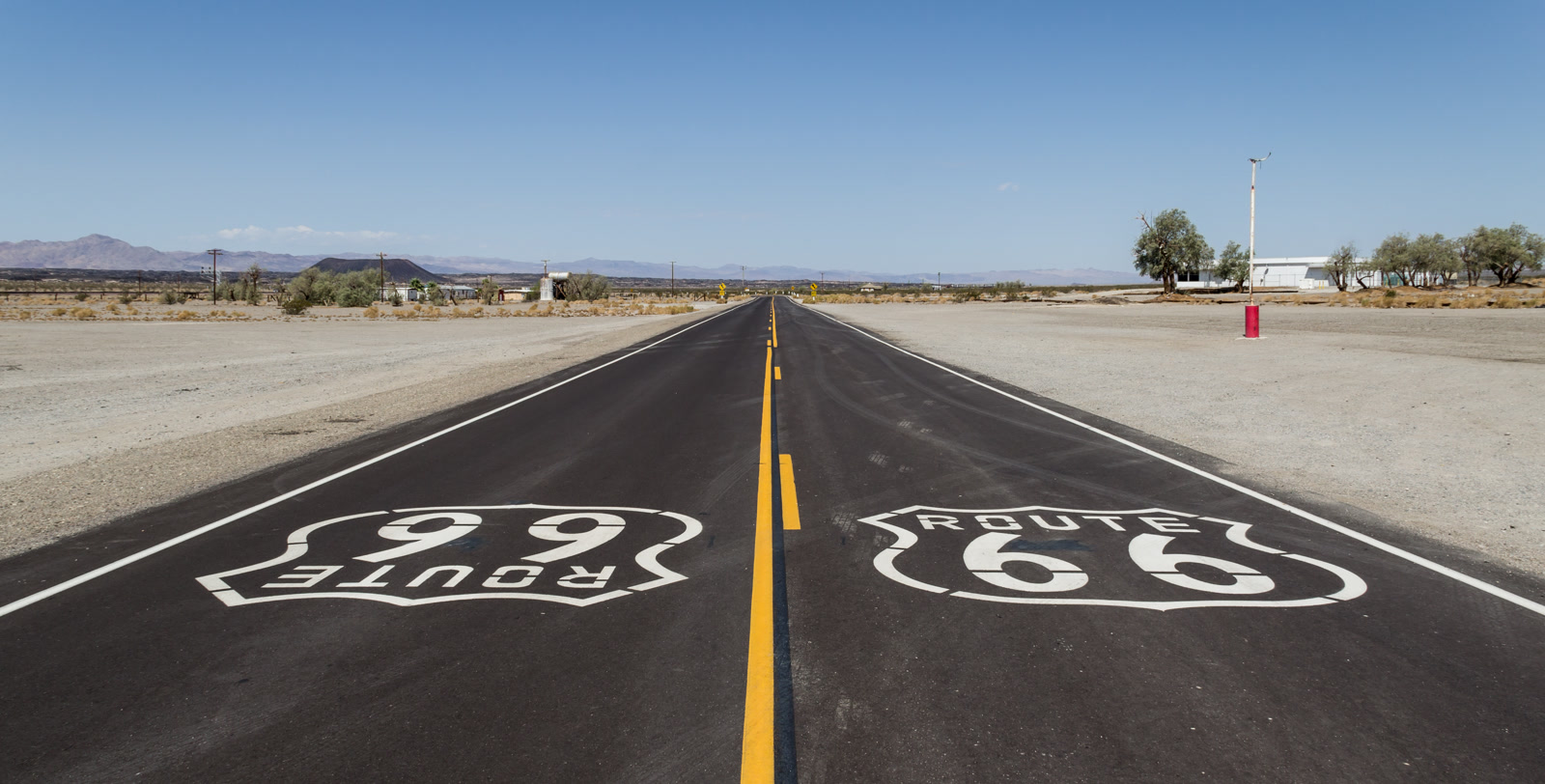
That is the whole trip, and it is deliberately unambitious: one flight, two train journeys, one rental car, and never more than four hours of driving in a day. If you want to add a day, add it to Yellowstone or to New Orleans. If you must cut a day, cut Boston, not a day from New York or from Yosemite. And the seven-day East Coast route on its own is a complete first trip — it holds the best things to do in the United States for a first-timer.
Frequently asked questions
How many days do I need for a first trip to the USA? Seven days for one coast, fourteen for both. Less than seven days, pick one city and enjoy it properly.
Is the East Coast or West Coast better for a first trip? The East Coast, for cities and history without a car. The West Coast, for scenery and parks.
Do I need a visa or an ESTA to visit the United States? Most visitors need one or the other, depending on nationality: an ESTA for visa-waiver countries, a visitor visa for everyone else. Check the official requirements well before you book.