
Winter splits American travellers into two camps: the ones chasing snow and the ones running from it. The good news is that the best winter vacation spots in the US serve both. Between December and March you can ski the biggest resort in the country in Utah, walk a Florida beach in the mid-70s, watch whales breach off Maui, or ride a snowcoach into a steaming, silent Yellowstone.
This guide rounds up the places that earn a winter trip: four ski towns with real character, four warm escapes, two cities that come alive in the cold, and national parks that many regulars call better in winter than in summer. The final section matches each spot to its traveller.
Park City, Utah: The Biggest Ski Resort in the Country
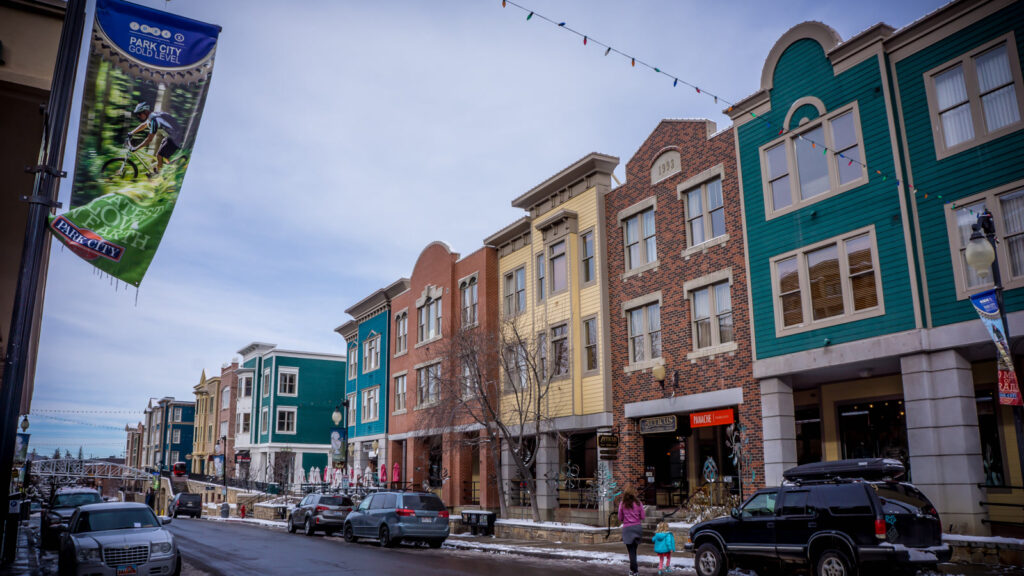
If one ski town has to carry the flag, Park City makes the strongest case. Park City Mountain spreads over more than 7,300 acres — the largest ski resort in the United States — with over 330 trails from high alpine bowls down to the edge of town. The Town Lift loads right off historic Main Street, so you can finish a run, unclip, and be sitting down to lunch in an old silver-mining storefront in about four minutes.
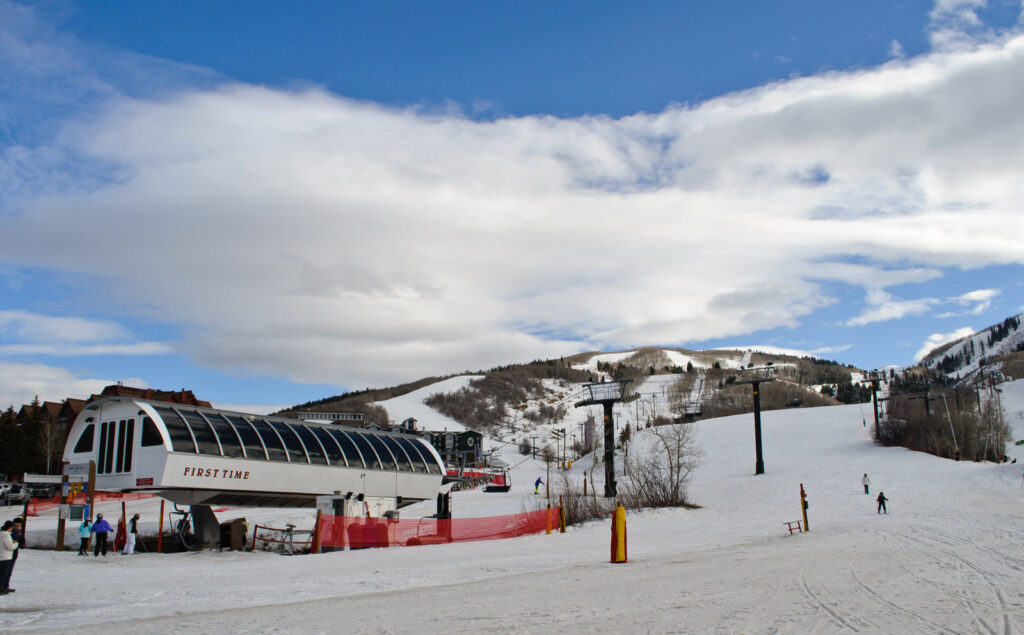
The logistics are the kind other ski towns envy: Salt Lake City’s airport is roughly a 35-minute drive away, and the town sits at about 7,000 feet — high enough for reliable snow, low enough to breathe easy. Deer Valley spreads over the hills on the other side of town for a second, quieter mountain, and Main Street does the après-ski work in brick Victorian storefronts strung with lights. For a first ski trip, or a mixed group that argues about everything else, Park City is the easy yes.
Aspen, Colorado: Four Mountains Over a Silver-Mining Town
Aspen is really four ski areas sharing one ticket and one very pretty town. Aspen Mountain — Ajax to everyone who skis it — rises straight out of downtown and famously has no beginner terrain at all. Beginners get a mountain of their own at gentle Buttermilk, home of the X Games; experts make the pilgrimage to Aspen Highlands and the hike-to Highland Bowl; and Snowmass, the giant of the four, tops out with a lift-served vertical of about 4,400 feet.
Underneath it all sits a genuine 1880s silver-mining town at nearly 8,000 feet, its Victorian brick storefronts intact. Aspen is the priciest name on this list and makes no apology for it. What you get for the money is variety: four different hills, four different moods, one valley.
Jackson Hole, Wyoming: Steep Slopes Under the Tetons
Jackson Hole is where American expert skiers go to be measured. At Teton Village, twelve miles northwest of the town of Jackson, the aerial tram everyone calls Big Red carries 100 passengers up 4,139 vertical feet to the 10,450-foot summit of Rendezvous Mountain — one of the biggest continuous verticals in the country. At the top sits the entrance to Corbet’s Couloir, a cliff-lined chute that is the most famous single run in North American skiing.
The setting does half the work. The Tetons rise straight out of the valley floor, Grand Teton National Park begins just north of the village, and the town of Jackson keeps its wooden sidewalks and elk-antler arches. If Wyoming’s scale appeals but you want a smaller, sunnier ski town, our guide to things to do in Sun Valley, Idaho is the same idea at a gentler pitch. Jackson Hole itself is the full-strength version: come in January or February, when the storms stack up.
Lake Placid, New York: Olympic Ice in the Adirondacks
The East has a winter capital too, and it has the medals to prove it. Lake Placid, a village inside the six-million-acre Adirondack Park, is one of only three places in the world to have hosted the Winter Olympics twice, in 1932 and 1980 — the Games that produced the Miracle on Ice, the young US hockey team’s win over the Soviet Union, in the rink you can still skate in today.
The skiing is serious. Whiteface Mountain drops 3,430 vertical feet, the greatest of any ski area east of the Rockies, on long Olympic downhill runs. Off the slopes, the village wraps around Mirror Lake: skate on the lake when it freezes, ride a bobsled run built for Olympians, or walk Main Street while the snow comes down. For anyone east of the Mississippi, Lake Placid delivers a real winter — no Rocky Mountain flight required.
Key West, Florida: Winter in the Mid-70s
At the other end of the thermometer sits Key West, where January’s average high is about 76 degrees and winter is the dry season. Getting there is half the trip: the Overseas Highway runs 113 miles from the mainland across 42 bridges, island after island, ending at Mile Marker 0 in a town of conch houses, roosters and six-toed cats.
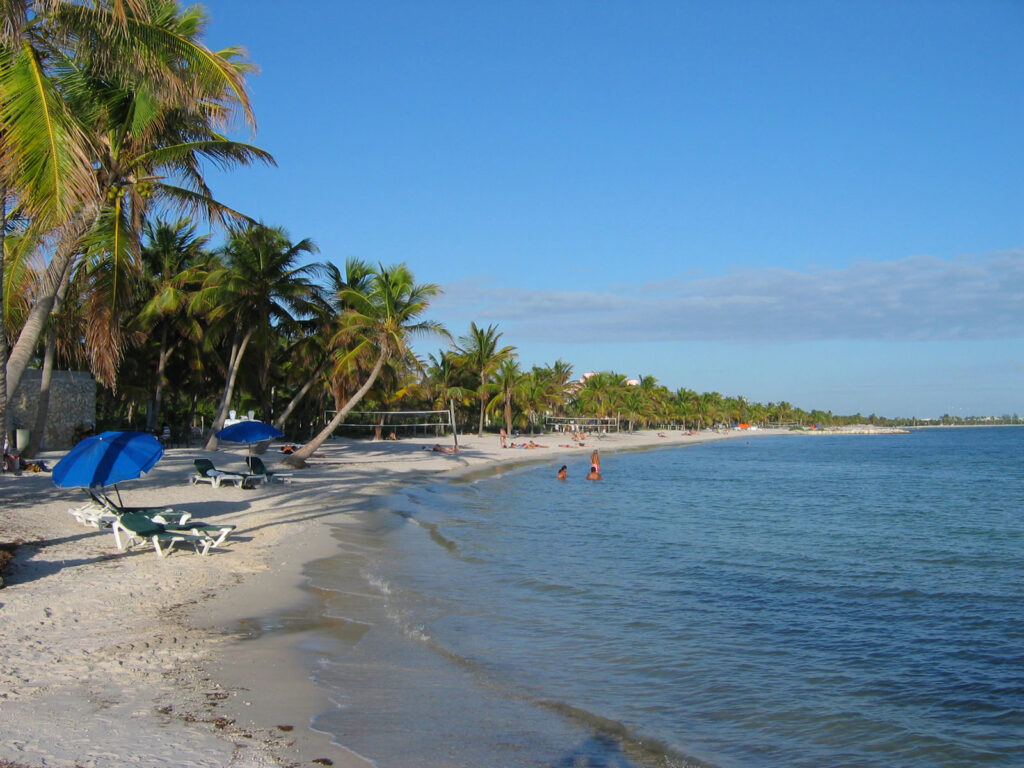
Days arrange themselves easily. Swim at Smathers Beach or the sheltered shore at Fort Zachary Taylor, photograph the Southernmost Point buoy, and take the ferry 70 miles west to Dry Tortugas National Park and its Civil War-era fort in gin-clear water. Every evening ends at the Sunset Celebration in Mallory Square, where the whole town gathers to watch the sun drop into the Gulf. Of all the warm names on this list, Key West feels most like leaving the country without actually doing it.
San Diego, California: The Mildest Winter on the Mainland
San Diego does not do extremes. January highs sit around 66 degrees, its little rain usually passes in a day, and the city’s great outdoor rooms stay open all winter. Balboa Park alone covers 1,200 acres of gardens, Spanish Colonial Revival pavilions and museums, with the San Diego Zoo in its canyons.
Winter also brings the wildlife event summer visitors miss. More than 20,000 gray whales pass Point Loma on their migration south, and mid-January is the peak — watch from the cliffs at Cabrillo National Monument or take a boat and meet them at eye level. The Pacific stays near 58 degrees, so the beaches are for walking, tidepooling and sunset rather than swimming.
Hawaii and Puerto Rico: The Island Escapes
Two island trips need no winter coat at all. In Hawaii, January days in Honolulu average around 80 degrees, the big surf pounds Oahu’s North Shore, and thousands of humpback whales spend December to April in the sheltered channels off Maui, peaking from January to March. From the shore at dawn you will see breaches on the horizon; from a boat in the Auau Channel, they surface beside you.
Puerto Rico offers the Caribbean with the paperwork removed. It is a US territory, so American travellers fly in on a domestic ticket, no passport needed, and land in a capital founded in 1521. Old San Juan packs blue cobblestone streets and two great Spanish forts, El Morro and San Cristóbal, into a few walkable blocks, and El Yunque, the only tropical rainforest in the US National Forest System, in the hills less than an hour east. Add an evening paddle in a bioluminescent bay and you have the warmest history lesson in America.
New York and New Orleans: Winter Is City Season
Some places winter improves. New York City is the clearest case: the Rockefeller Center Christmas tree — a tradition running since the 1930s — stands over its skating rink into mid-January, Bryant Park’s Winter Village pairs a free-admission rink with more than 180 holiday shops, and skaters circle Wollman Rink under the Central Park skyline. January turns cold, with highs in the low 40s, but it also turns quiet: the holiday crowds go home, Broadway tickets loosen up, and the city belongs to the people walking fast with somewhere to be.
New Orleans runs the opposite schedule. While the north freezes, Carnival season builds from early January toward Fat Tuesday, and the city spends two months dressing up: king cakes in every bakery, parades rolling from neighbourhood routes to downtown spectaculars. Days are mild enough for a light jacket, the French Quarter is at its most atmospheric in the cool air, and come in January, before the final Mardi Gras weekend, you get the build-up — the better party, many locals will tell you — with room to move.
National Parks in Winter: Snow, Silence and Empty Roads
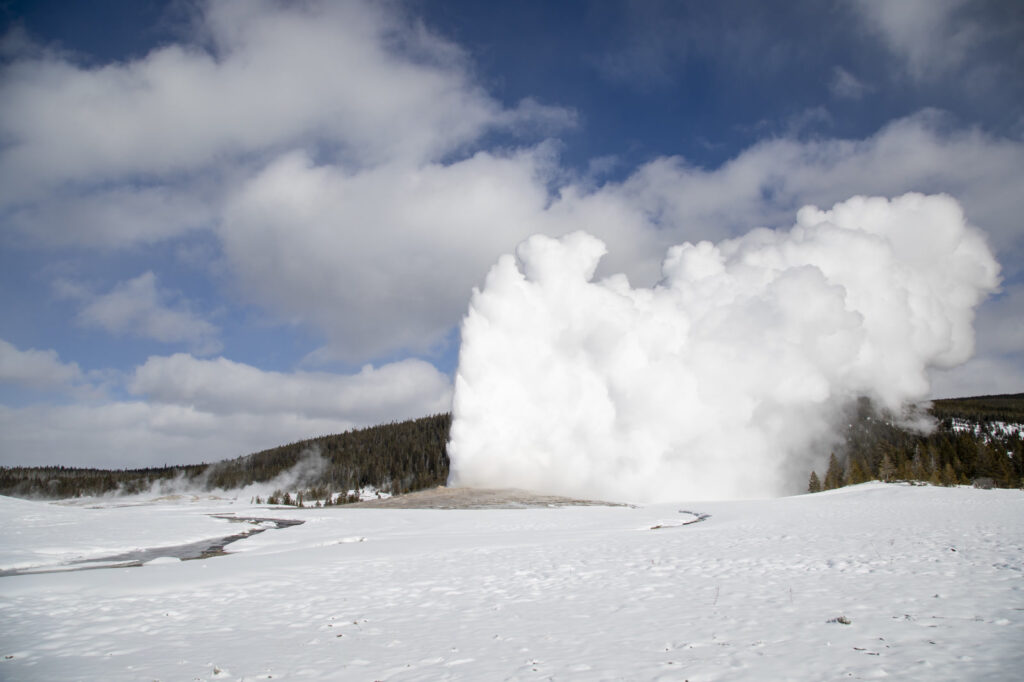
Ask rangers for their favourite season and a surprising number say winter. Yellowstone is the extreme example: from mid-December to mid-March almost every park road closes to cars, and the interior belongs to snowcoaches and guided snowmobiles. Old Faithful erupts over a snowfield to a handful of people instead of a summer crowd, and the one road that stays open — from Gardiner through Mammoth Hot Springs to Cooke City — runs through Lamar Valley, where wolves hunt in the open all winter.
Utah and Arizona play along too. Bryce Canyon sits between 8,000 and 9,000 feet, so its orange hoodoos spend winter capped in snow, with ranger-led snowshoe walks under clear, cold skies. The Grand Canyon’s South Rim stays open all year at about 7,000 feet, while the North Rim closes to vehicles. Winter also flips the desert parks from dangerous to delightful: Death Valley averages a January high of about 67 degrees at Furnace Creek, against 116 in July, and the Everglades’ dry season, December to April, concentrates alligators and wading birds along the Anhinga Trail with the mosquitoes finally stood down. Our full guide to the best national parks to visit in winter goes park by park.
How to Choose — and When to Go
Match the trip to the traveller and the calendar does the rest. Skiers who want the deepest snow should aim at January and February in Park City, Aspen or Jackson Hole. Beginners and families are better served by Park City or Lake Placid, where a non-skiing day still feels like a holiday. Warm-weather travellers have it easiest: Key West, San Diego, Hawaii and Puerto Rico deliver their best conditions any time from December to March, with Hawaii’s whale peak and San Diego’s gray whales both landing in January.
Two timing tricks apply everywhere. The fortnight after New Year, once the holiday crowds fly home, is usually the season’s quietest stretch almost everywhere on this list. And build in a spare day where snow is involved: the storm that delays your flight often leaves the mountain looking its best the morning after.
FAQ
What are the best winter vacation spots in the US?
It depends on your winter. For skiing, Park City pairs the country’s biggest resort with the easiest airport run. For warmth, Key West and Hawaii deliver real beach weather in January. For a trip with no slopes or sand, try New York in December or New Orleans in Carnival season.
Where is the warmest place in the US in January?
Hawaii and Puerto Rico sit around 80 degrees on a typical January day, with Key West close behind at about 76. All three are reliably warm; Hawaii adds whale season, Puerto Rico adds the no-passport convenience, and Key West adds the drive down the Overseas Highway.
Do US citizens need a passport for Puerto Rico?
No. Puerto Rico is a US territory, so travel from the mainland is domestic: the same ID you would use for any US flight, US dollars, and your usual phone plan.
Can you visit Yellowstone in winter?
Yes — one of the great winter trips, but not by car. From mid-December to mid-March the interior is reached by snowcoach or guided snowmobile, while the road from Gardiner through Mammoth Hot Springs and Lamar Valley to Cooke City stays open to regular vehicles.
When is the least crowded time for a winter trip?
Mid-January to early February, between the New Year rush and the February holiday weekends, is usually the quietest window at ski towns, warm escapes and cities alike.