
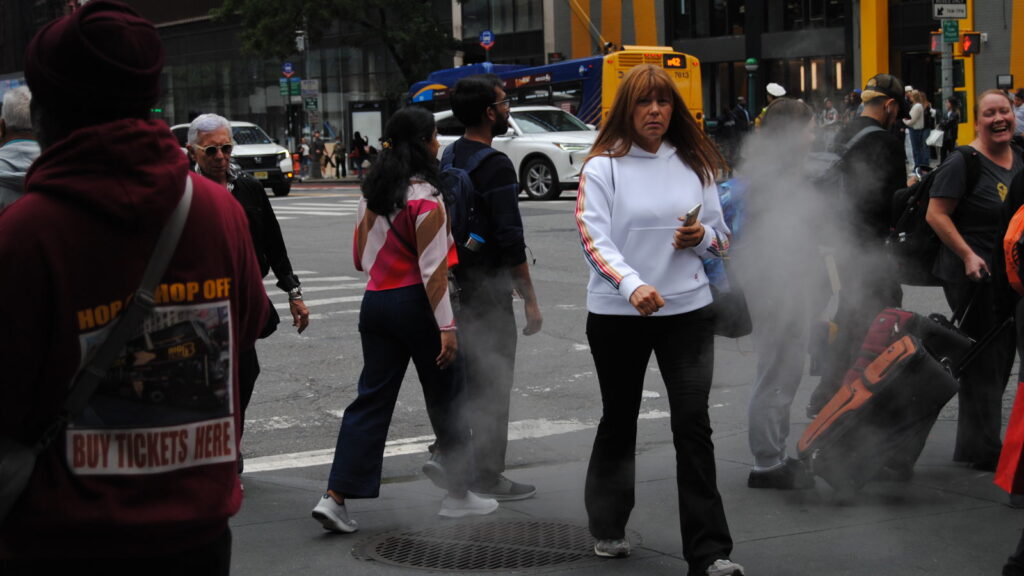
The best shoes for walking in New York City are cushioned sneakers you have already broken in. A sightseeing day means hours on concrete, subway stairs, cobblestones, subway grates and cracked pavement, and the shoe that feels fine in the shop can turn on you by the third avenue block. Every model named below comes from a test that actually walked the miles: the New York Post’s 2026 Made It Here Awards, which put 15 shoes through a 5.5-mile walk from Columbus Circle to Battery Park on a sweltering summer day, and We3Travel’s long-distance walking tests.
| Shoe type | Best for | The pick to start with |
|---|---|---|
| Cushioned sneakers | Long sightseeing days, all seasons | Nike Pegasus 42 |
| Weather-proof sneakers | Rain, slush, puddle season | Hoka Transport 2 |
| Leather sneakers | Dressier days, fall and winter | New Balance 990v6 |
| Boots | Cold, rain and snow | Margaux West Chelsea Boot |
| Flats and loafers | Dinners and short walks | Madewell Greta Glove Flat |
| Sandals | Hot, humid summer days | Supportive sport sandals |
How Much Walking a New York Day Really Means
A day of sightseeing in New York is a walking day, whether you plan it that way or not. A resident blogger who walks the city every day logs about 3 miles just getting around — and a visitor doing the sights will do far more. The full Central Park loop is a little over six miles, the High Line runs about a mile and a half, and the Brooklyn Bridge walk is just over a mile, before you count the walk to the bridge and back. Add the subway stairs and the cobblestones of SoHo and the West Village, and a normal sightseeing day easily passes 20,000 steps. Our NYC Weekend Itinerary is built around exactly that kind of day.
That is why the shoe matters more in New York than in almost any other American city: here you walk everywhere, all day. The Post’s testers learned this the hard way — several were dealing with blisters within ten blocks. The ones who finished the 5.5-mile route comfortably had two things in common: cushioning underfoot and a shoe they had already worn in.
Sneakers First: The Default Shoe for a Sightseeing Day
If you pack one pair of shoes for New York, make it a pair of cushioned sneakers. The foam absorbs the shock of concrete, the rubber outsole grips wet pavement and subway grates, and the breathable upper keeps your feet cool on a humid afternoon.
In the Post’s 2026 test, fifteen shoes walked from Columbus Circle to Battery Park — about 5.5 miles — on a sweltering summer day. The overall winner was the Nike Pegasus 42, a neutral daily trainer with a wide toe box and full-length cushioning. Its tester, a marathon runner, had already run six miles before the test and still walked five more in the Pegasus 42 pain-free. The Pegasus 42 is the newer model: it replaces the 41 with more toe-box room, so if an older list names the 41, the 42 is the one to look for.
The other sneaker worth knowing from the same test is the Hoka Transport 2, which won best weather-proof. It has a water-resistant coating, a breathable mesh upper and a grippy, treaded sole — the most comfortable pick for anyone whose main concern is comfort. For a sightseeing trip, it is the sneaker to pack when the forecast is uncertain.
The Cushioned Shortlist: What the Tests Actually Found
Cushioning is the feature that matters most for a walking day, and the independent tests agree on which models deliver it. We3Travel spent weeks testing HOKA and Brooks models for all-day walking and came back with a shortlist built for hard surfaces: the HOKA Bondi 9, a max-cushion shoe built specifically for walking on pavement; the HOKA Clifton 10, lighter and still plush; and the Brooks Ghost Max 2, with a thick, rocker-shaped sole that one tester walked more than 800 kilometres in without a breakdown. The ASICS Gel-Nimbus 27 and the New Balance 990v6 round out the same shortlist, and the HOKA Transport and the Merrell Moab Speed 2 GTX cover the weather-proof end of it.
What these shoes share is a thick midsole and a rocker shape that rolls your foot forward — that is what saves your knees on the fourth hour of a walking day. The Bondi 9 is the softest of the group; the Clifton 10 is the same cushioning in a lighter package. The Ghost Max 2 sits in the middle: cushioned but not mushy, with a smooth ride and a roomy upper, and it comes in several widths, which matters if your feet swell by the afternoon.
Leather Sneakers: The Dressier Pair That Still Walks
Not every day in New York is a sneaker day. There are dinners, shows, and evenings when a running shoe feels wrong — and that is where leather sneakers earn their place. A leather sneaker looks right with jeans or a dress, and it walks far better than a flat or a loafer, provided you choose one with a real cushioned sole rather than a fashion sole that is flat as a board.
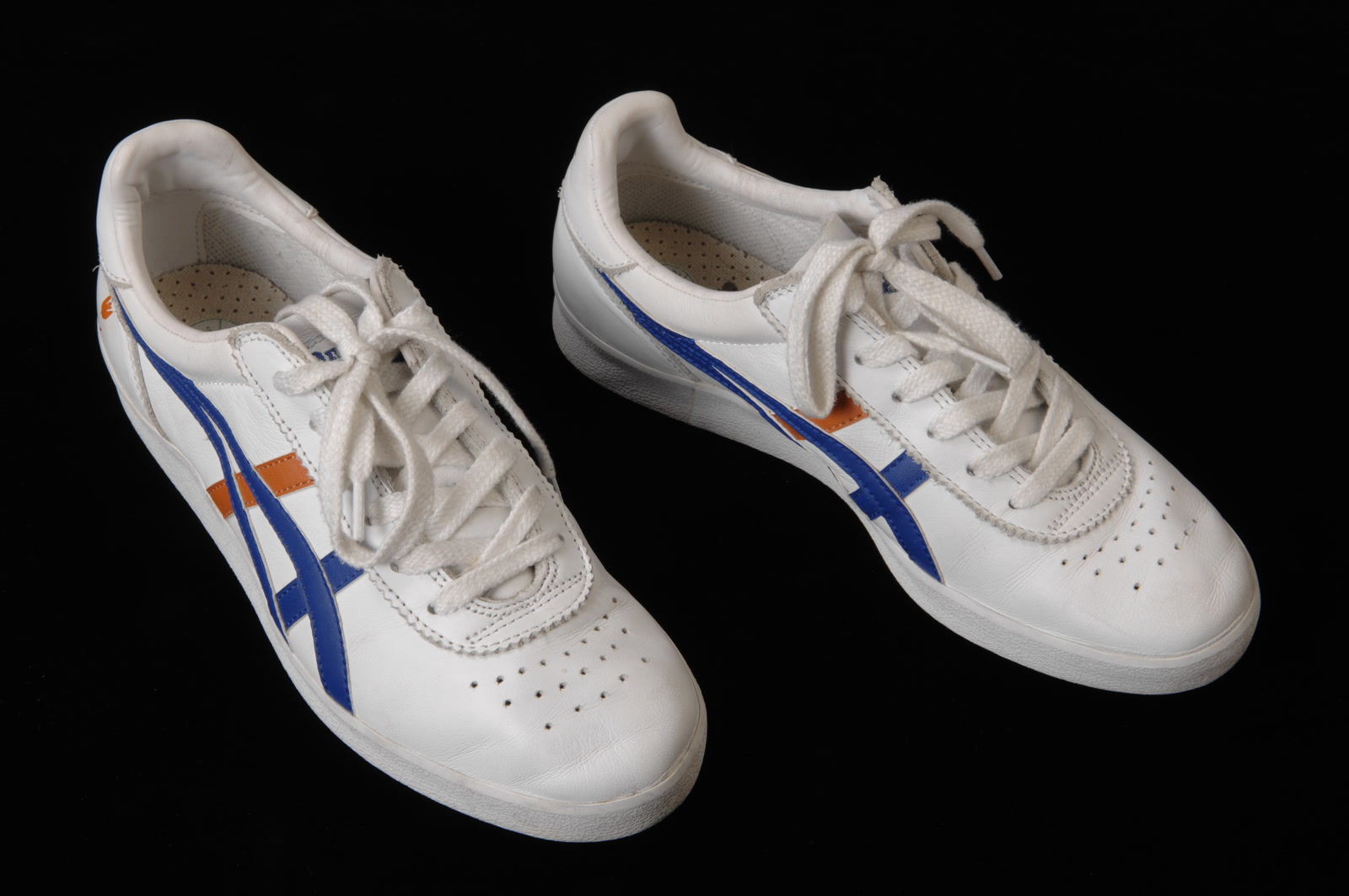
Camille, a New Yorker who logs about 3 miles of walking on an ordinary day, recommends leather sneakers because leather is much easier to clean than fabric — and in fall or winter, leather keeps your feet warmer. Her rotation includes the Adidas Samba, Veja sneakers and her New Balance 990s and 9060s. The Samba is a low-profile leather shoe with a gum sole — excellent for everyday wear, though its flat sole means it is not the shoe for a ten-mile sightseeing day. The New Balance 990v6 is the sturdier half of the same idea — a retro-looking sneaker with a modern foam midsole and a suede-and-mesh upper, made in the USA, and the one to pick when you want a leather-look shoe that can still carry a full day.
Flats, Loafers and the Shoes That Look Right at Dinner
Flats and loafers are the shoes for the part of the day when the walking is done. They are not sightseeing shoes, and the New York Post’s test proved it: most of the flats and loafers in the test produced blisters within a few blocks, and several testers tapped out early. But the winners in each category are genuinely useful — for a dinner, a show, or a short evening walk — and they are worth packing as a second pair.
The best ballet flat in the test was the Madewell Greta Glove Flat: the tester, a former dancer with extensive foot problems, walked six miles in them — including jogging a block — with shockingly little discomfort, and they did not slide off her heel on stairs the way flats often do. The best loafer overall was the Quince Italian Leather Soft Loafer, with a soft, supple Italian leather upper and an Ortholite insole; its blister-prone tester adjusted to them far faster than expected, with virtually no break-in period. The Coach Leah Loafer, best patent leather, has sturdy lug soles with great traction and held up to light rain. The best heel, the Sole Bliss Carmen, is the comfiest heel its tester had ever tried — she walked about two miles before the blisters kicked in. But two miles is the ceiling: heels are for the evening. The shoes to avoid for serious walking are the pretty ones with no support — the Reformation Bethany Ballet Flat blistered its tester after ten blocks.
Boots for Cold, Rain and Snow
From late autumn to early spring, New York’s sidewalks are wet, slushy and sometimes icy, and that is boot weather. The right boot for the city is not a hiking boot and not a fashion boot — it is something in between: waterproof or water-resistant, with a lug sole that grips slick tile and subway grates, and warm enough for standing still in the cold while you wait for a table or a train.
The Post’s test gave its top boot prize to the Margaux West Chelsea Boot, a suede Chelsea boot with light water resistance and a durable lug sole. The tester finished the whole 5.5-mile route in them — and even ran part of it — without slipping once, on subway grates and cracked pavement alike. The durability winner was the Blundstone Vegan Originals 2115, water-resistant with a removable cushioned footbed and shock absorption in the heel; its tester went two miles totally pain-free and reported zero blisters while nearly every other tester had them.
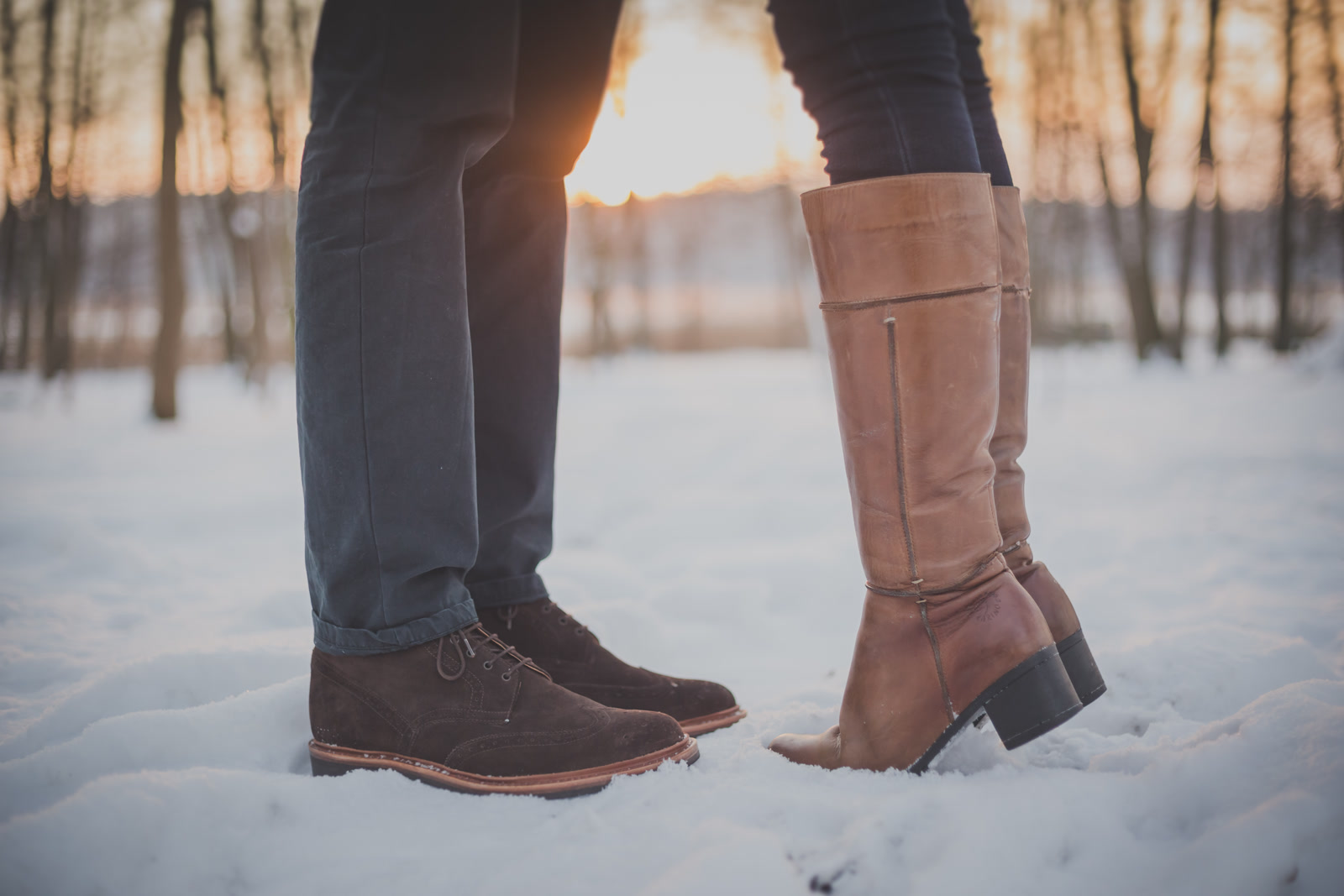
For deep winter, the details matter more than the brand. A lug sole is the single most useful feature — it is what keeps you upright on a subway grate or a patch of black ice. Water resistance matters more than waterproofing for most days. The Hoka Transport 2 is the in-between option for the shoulder months.
Sandals and Summer: What Works When It Is Hot and Humid
New York in July and August is hot and humid, and sandals are tempting. They can work — but only the right kind. A flat flip-flop or a thin leather sandal will leave your feet aching by mid-afternoon, and the city’s pavement is unforgiving: hot asphalt, subway grates, and the occasional mystery puddle. The sandals that survive a New York summer have three things: a contoured footbed with arch support, a strap that actually holds your foot in place, and a sole thick enough to insulate you from the hot pavement.
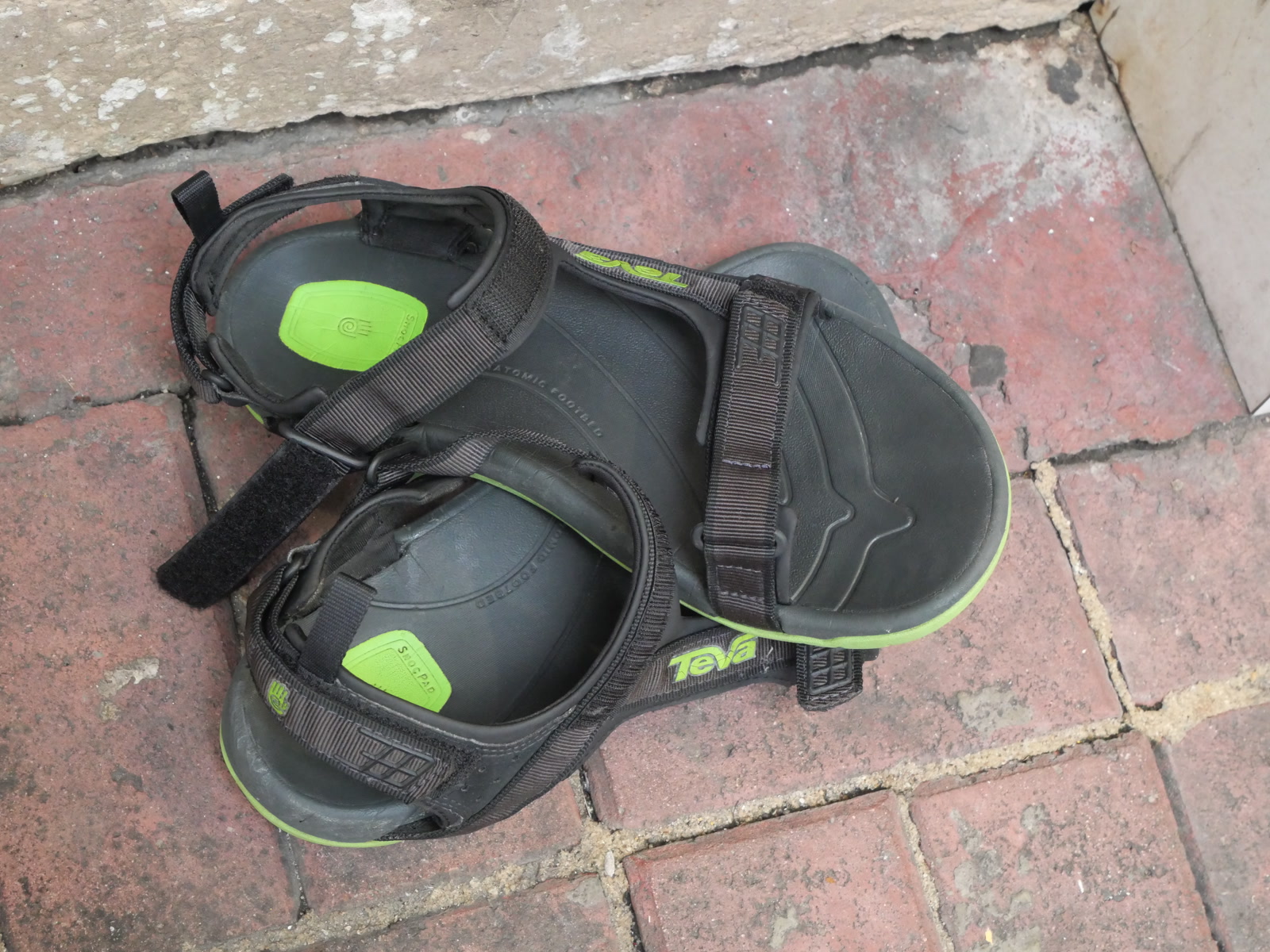
Sport sandals are the practical answer: a cushioned midsole, a grippy outsole, and they dry quickly if you get caught in a summer downpour. They are a daytime shoe, swapped for flats or loafers in the evening. If you prefer a leather sandal, choose one with a moulded footbed rather than a flat sole. Wear moisture-wicking socks on the hottest days and carry a spare pair in your day bag. Keep the sandals for the beach day or the park afternoon, not for the ten-mile sightseeing route.
Arch Support, Cushioning and Fit: What to Look For Before You Buy
The models named above are a starting point, but the fit matters more than the name on the box. Four things decide whether a shoe will survive a New York day.
First, arch support. If you have low arches or flat feet, a shoe with built-in arch support — or room for your own insole — will save you by the afternoon. If you use orthotics, bring them to the shop and try the shoe with them in. Second, cushioning. The midsole absorbs the shock of concrete and is the first thing to wear out — most walking shoes lose their cushioning after roughly 350 to 500 miles. Press the midsole with your thumb: if it feels flat and hard, it is done. Third, fit. Buy a half size larger if your feet swell, and try shoes on at the end of the day, when your feet are at their largest. If the shoe pinches in the shop, it will punish you on the sidewalk. Several of the best walking shoes come in wide versions — the New Balance 990v6 and the Brooks Ghost Max 2 among them — and if you have wide feet, the wide version is worth finding.
What Not to Wear in New York
Some shoes are simply wrong for this city, and it is worth naming them plainly. Brand-new shoes of any kind: the break-in period is real, and New York is the worst place in America to discover it. The Post’s testers proved it repeatedly — the Reformation ballet flat blistered after ten blocks, the Vivaia Mary Jane needed tissues stuffed in for the subway ride, and the Aldo heel gave its tester blisters after twenty minutes. New shoes stay home until they have done a few short walks without complaint.
Thin-soled fashion sneakers are the second trap: the Alo Sunset Sneaker won best style in the Post’s test, but its tester was clear — almost no support, a shoe to change into at a concert, not to commute in. The third trap is the opposite: a heavy, stiff boot that has never been worn. And finally, skip the heels for any day with real walking in it — two miles is the best a heel can do, and two miles in New York is barely the walk to breakfast.
Breaking Them In: The Week Before You Fly
The single most useful thing you can do for your feet is also the simplest: wear your New York shoes for a week before you fly. Not around the house — out, on pavements, for real walks. Start with a short walk, an hour or so, and build up to a three- or four-mile day. If a blister is going to form, you want it to form at home, where you can fix the fit, change the socks, or swap the shoe — not on day one in Manhattan.
Pack a small foot kit: blister plasters, anti-chafing balm, and a spare pair of moisture-wicking socks. Rotate two pairs if you can, and tape the spots that usually rub before you leave the hotel, not after they hurt.
Frequently asked questions
What are the best shoes for walking in New York City in winter? A water-resistant boot with a lug sole — the Margaux West Chelsea Boot won the Post’s test, and the Blundstone 2115 is the durability pick.
What are the best shoes for walking in New York City in summer? Cushioned sneakers first — the Nike Pegasus 42 or the HOKA Bondi 9 — with supportive sport sandals for hot afternoons and park days. Avoid flat flip-flops for long sightseeing routes.
Are sneakers acceptable everywhere in New York? Almost — sneakers are fine for sightseeing, museums, lunch, matinees and the subway. For a smart dinner or a show, leather sneakers, loafers or flats look more at home.
How many miles will I walk in New York each day? A sightseeing day easily passes 20,000 steps — plan your shoes for a full day on your feet, not a short stroll.