
If you are looking for the best things to do in USA, start here: the country is too big for one trip, so this list picks the 25 iconic experiences that define an American trip — the famous landmarks, the national parks, the cities and the drives — and goes deep on the ten that matter most.
One planning note: since 1 January 2026, non-US residents aged 16 and over pay an extra $100 per person at the 11 busiest national parks, on top of the normal entrance fee, unless they hold the $250 nonresident America the Beautiful annual pass (US residents pay $80 for the same pass). If your trip includes two or three parks, the pass usually pays for itself. Check the current rules on nps.gov before you travel.
Short Version: The 10 Best Things to Do in USA
Here is the whole country in one table. The ten experiences in bold get the full treatment below.
| Experience | Where | Best for | Free or ticketed |
|---|---|---|---|
| Grand Canyon at sunrise | Arizona | First light, big views | Park entry |
| Brooklyn Bridge walk | New York City | Dawn, skyline views | Free |
| Old Faithful eruption | Yellowstone, Wyoming | Geysers, geothermal wonder | Park entry |
| Smithsonian museums | Washington, D.C. | A free day of world-class museums | Free |
| Eating your way through New Orleans | Louisiana | Food, music, street life | Meals only |
| Pacific Coast Highway drive | California | Coastal views, road-trip freedom | Free to drive |
| Broadway show | New York City | Theatre at its best | Ticketed |
| Times Square at midnight | New York City | Neon, crowds, energy | Free |
| Yosemite Valley | California | Waterfalls, granite walls | Park entry |
| Las Vegas Strip after dark | Nevada | Neon, shows, people-watching | Free to walk |
| Statue of Liberty and Ellis Island | New York City | History, harbour views | Ferry ticket |
| Golden Gate Bridge | San Francisco | The classic photo | Free to walk |
| Route 66 | Chicago to Santa Monica | The great American road | Free to drive |
| Antelope Canyon | Arizona | Slot-canyon light beams | Guided tour |
| Snorkelling in Hawaii | Hawaii | Reefs, turtles, warm water | Beach free |
| Live music in Nashville | Tennessee | Honky-tonks, songwriters | Cover charges |
| Disney World and Universal Orlando | Florida | Theme-park days | Ticketed |
| Monument Valley | Utah–Arizona border | Desert scenery, film history | Park entry |
| Central Park | New York City | A green break from the city | Free |
| Hollywood Walk of Fame | Los Angeles | A quick photo — then move on | Free |
| Warner Bros. studio tour | Los Angeles | Real film-making, better than the Walk of Fame | Ticketed |
| Alcatraz Island | San Francisco | The Rock, the audio tour | Ferry ticket |
| Hoover Dam | Nevada–Arizona border | Engineering, desert views | Free to walk |
| Great Smoky Mountains | Tennessee–North Carolina | Misty ridges, wildlife | Free entry |
| Chicago architecture river cruise | Illinois | The skyline from the water | Ticketed |
The ten below are the ones to build a trip around.
Stand on the Edge of the Grand Canyon at Sunrise
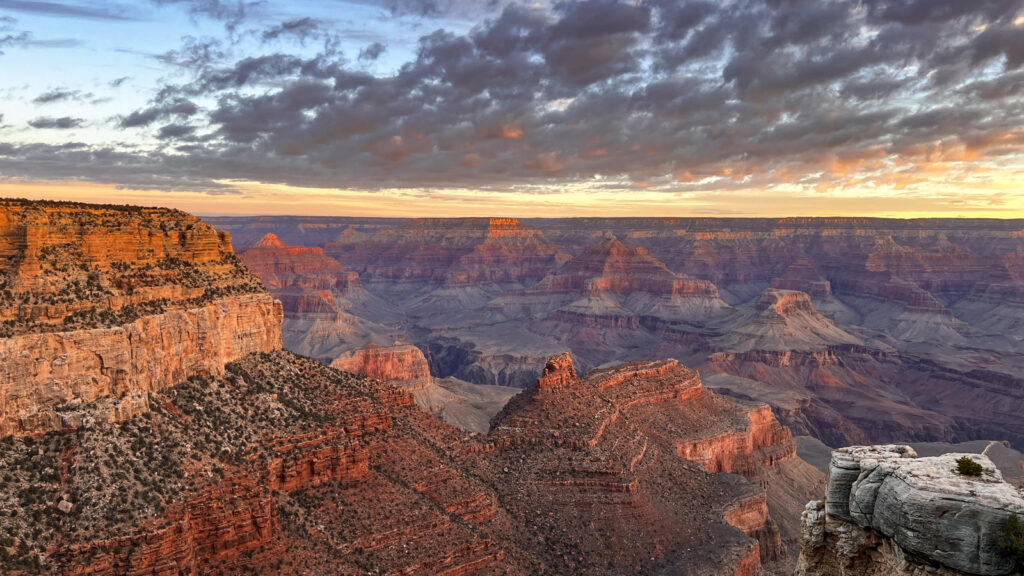
The Grand Canyon is 277 river miles long, up to 18 miles wide and a mile deep, and no photograph prepares you for the first time you stand at the rim. Layer upon layer of red, orange and cream rock stretches so far that the far rim looks like a different country. Come at sunrise, when the light moves down the walls minute by minute and the canyon changes colour in front of you.
Mather Point, near the visitor centre on the South Rim, is the easiest sunrise spot and the most crowded, so arrive at least half an hour before the sun comes up. For a quieter view, walk ten minutes along the flat, paved Rim Trail towards Yavapai Point. If you want more, our Grand Canyon itinerary turns this one morning into a full park plan. One warning: do not hike to the river and back in a single day — the canyon is far deeper than it looks, and the heat at the bottom is a different season from the rim.
Walk the Brooklyn Bridge Before the Crowds Wake Up
The Brooklyn Bridge opened in 1883, and walking it is still the best free thing to do in New York City. The pedestrian path runs above the traffic, between the stone towers and under the web of cables, with the Manhattan skyline growing in front of you. Go at dawn: by 9 a.m. the path is a slow-moving crowd of selfie sticks; at 6:30 a.m. it belongs to joggers and the few travellers who set an alarm.
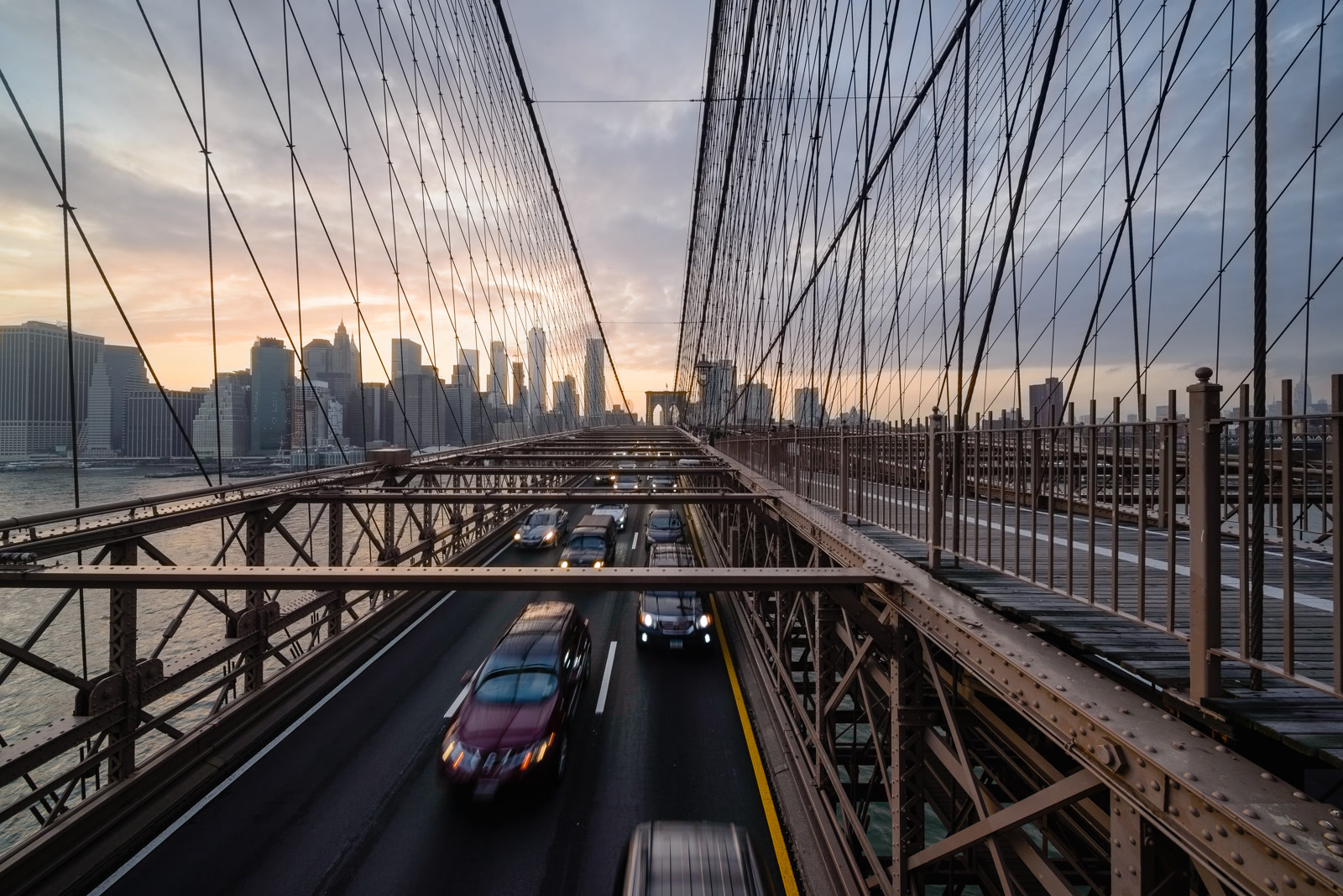
Start on the Manhattan side, near City Hall, and walk towards Brooklyn. The views get better the further you go, and DUMBO, the neighbourhood at the far end, is the reward: cobbled streets, old warehouses and the famous view of the bridge framed between two brick buildings on Washington Street. While you are in New York, the Statue of Liberty deserves the same early-start discipline. The statue itself stands 151 feet (46 metres) from base to torch, and the climb to the crown is 354 steps — but the real challenge is the ticket. Crown tickets are usually reserved three to four months ahead, so book them before you book anything else. Our NYC weekend itinerary fits the bridge, the statue and the rest of the city into two days.
Watch Old Faithful Blow in Yellowstone
Yellowstone is the world’s first national park, founded in 1872, and Old Faithful is its most famous resident. The geyser erupts roughly every 90 minutes, shooting boiling water 106 to 185 feet into the air for one and a half to five minutes, and the park rangers predict each eruption to within about ten minutes. Check the prediction board at the Old Faithful Visitor Education Center when you arrive, then find a seat on the boardwalk with half an hour to spare. The wait is part of it: the steam builds, the crowd goes quiet, and then the whole mound of rock lets go at once.
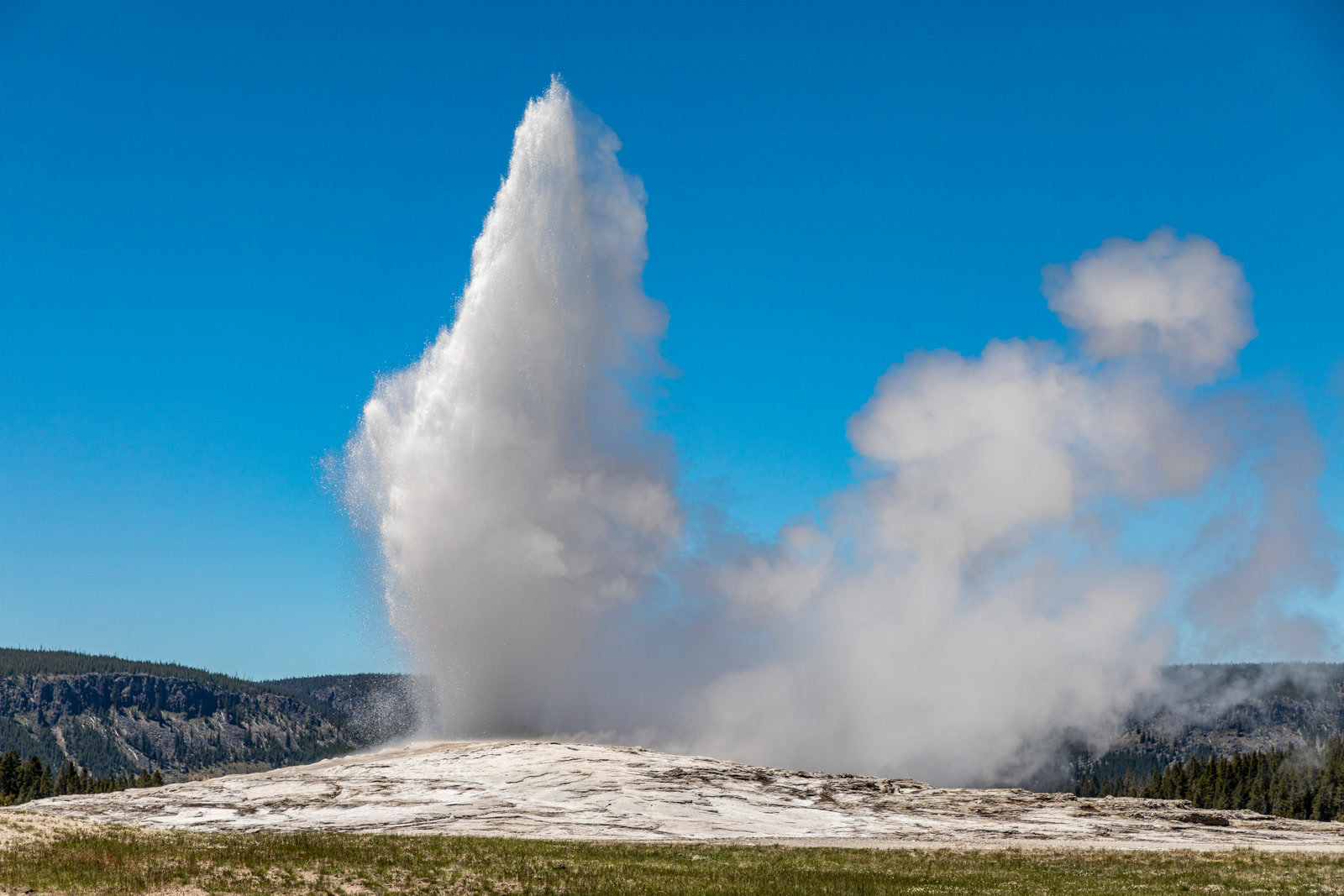
Do not leave after the eruption. The Upper Geyser Basin holds the largest concentration of geysers on Earth, and a flat boardwalk loop of about an hour takes you past steaming pools, rainbow-coloured hot springs and smaller geysers that erupt without warning. Morning is the best time: the steam hangs in the cold air and the crowds are still thin. Our Yellowstone itinerary maps out the canyon, the lake and the wildlife valleys in a sensible order. And Yellowstone is one of the 11 parks where the $100 nonresident surcharge applies, so do the maths on the annual pass before you arrive.
Spend a Free Day Among the Smithsonian Museums
Washington, D.C. is the best free day in America. The Smithsonian runs 21 museums plus the National Zoo, and admission is free at all of them. You cannot see them all in one day, so pick two: start with American History or Natural History, then cross the Mall to the museum that matches your mood — aviation and space, African American history, Native American art, or the Hirshhorn’s modern art.
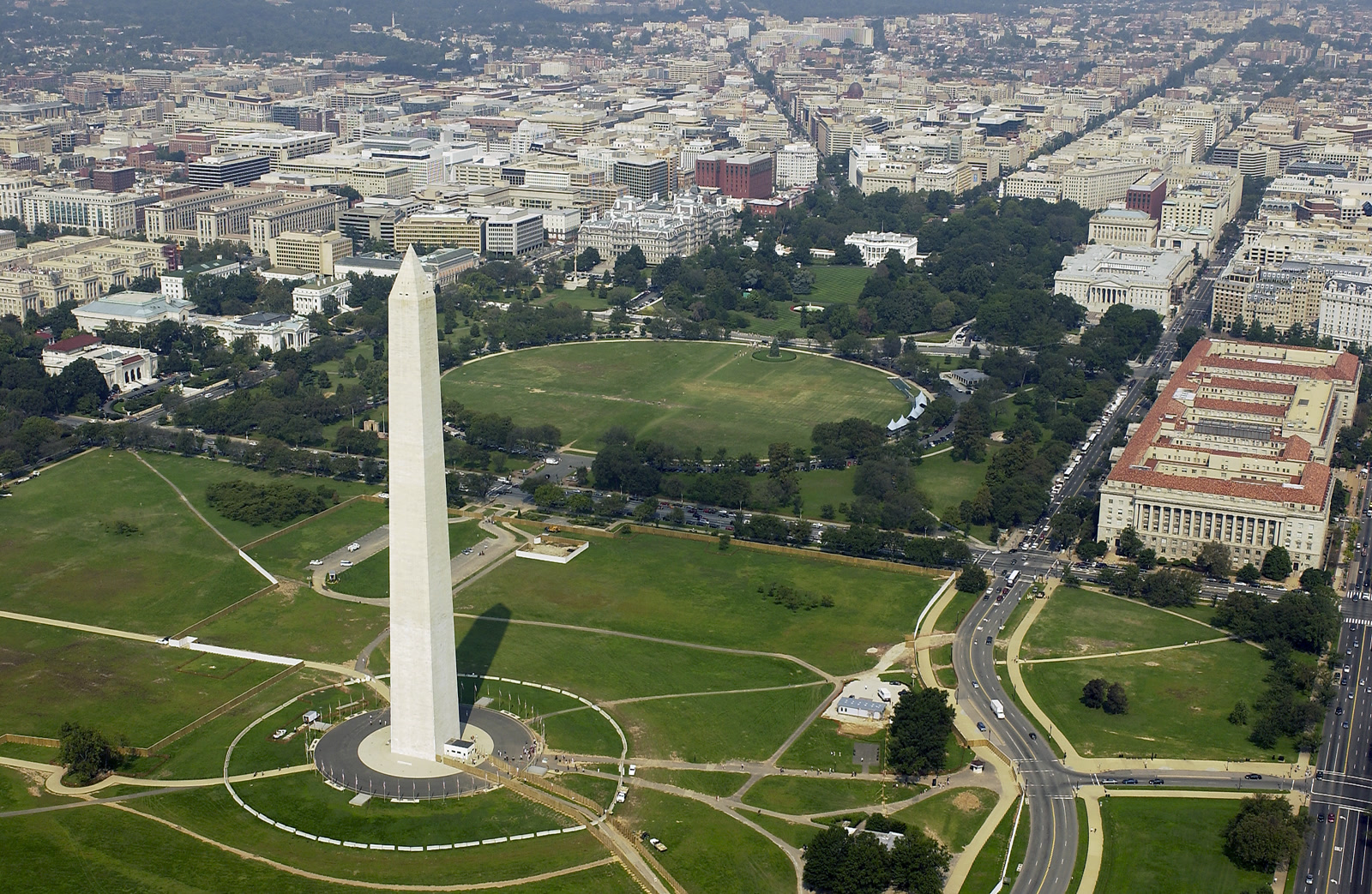
Two of the most popular museums ask you to book a free timed-entry pass in advance: the National Air and Space Museum and the National Museum of African American History and Culture. The passes cost nothing, but they sell out on busy days, so reserve them online at si.edu before you travel and check the current rules. Everything else on the Mall is walk-in. Between museums, the Mall itself is the attraction — the Washington Monument, the reflecting pool and the Lincoln Memorial. Come at dusk, when the monuments light up. 2026 is also America’s 250th birthday year, with celebrations across the country.
Eat Your Way Through New Orleans
New Orleans is the only American city where the food is the main attraction and the sightseeing comes second. The French Quarter is small enough to walk in an afternoon, and every block has something worth eating: gumbo thick with okra and sausage, a po’boy stuffed with fried shrimp, beignets buried in powdered sugar at a café table on the pavement. Do not plan this day around restaurants with white tablecloths. Plan it around the walk — a bowl of gumbo here, a sandwich there, a sweet finish somewhere else — and let the city feed you as you go.
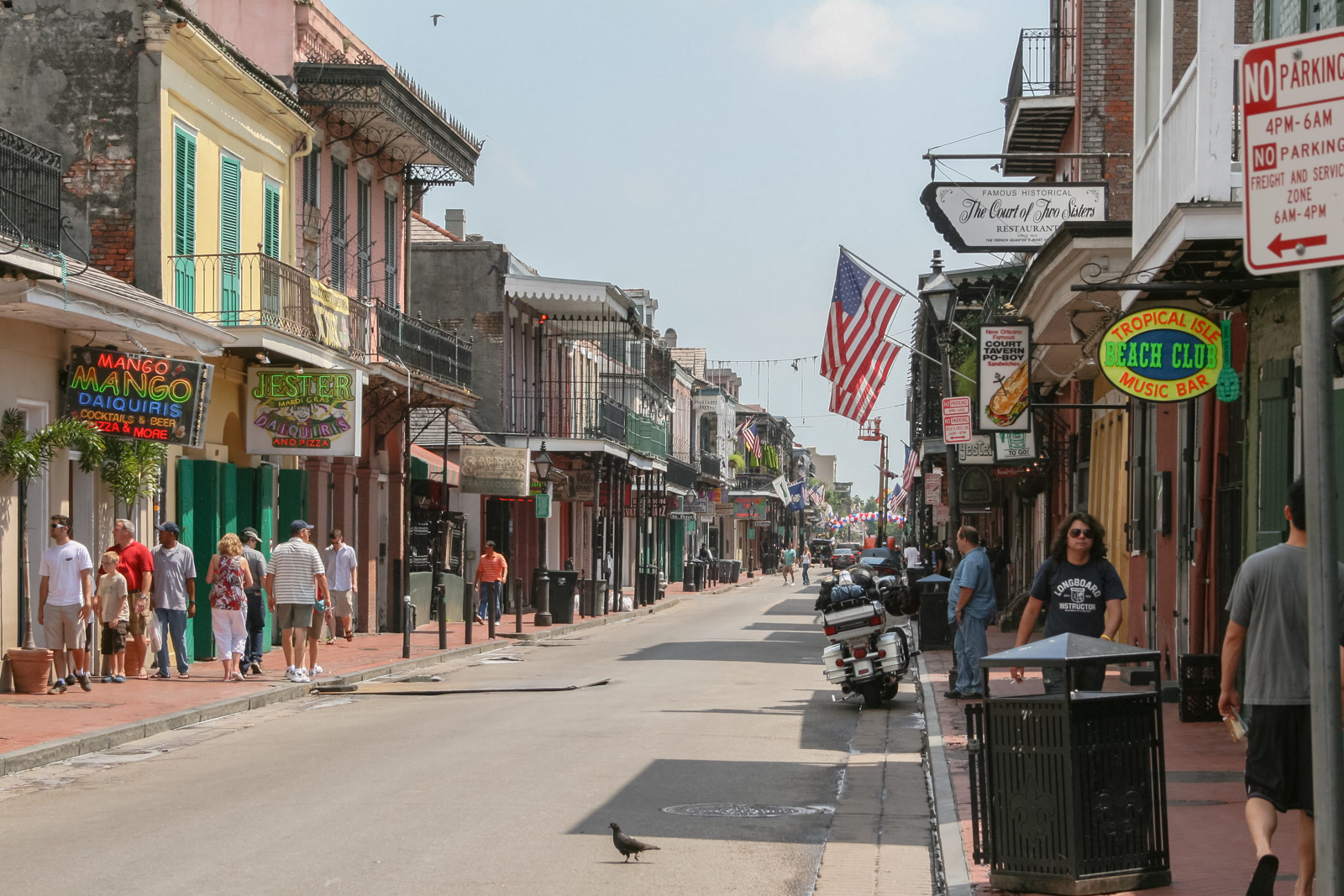
Bourbon Street itself is loud, crowded and worth about twenty minutes, ideally in daylight when you can actually see the balconies and the old buildings. The real New Orleans after dark is Frenchmen Street, a ten-minute walk away, where the music spills out of small clubs and the crowds are there for the bands, not the bars. Eat early and save room: the portions are generous. In summer, start early; the humidity is the one thing no guidebook can exaggerate.
Drive a Stretch of the Pacific Coast Highway
California’s Pacific Coast Highway is the most beautiful drive in the United States, and you do not need to drive all of it to understand why. The stretch between Carmel and Big Sur is enough: the road clings to cliffs above the ocean, the fog burns off by late morning, and every turnout seems designed for a photograph. Bixby Creek Bridge is the postcard stop, but the real joy is the slow driving itself — windows down, no schedule.
Start in Monterey or Carmel and drive south, so the ocean is on your right and the pullouts are easy to reach. Give it a full day even for a short stretch. At the northern end, San Francisco waits with the Golden Gate Bridge — 1.7 miles of orange-red steel across the entrance to the bay, free to walk, and best crossed on foot early in the morning. One planning note: Alcatraz Island is closed 26 October to 18 November 2026 for ferry-dock repairs, with tours scheduled to resume Thursday 19 November — a target date, so confirm with the ferry operator first. Our San Francisco itinerary has the current Alcatraz situation and the rest of the city in one place.
See a Show on Broadway — and Times Square at Midnight
Broadway is the one New York experience that lives up to its reputation. The theatres are small enough that there is barely a bad seat, the productions are the best in the world, and the feeling of sitting in a century-old theatre as the lights go down is something no recording can match. Book ahead for the big shows, but do not ignore the smaller ones — some of the best nights on Broadway are the plays and musicals you had never heard of. If the ticket you want is gone, the TKTS booth in Times Square sells same-day seats at a discount, and the queue is part of the ritual.
Then walk to Times Square and stay until midnight. The crowds are thinner, the neon brighter, and the square feels like the centre of the world for about ten minutes. For the daytime counterpoint, Central Park is ten minutes north: 843 acres (341 hectares) from 59th to 110th Street, and the best free reset button in the city.
Chase Waterfalls and Granite Walls in Yosemite
Yosemite Valley is the most beautiful square mile in the United States. Granite walls rise half a mile straight up on both sides — El Capitan on one side, Half Dome on the other — and waterfalls drop hundreds of feet from the cliffs between them. The first view, from Tunnel View as you come out of the road tunnel, is the one every photograph is trying to copy, and it still stops people in their tracks. Stand there for a while. Then drive down into the valley and walk.
Late spring is the best time, when the snowmelt is at its peak and Yosemite Falls and Bridalveil Fall run at full strength. By late summer the big falls thin to a trickle. The valley floor is flat and easy: a paved loop, meadows full of deer, and the Merced River running through the middle of it. The serious hiking is on the walls — the Mist Trail to Vernal Fall is the classic half-day climb, steep and wet and worth every step. Go early, carry water, and give the valley a full day at least.
Feel the Strip After Dark, Then Escape It by Morning
The Las Vegas Strip after dark is the most concentrated spectacle in America: four miles of neon, fountains, volcanoes and crowds, all free to walk. Go on foot, slowly, with no plan beyond looking — the Bellagio fountains, the volcano, the Eiffel Tower replica, the people-watching. Go inside the casinos even if you never gamble; the lobbies are part of the show. And then, crucially, escape it by morning.
The desert around Las Vegas is the antidote to the Strip. Red Rock Canyon is half an hour away and feels like another planet: red sandstone cliffs, a scenic drive, and walking trails that clear your head in an hour. Hoover Dam is forty-five minutes in the other direction, a concrete curve across the Colorado River that is still astonishing nearly a century after it was built. Either one makes a perfect morning after a late night, and both are the reason to stay a second day. Our Las Vegas itinerary pairs the Strip with the desert in a sensible two-day plan.
FAQ
What are the top 5 things to do in the USA for first-time visitors? The Grand Canyon at sunrise, the Brooklyn Bridge walk, Old Faithful in Yellowstone, a free day at the Smithsonian museums, and a Broadway show in New York.
What are the best free things to do in the USA? The Brooklyn Bridge walk, the Smithsonian museums, the National Mall, Central Park, the Strip on foot, the Golden Gate Bridge walk, and the Great Smoky Mountains, which charge no entrance fee.
How many days do you need for the USA? Seven days covers one coast properly; fourteen covers both coasts or one coast plus a national park. Do not try to see the whole country in a week — the distances are what every first-timer underestimates.
The United States rewards the traveller who picks a few things and does them properly. Start with the ten above, add from the table when you have more time, and leave something for the next trip — the canyon, the bridge and the geyser will still be there.